Are you ready to elevate your training and truly challenge your muscles? Heavy resistance bands are more than just elastic loops; they’re powerful tools designed to help you build serious strength, increase muscle mass, and add an exciting dimension to your fitness routine. Whether you’re a seasoned lifter looking for new ways to diversify your workouts or someone aiming to build a formidable home gym, understanding how to effectively use heavy resistance bands is a game-changer. This guide will dive deep into everything you need to know, transforming “Sức Mạnh Bền Bỉ” into your go-to resource for mastering these incredible pieces of equipment.
What Are Heavy Resistance Bands and Why the Buzz?
At their core, resistance bands are elastic loops used to apply tension during exercises. But when we talk about heavy resistance bands, we’re stepping into a different league. These are thicker, wider, and designed to provide a much greater force, often mimicking the resistance felt from free weights or machines. Their popularity isn’t just a fleeting trend; it’s rooted in their undeniable effectiveness and versatility. They offer a unique form of progressive resistance, meaning the tension increases as the band stretches, engaging your muscles differently than constant-weight exercises. This dynamic tension helps activate more muscle fibers, leading to enhanced strength and muscle growth.
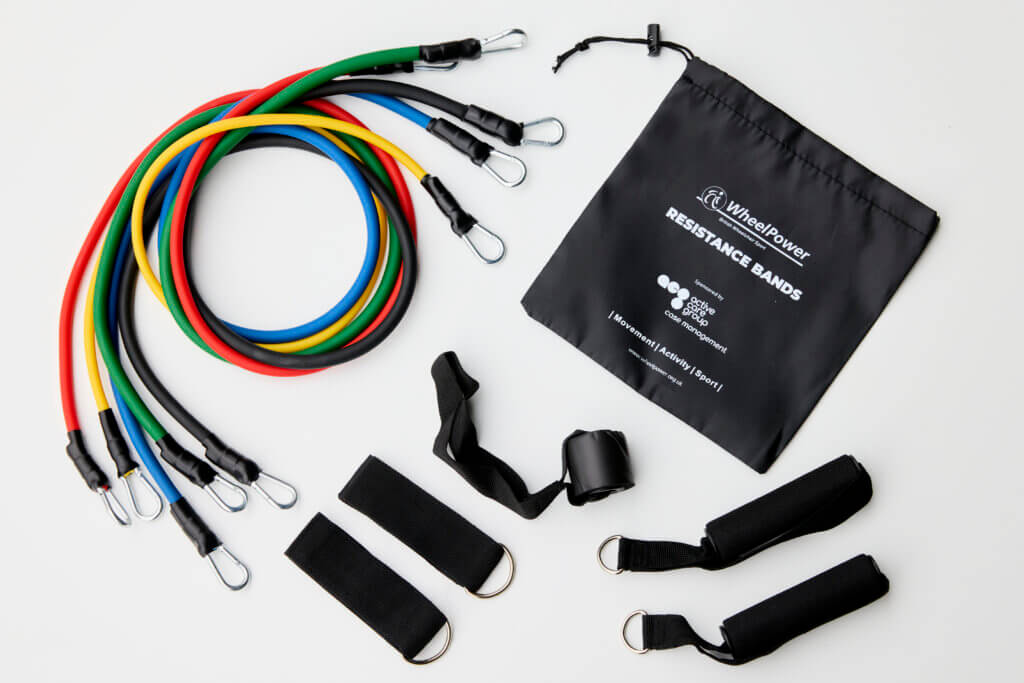
Heavy resistance bands are fantastic for a few key reasons: they are incredibly portable, making them perfect for on-the-go workouts or limited spaces; they are surprisingly affordable compared to traditional gym equipment; and they allow for a vast array of exercises that target nearly every muscle group, from explosive power movements to controlled, isolated lifts.
Picking Your Power Partner: Types and How to Choose the Right Heavy Resistance Band
When it comes to heavy resistance bands, you’ll primarily encounter large loop bands, often made of layered latex or rubber. These are the workhorses for serious strength training.
Types of Heavy Resistance Bands:
- Large Loop Bands: These are continuous loops, varying in width and thickness, which directly correlates to their resistance level. They are the most common type for heavy lifting, powerlifting accessory work, and full-body strength training. Their robust nature allows them to withstand significant force.
- Tube Bands with Handles: While some tube bands offer considerable resistance, the “heavy” designation usually refers to the loop bands due to their application in exercises like assisted pull-ups, deadlifts, and squats.
How to Choose the Right Heavy Band:
Selecting the perfect heavy resistance band depends on your current strength level, the specific exercise you plan to do, and your training goals. Bands are typically color-coded, with darker or wider bands indicating higher resistance.
- Start Smart: Don’t go too heavy too soon. If you’re new to heavy band training, begin with a band that allows you to complete 8-12 repetitions with good form. You should feel challenged, but not to the point of compromising your technique.
- Consider the Exercise: A band that’s perfect for assisted pull-ups might be too light for deadlifts or too heavy for bicep curls. Think about the muscle group and the range of motion required.
- Progressive Overload: As you get stronger, you’ll need to move up to a band with more resistance. Many people own a set of heavy resistance bands, ranging from medium-heavy to super-heavy, to accommodate different exercises and progression.
|
Our Picks for the Best Resistance Bands in 2026
As an Amazon Associate I earn from qualifying purchases.
|
||
| Num | Product | Action |
|---|---|---|
| 1 | Pull Up Assistance Bands, 5-Level Resistance Bands for Working Out, Pull Up Bands for Men & Women, Exercise Bands for Full-Body Training, Fitness, Physical Therapy, Stretch Workout Bands at Home, Gym |

|
| 2 | HPYGN Resistance Bands, Exercise Bands with Handles, Fitness Bands, Workout Bands with Door Anchor and Ankle Straps, for Heavy Resistance Training, Physical Therapy, Shape Body, Yoga, Home Workout Set |
|
| 3 | 2PCS Elastic Yoga Stretching Strap with Loops, Stretch Strap for Dance, Gymnastics Stretching Ballet Dance Bands, Adjustable Stretching-Bands, Multi-Loop Exercise Bands for Pilates, Latin and Yoga |
|
| 4 | SUNPOW Pull Up Assistance Bands - Set of 5 Resistance Heavy Duty Workout Exercise Stretch Fitness Bands Assist Set for Body, Instruction Guide and Carry Bag Included |
|
| 5 | Pull Up Bands, Resistance Bands, Pull Up Assistance Bands Set for Men & Women, Exercise Workout Bands for Working Out, Body Stretching, Physical Therapy, Muscle Training |
|
| 6 | WHATAFIT Resistance Bands, Exercise Bands,Resistance Bands for Working Out, Work Out Bands with Handles for Men and Women Fitness, Strength Training Home Gym Equipment |
|
| 7 | Multifunction Pedal Resistance Band with Handle, Upgraded Exercise Equipment with Soft Foot Pedal for Sit Up & Full-Body Home Gym Workouts, Core/ABS Training, Pilates, Yoga & Physical Therapy |
|
| 8 | LEEKEY Resistance Bands, Exercise Bands with Handles,Pull Up Assist Bands - Band Set with Door Anchor - Bands for Working Out,Band for Men and Women Fitness Training,Home Workouts |
|
| 9 | VEICK Resistance Bands, Exercise Bands, Workout Bands, Resistance Bands for Working Out with Handles for Men and Women, Exercising Bands for Fitness Weights Work Out at Home |
|
| 10 | Resistance Bands, Pull Up Assist Bands - Workout Bands, Eexercise Bands, Long Resistance Bands Set for Working Out, Fitness, Training, Physical Therapy for Men Women |
|
Unleash Your Strength: Effective Heavy Resistance Band Workouts
Heavy resistance bands can replicate many gym exercises, offering a potent alternative or supplement to free weights. Here are some powerhouse moves for various muscle groups:
Legs & Glutes
- Band-Resisted Squats: Loop a heavy band over your shoulders or under your feet and over your head. As you stand up from the squat, the band pulls you down, forcing your glutes and quads to work harder.
- Band Deadlifts: Stand on the middle of a heavy band, loop the ends over your hands (or use handles if available), and perform deadlifts. This provides excellent resistance, particularly at the top of the movement.
- Band Hip Thrusts: Place a heavy band across your hips while lying on your back with knees bent. Push your hips up, squeezing your glutes at the top. This is phenomenal for glute activation and strength.
- Band Leg Press (lying): Loop a heavy band around your feet and anchor the other end securely. Lie on your back and extend your legs against the resistance.
Upper Body
- Assisted Pull-Ups: Loop a heavy band around the pull-up bar and place your knee or foot into the loop. The band assists you through the movement, allowing you to perform more reps or perfect your form.
- Band Rows: Anchor a heavy band to a sturdy object (like a pole or door anchor). Grab the ends and pull them towards your torso, squeezing your shoulder blades together.
- Band Push-Ups: Place a heavy band across your upper back, looping the ends under your hands. The band pushes you down, increasing the resistance during your push-up.
- Band Overhead Press: Stand on the band, holding the ends at shoulder height. Press overhead, feeling the increasing resistance as you extend your arms.
Core
- Band-Resisted Planks: Loop a band around your feet and over your shoulders or lower back. The band tries to pull your body out of alignment, forcing your core to work harder to stabilize.
- Band Rotations (Pallof Press): Anchor a heavy band to your side at chest height. Hold the band with both hands and press it straight out in front of you, resisting the band’s pull to rotate your torso.
Maximize Your Gains and Stay Safe: Pro Tips for Heavy Band Training
To get the most out of your heavy resistance bands and keep injuries at bay, remember these essential tips:
- Focus on Form First: Always prioritize proper technique over resistance. A heavy band can exacerbate poor form, leading to injury. If your form breaks down, use a lighter band.
- Control the Movement: Heavy resistance bands provide tension both on the concentric (lifting) and eccentric (lowering) phases of an exercise. Control the resistance throughout the entire range of motion, especially on the eccentric part, for maximum muscle engagement.
- Progressive Overload is Key: Just like with weights, you need to continually challenge your muscles. Once an exercise feels too easy, move to a heavier band, increase reps, or slow down the tempo.
- Warm-Up Adequately: Always perform a dynamic warm-up before using heavy resistance bands to prepare your muscles and joints.
- Check Your Bands: Before each use, inspect your bands for any nicks, tears, or signs of wear. A broken band can snap back and cause injury.
- Anchor Securely: When anchoring bands, ensure the anchor point is stable and will not move or break.
Beyond Brawn: The Health and Fitness Benefits of Heavy Resistance Band Training
The advantages of incorporating heavy resistance bands into your routine extend far beyond just building big muscles. They offer a holistic approach to fitness and well-being.
- Superior Muscle Activation: The variable resistance means muscles work harder at different points of a movement, leading to greater muscle fiber recruitment.
- Joint-Friendly: Unlike heavy free weights, bands put less direct stress on your joints, making them an excellent option for those with joint pain or during rehabilitation.
- Enhanced Stability and Balance: Many band exercises require greater stabilization, improving your balance and overall proprioception.
- Portable Powerhouse: Their compact size makes them ideal for travel, outdoor workouts, or fitting a full-body session into a small space at home.
- Cost-Effective: Achieve significant strength gains without investing in expensive gym memberships or bulky equipment.
- Versatility: From strength training to mobility work, powerlifting warm-ups, and rehabilitation exercises, heavy bands are incredibly adaptable.
- Supports Functional Movement: Band exercises often mimic natural movement patterns, translating into better functional strength for daily activities.
“Heavy resistance bands are incredible for challenging your muscles in new ways, especially for building explosive power and improving strength curves,” says Dr. Anya Sharma, a certified strength and conditioning specialist. “Their progressive tension can lead to remarkable gains for both beginners and advanced athletes.”
Seamlessly Strong: Integrating Heavy Resistance Bands into Your Daily Routine
Making heavy resistance bands a consistent part of your fitness journey is simpler than you might think. Their adaptability allows for flexible integration, no matter your schedule or location.
- Dedicated Band Workouts: Designate specific days for full-body heavy resistance band workouts. This can be your primary form of resistance training or an additional session to complement weightlifting.
- Gym Warm-Ups and Finishers: Use heavy bands for dynamic warm-ups to activate muscles before lifting, or as a finisher after your main workout to completely fatigue a muscle group.
- Travel Companion: Never miss a workout while on the road. A heavy resistance band takes up minimal space and allows you to maintain your strength routine anywhere.
- Active Recovery: Lighter resistance bands can be used for mobility and stretching, but even heavy bands can be used for controlled, lighter movements to aid in recovery.
- Home Gym Essential: If you’re building a home gym, heavy resistance bands are an absolute must-have, offering a vast array of exercises without needing a lot of space.
- Accessory Work: Integrate them into your weightlifting routine as accessory exercises to target specific muscles or improve weak points that free weights might miss. For example, use a heavy band for glute activation before squats.
Frequently Asked Questions
Are heavy resistance bands good for building muscle?
Absolutely! Heavy resistance bands provide significant tension that can effectively challenge your muscles, leading to hypertrophy (muscle growth) and increased strength, especially when used with proper form and progressive overload.
What’s the difference between heavy and light resistance bands?
Heavy resistance bands are much thicker, wider, and made of denser material, offering substantially more tension. Light bands are thinner and provide less resistance, often used for rehabilitation, warm-ups, or lighter toning exercises.
How do I know what resistance level to choose?
Start with a heavy band that allows you to perform 8-12 repetitions of your chosen exercise with good form, feeling challenged by the last few reps. If you can easily do more, go heavier. If your form breaks down, go lighter.
Can I replace weights with heavy resistance bands?
For many exercises, heavy resistance bands can effectively replace or supplement weights, offering a unique training stimulus. While they may not fully replicate the maximum load of barbells for powerlifting, they are excellent for strength building, muscle endurance, and functional training.
How often should I train with heavy bands?
You can train with heavy resistance bands 3-5 times a week, ensuring you allow adequate rest for muscle recovery, especially if you are targeting the same muscle groups. Listen to your body and adjust your frequency as needed.
Embrace the Power of Heavy Resistance Bands
Heavy resistance bands are a phenomenal asset to any fitness regimen. They are not merely an alternative to weights but a powerful tool in their own right, offering unique benefits for strength, muscle growth, and overall fitness. By understanding their potential and applying the techniques outlined here, you can unlock new levels of strength, flexibility, and performance. We encourage you to try integrating heavy resistance bands into your routine. Experience the challenge, feel the gains, and share your journey as “Sức Mạnh Bền Bỉ” continues to grow as your ultimate resource for enduring strength.