Are you looking to build muscle, sculpt your physique, and achieve your fitness goals without a gym full of heavy weights? Then it’s time to discover the power of the best resistance bands for building muscle. Often underestimated, these versatile tools are far more than just for rehabilitation; they’re a game-changer for anyone serious about getting stronger and seeing real gains. Whether you’re a seasoned lifter or just starting your fitness journey, resistance bands offer a flexible, effective, and convenient way to challenge your muscles, promote growth, and transform your body right from the comfort of your home or while traveling. Get ready to unlock new levels of strength and reshape your fitness routine with these incredible elastic allies.
What Are Resistance Bands and Why Are They Popular for Muscle Building?
At their core, resistance bands are elastic straps designed to create tension, which your muscles must work against. Unlike traditional free weights that rely solely on gravity, bands provide a unique form of progressive resistance: the further you stretch them, the more challenging the exercise becomes. This constant tension throughout the entire range of motion is incredibly effective for stimulating muscle fibers and promoting hypertrophy (muscle growth).
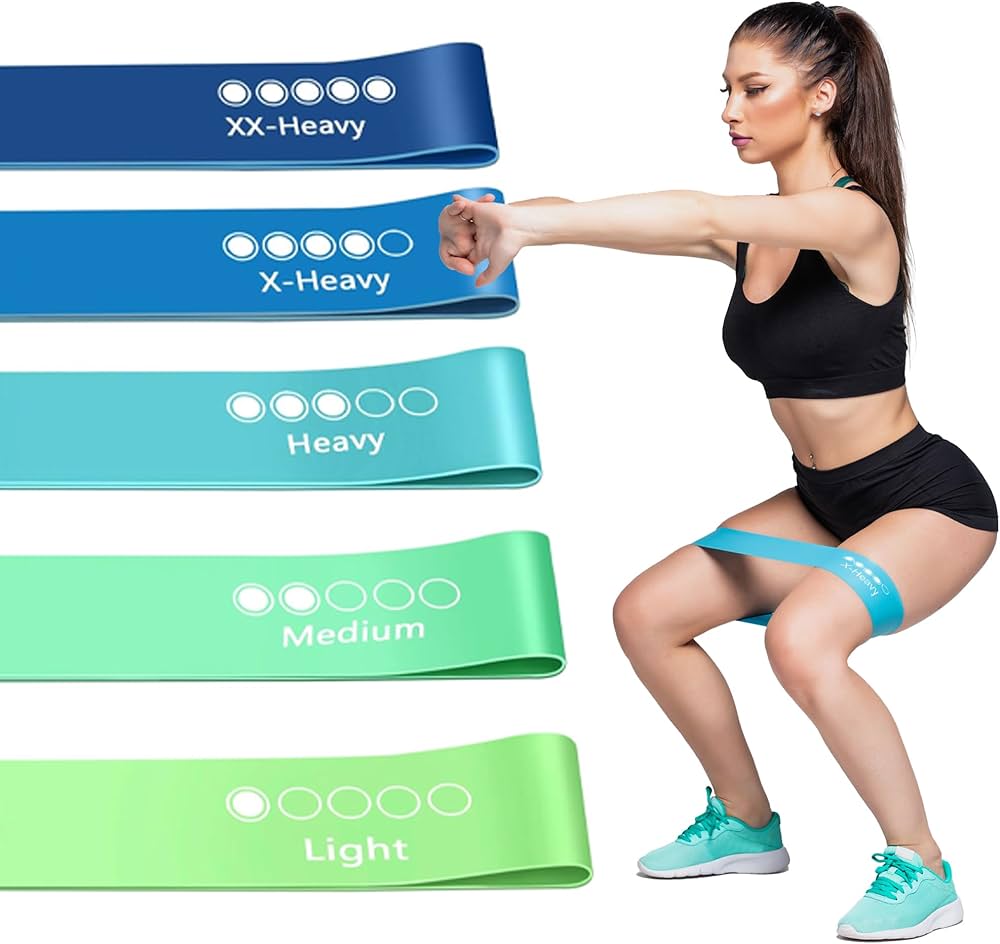
But why have they surged in popularity for muscle building specifically? It boils down to a few key advantages:
- Portability: They’re lightweight and compact, making them perfect for home workouts, travel, or even sneaking in a quick session at the office.
- Affordability: Compared to a full set of dumbbells or gym membership fees, resistance bands are incredibly budget-friendly.
- Joint-Friendly: The accommodating resistance means less stress on your joints than static heavy weights, making them ideal for individuals with joint sensitivities or those looking for a safer way to lift.
- Versatility: A single set can be used for a full-body workout, targeting every major muscle group with endless exercise variations.
Many once believed resistance bands were only for warm-ups or physical therapy, but modern fitness science confirms their efficacy in building substantial muscle. As Dr. Anya Sharma, a certified strength and conditioning specialist, often says, “Your muscles don’t distinguish between a heavy dumbbell and significant band tension. They respond to resistance, and resistance bands deliver that in spades for muscle growth and strength development.”
Different Types of Resistance Bands and How to Choose the Right Ones for Muscle Growth
The world of resistance bands can seem a bit overwhelming at first glance, with various shapes, sizes, and materials. However, understanding the main types will help you select the best resistance bands for building muscle tailored to your specific needs.
Here’s a breakdown of the most common types and their ideal uses for muscle growth:
| Band Type | Description | Ideal for Muscle Building | Pros | Cons |
|---|---|---|---|---|
| Loop/Power Bands | Long, continuous loops, often thick and wide. | Compound movements like squats, deadlifts, presses; assisted pull-ups. Full-body strength. | High resistance levels, highly versatile. | Can be bulky, may roll/pinch on skin if thin. |
| Mini Bands | Smaller, shorter loops; typically fabric or latex. | Glute activation, hip stability, lower body exercises (squats, lateral walks, clam shells). | Excellent for lower body isolation, portable. | Lower max resistance, primarily for accessory work. |
| Tube Bands | Elastic tubes with handles at each end, often with anchors. | Upper body isolation (curls, extensions, presses, rows); mimic cable machine exercises. | Comfortable grip, easy anchoring. | Less resistance for compound leg movements. |
| Flat Bands | Wide, thin strips of latex. | Stretching, mobility, lighter resistance exercises; often used in therapy. | Very portable, good for warm-ups. | Not ideal for heavy muscle building due to lower resistance. |
Num
Product
Action
1
WHATAFIT Resistance Bands, Exercise Bands,Resistance Bands for Working Out, Work Out Bands with Handles for Men and Women Fitness, Strength Training Home Gym Equipment

2
2PCS Elastic Yoga Stretching Strap with Loops, Stretch Strap for Dance, Gymnastics Stretching Ballet Dance Bands, Adjustable Stretching-Bands, Multi-Loop Exercise Bands for Pilates, Latin and Yoga
3
SUNPOW Pull Up Assistance Bands - Set of 5 Resistance Heavy Duty Workout Exercise Stretch Fitness Bands Assist Set for Body, Instruction Guide and Carry Bag Included
4
Multifunction Pedal Resistance Band with Handle, Upgraded Exercise Equipment with Soft Foot Pedal for Sit Up & Full-Body Home Gym Workouts, Core/ABS Training, Pilates, Yoga & Physical Therapy
5
VEICK Resistance Bands, Exercise Bands, Workout Bands, Resistance Bands for Working Out with Handles for Men and Women, Exercising Bands for Fitness Weights Work Out at Home
6
Pull Up Bands, Resistance Bands, Pull Up Assistance Bands Set for Men & Women, Exercise Workout Bands for Working Out, Body Stretching, Physical Therapy, Muscle Training
7
LEEKEY Resistance Bands, Exercise Bands with Handles,Pull Up Assist Bands - Band Set with Door Anchor - Bands for Working Out,Band for Men and Women Fitness Training,Home Workouts
8
Resistance Bands, Pull Up Assist Bands - Workout Bands, Eexercise Bands, Long Resistance Bands Set for Working Out, Fitness, Training, Physical Therapy for Men Women
9
HPYGN Resistance Bands, Exercise Bands with Handles, Fitness Bands, Workout Bands with Door Anchor and Ankle Straps, for Heavy Resistance Training, Physical Therapy, Shape Body, Yoga, Home Workout Set
10
Pull Up Assistance Bands, 5-Level Resistance Bands for Working Out, Pull Up Bands for Men & Women, Exercise Bands for Full-Body Training, Fitness, Physical Therapy, Stretch Workout Bands at Home, Gym
When choosing your bands, consider:
- Resistance Levels: Bands are usually color-coded, but resistance levels vary widely between brands. Always check the stated weight equivalents or difficulty ratings (light, medium, heavy, X-heavy) rather than just relying on color. To build muscle, you’ll need a range of resistances to allow for progressive overload.
- Material: Latex bands offer excellent elasticity and are great for explosive movements and upper body work. Fabric bands, especially for mini bands, are incredibly comfortable, don’t roll or pinch, and are fantastic for lower body exercises.
- Durability: Look for high-quality natural latex or strong, woven fabric. Inspect bands for any signs of wear and tear regularly to prevent snapping during a workout. Investing in a reputable brand often means better longevity.
- Your Goals: If you’re focusing on glutes, a set of fabric mini bands is essential. For full-body strength and compound lifts, larger loop bands are your go-to. Tube bands are superb for upper body definition. A comprehensive set that includes a mix is often the best resistance bands for building muscle for all-around development.
Effective Resistance Band Exercises for Various Muscle Groups
Ready to put those bands to work? Here are some highly effective exercises using the best resistance bands for building muscle across your entire body. Remember, focus on slow, controlled movements and feeling the muscle work.
Sculpt Your Upper Body
For a powerful chest:
- Banded Push-ups: Loop a power band across your upper back, holding each end under your hands. Perform push-ups as usual, pressing against the added resistance. This makes a classic bodyweight exercise much more challenging.
- Standing Chest Press: Anchor a tube band behind you at chest height. Hold the handles with your palms down and press forward, squeezing your chest at the peak.
Build a strong back:
- Seated Rows: Sit on the floor with legs extended, loop a power band around your feet. Hold the ends of the band and pull them towards your waist, squeezing your shoulder blades together.
- Lat Pulldowns: Anchor a power band overhead. Kneel or sit facing the anchor and pull the band down towards your shoulders, engaging your lats.
Define your arms:
- Bicep Curls: Stand on the middle of a tube or loop band with one foot. Hold the handle (or the end of the loop band) and curl your hand towards your shoulder, keeping your elbow tucked.
- Tricep Extensions (Overhead): Hold a tube or loop band with one hand behind your head, elbow pointing up. Grab the other end with your working hand and extend your arm overhead, straightening your elbow.
Strengthen your shoulders:
- Overhead Press: Stand on a loop or tube band. Hold the ends at shoulder height and press them directly overhead, engaging your deltoids.
- Lateral Raises: Stand on a loop or tube band, holding one end in each hand. Keep your arms straight and raise them out to the sides until they reach shoulder height.
Strengthen Your Lower Body and Core
For powerful legs and glutes:
- Banded Squats: Place a loop band above your knees or use a power band across your shoulders. Squat down, focusing on pushing your knees out against the band.
- Glute Bridges: Lie on your back with a mini band above your knees. Drive your hips up, squeezing your glutes and pushing your knees out.
- Lateral Band Walks: Place a mini band above your knees or ankles. Step side-to-side in a low squat position, maintaining tension on the band.
- Hamstring Curls (Standing): Anchor a tube band low to the ground. Loop the handle around your ankle and curl your heel towards your glutes.
Solidify your core:
- Banded Crunches: Lie on your back, anchor a tube band overhead. Hold the handles and perform crunches, resisting the band as you curl up.
- Pallof Press: Anchor a tube band to your side at chest height. Stand perpendicular to the anchor, hold the handle with both hands, and press the band straight out, resisting rotation.
Tips to Maximize Your Resistance Band Workouts and Avoid Injury
To truly get the best resistance bands for building muscle and ensure safe, effective workouts, keep these tips in mind:
- Progressive Overload is King: Just like with weights, your muscles need increasing challenge to grow. Gradually increase band resistance, reps, sets, or decrease rest time between sets. You can also combine bands for even greater tension.
- Focus on Time Under Tension: Don’t just snap the band back and forth. Control both the concentric (lifting) and eccentric (lowering) phases of each exercise. A slower, controlled movement will maximize muscle activation.
- Mind-Muscle Connection: Consciously contract the target muscle throughout the exercise. Really feel the muscle working, which can be easier with the continuous tension bands provide.
- Prioritize Proper Form: Good form prevents injury and ensures the correct muscles are working. If you can’t maintain form, reduce the resistance.
- Warm-up and Cool-down: Always start with a dynamic warm-up and finish with a gentle cool-down and stretches. This prepares your body and aids recovery.
- Inspect Your Bands: Before each workout, quickly check your bands for nicks, tears, or weaknesses. A damaged band can snap, causing injury. Replace worn bands immediately.
The Undeniable Benefits of Resistance Band Training for Overall Health and Fitness
Beyond building impressive muscle, integrating the best resistance bands for building muscle into your routine offers a wealth of benefits for your overall health and fitness. They are a fantastic tool for:
- Enhanced Joint Health: The accommodating resistance places less strain on joints, making them a superb option for individuals recovering from injuries or those with joint pain.
- Improved Flexibility and Mobility: Bands can be used in dynamic stretches and mobility drills, helping to increase your range of motion and prevent stiffness.
- Increased Functional Strength: Resistance band exercises often mimic real-life movements, building practical strength that translates to everyday activities.
- Better Balance and Stability: Many exercises require you to stabilize your body against the band’s pull, improving core strength and overall balance.
- Convenience and Consistency: With bands, there are no excuses. You can work out anywhere, anytime, fostering a more consistent fitness habit.
Integrating Resistance Bands into Your Daily Workout Routine
One of the greatest strengths of resistance bands is their versatility in fitting into any fitness regimen.
- Standalone Workouts: Design full-body or split routines using only bands for a challenging and effective workout at home or on the go.
- Complementing Free Weights: Add bands to barbell or dumbbell exercises to introduce accommodating resistance, making the top portion of a lift more challenging where the muscle is strongest. For example, loop bands around a barbell during squats or bench presses.
- Warm-ups and Activations: Use mini bands to activate glutes before a leg workout or light loop bands for dynamic shoulder warm-ups.
- Finisher Sets: Incorporate band exercises at the end of a workout to fully exhaust a muscle group and push it to its limit.
- Rehabilitation and Prehabilitation: Gentle band exercises can aid in recovery from injury or help strengthen weak areas to prevent future issues.
Frequently Asked Questions About Resistance Bands and Muscle Building
Q1: Can resistance bands really build muscle mass effectively?
Yes, absolutely! Resistance bands are highly effective for building muscle mass. Muscles respond to tension and progressive overload, both of which bands provide. By consistently increasing the resistance, repetitions, or sets, you can challenge your muscles enough to stimulate growth, similar to how free weights work.
Q2: How heavy should my resistance bands be for muscle building?
To build muscle, you’ll need bands that provide sufficient resistance to challenge you within an 8-15 rep range. Beginners might start with lighter bands, while advanced lifters will need heavy to extra-heavy bands, or even combine multiple bands, to achieve adequate tension. It’s best to have a set with varying resistances.
Q3: Are fabric or latex bands better for muscle growth?
Both fabric and latex bands can be excellent for muscle growth, but they excel in different areas. Fabric bands are often preferred for lower body exercises because they are more comfortable, don’t roll up, and offer good resistance for glute and hip work. Latex bands offer greater stretch and are very versatile for both upper and lower body exercises, particularly for explosive movements.
Q4: How often should I train with resistance bands to build muscle?
For optimal muscle growth, aim to train each major muscle group 2-3 times per week, allowing for adequate rest and recovery between sessions. This can be achieved through full-body resistance band workouts a few times a week or by splitting your routine to target different muscle groups on separate days.
Q5: Can beginners use resistance bands for strength training?
Yes, resistance bands are fantastic for beginners! They allow you to start with lighter, more controlled resistance, helping you learn proper form and build a mind-muscle connection without the intimidation or high impact of heavy weights. As you get stronger, you can easily progress to heavier bands.
Conclusion
Resistance bands are undoubtedly one of the most underrated yet powerful tools in the fitness world. By choosing the best resistance bands for building muscle and incorporating them strategically into your routine, you can achieve incredible strength, definition, and overall fitness, all with unparalleled convenience. Don’t let their simple appearance fool you; these elastic allies provide a formidable challenge that can transform your body and elevate your training. So, grab a set, experiment with the vast array of exercises, and experience firsthand the incredible benefits of resistance band training. Your journey to a stronger, more resilient physique starts now!