Feeling like your workouts are stuck in a rut? Or perhaps you’re on the hunt for a fitness tool that’s as versatile as it is effective, fitting seamlessly into your busy life? Look no further than PTP resistance bands. These incredible pieces of equipment have revolutionized how we approach strength training, offering a portable and powerful solution for everyone, from fitness beginners to seasoned athletes. Whether you’re looking to tone up, build muscle, improve flexibility, or support injury recovery, PTP resistance bands provide a dynamic way to challenge your body and achieve your fitness goals without needing a full gym setup.
What are PTP Resistance Bands and Why are They So Popular?
PTP resistance bands are essentially elastic bands made from high-quality latex, designed to create resistance when stretched. This resistance engages your muscles, mimicking the effect of weights but with a continuous tension that can be highly beneficial for muscle activation and growth. Why the hype? It’s simple: their portability, affordability, and incredible versatility make them a go-to choice for anyone serious about fitness. Unlike bulky free weights or machines, PTP resistance bands can be packed into a small bag, making them perfect for home workouts, travel, or even sneaking in a quick session at the office. They offer variable resistance, meaning the tension increases the further you stretch them, providing a unique challenge that traditional weights can’t always replicate.
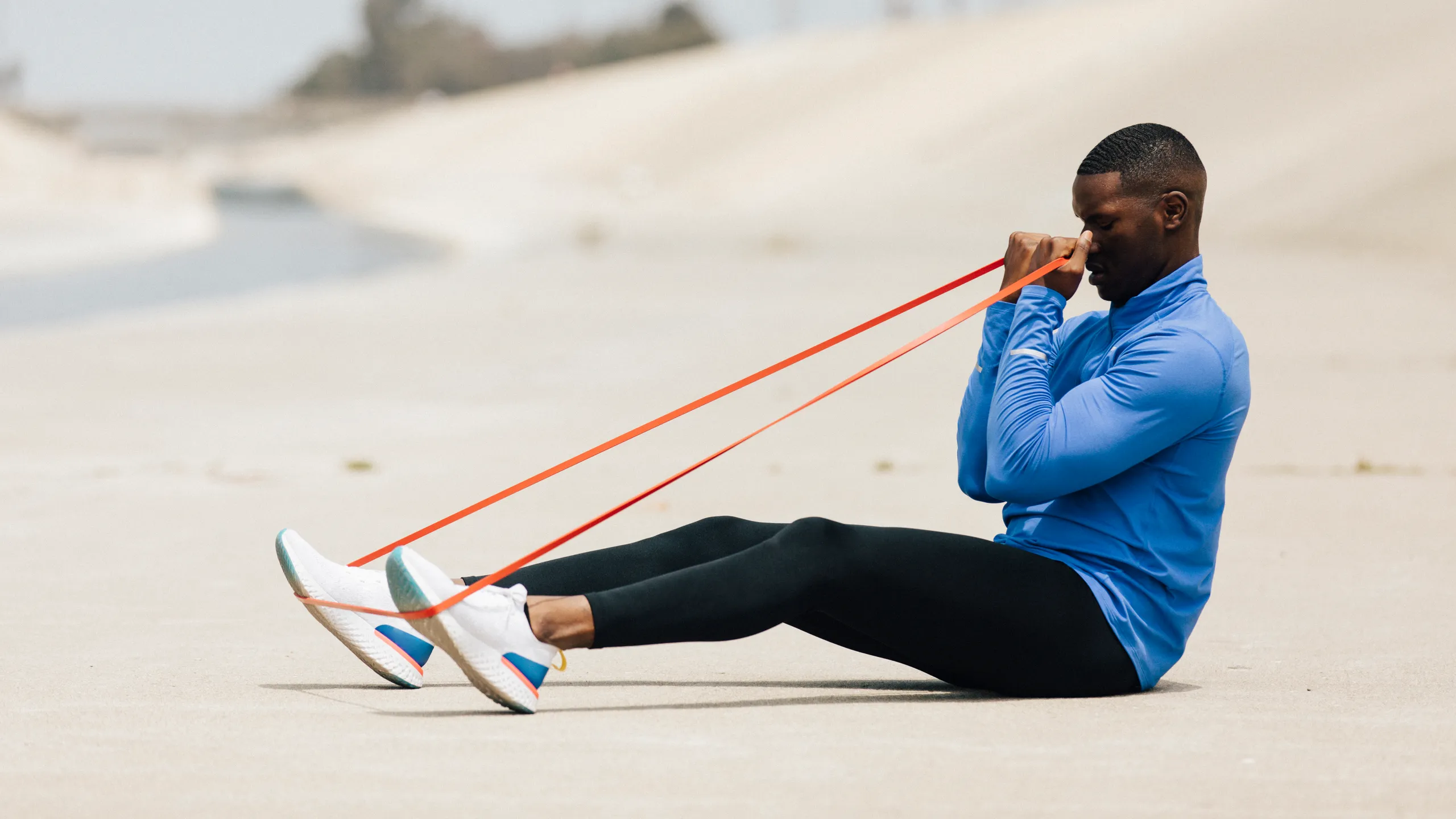
Different Types of PTP Resistance Bands and How to Choose the Right One
PTP offers a diverse range of resistance bands, each designed for specific purposes and muscle groups. Understanding the differences will help you select the perfect tools for your fitness journey.
- Microbands & MicrobandXs: These are smaller, looped bands specifically crafted to activate and sculpt your glutes and legs. They come in various resistance levels, from ultra-light to ultimate, making them ideal for lower body workouts, warm-ups, and targeted muscle activation.
- Medibands: Adaptable and versatile, Medibands are flat, longer bands that can be used for a wide range of exercises. They’re excellent for full-body workouts, stretching, mobility work, and rehabilitation, offering adaptable resistance to suit any space.
- Superbands: A dynamic, larger loop option, Superbands are perfect for assisted pull-ups, resistance training for major muscle groups, and adding variety to your routine. They provide significant resistance and are durable for intense training.
- Powertubes: These are tube-style resistance bands often equipped with handles or carabiners, designed for more traditional strength training exercises. PTP Powertubes come in different resistance levels (e.g., Ultra Light, Light, Medium, Heavy) and can be anchored to doors or other objects for multi-directional resistance, making them ideal for bicep curls, rows, and chest presses.
Choosing the right PTP resistance bands depends on your fitness level and goals. Beginners might start with ultra-light or light bands for stretching and low-impact workouts, while intermediate users can progress to medium bands for strength training. Heavy or ultimate PTP resistance bands are designed for advanced workouts, challenging strength and endurance. Many users benefit from owning a set with varying resistance levels to accommodate different exercises and progressive overload.
Effective Exercises with PTP Resistance Bands for Different Muscle Groups
One of the greatest strengths of PTP resistance bands is their ability to target nearly every muscle group effectively. Here are some staple exercises to get you started:
Upper Body Exercises
- Standing Chest Press:
- How to do it: Attach a PTP Powertube to a door anchor behind you at chest height. Hold the handles with palms facing down, step forward into a split stance (one foot in front of the other), chest up, and press the handles straight out in front of you. Control the movement as you bring your hands back.
- Why it works: This exercise effectively mimics a dumbbell chest press, engaging your pectoral muscles, shoulders, and triceps.
- Bicep Curls:
- How to do it: Stand on the middle of a PTP Powertube with both feet, holding a handle in each hand, palms facing forward. Keeping your elbows tucked in, curl your hands up towards your shoulders. Slowly lower them back down.
- Why it works: It’s a classic for building bicep strength and definition, offering constant tension throughout the movement.
- Lateral Raises:
- How to do it: Stand in the center of a PTP Powertube or loop band. Hold the ends or loops, with your hands by your sides. Keeping your arms mostly straight, raise them out to the sides until they are parallel with the floor. Slowly lower.
- Why it works: Excellent for sculpting your shoulders and improving upper body width. You might need a lighter resistance PTP band for this one!
Lower Body Exercises
- Squats:
- How to do it: Step inside a PTP Superband, bringing it up over your shoulders, or stand on a Powertube with the handles resting on your shoulders. With feet hip-width apart, perform a deep squat, focusing on pushing your hips back as if sitting in a chair. Power back up through your heels.
- Why it works: A fundamental exercise for glutes, quadriceps, and hamstrings, enhanced by the constant resistance.
- Lunges:
- How to do it: Place the middle of a PTP Powertube under your front foot. Hold the handles with your hands by your shoulders. Step one foot back into a lunge position, dropping your back knee towards the ground. Push through your front heel to return to the starting position.
- Why it works: Great for targeting each leg individually, building strength and balance in your quads, hamstrings, and glutes.
- Glute Kickbacks (with Microband):
- How to do it: Place a PTP Microband around your ankles. Get on all fours, keeping your core engaged. Extend one leg straight back, squeezing your glute at the top. Slowly bring it back down.
- Why it works: Highly effective for isolating and strengthening the glute muscles.
Core Exercises
- Plank with Resistance:
- How to do it: Place a PTP Microband around your ankles or just above your knees. Get into a standard plank position, keeping your body in a straight line. The band will add extra resistance, forcing your core and hip stabilizers to work harder.
- Why it works: Elevates a traditional plank, increasing core and hip stability.
Tips to Maximize Workout Effectiveness and Prevent Injuries
To get the most out of your PTP resistance bands and stay safe, keep these tips in mind:
- Focus on Form: Always prioritize proper technique over resistance level. Incorrect form can lead to injury and reduce the effectiveness of the exercise. If you’re unsure, watch PTP’s video tutorials or consult a fitness professional.
- Progressive Overload: As you get stronger, gradually increase the resistance of your PTP bands. This could mean moving to a heavier band, combining bands, or increasing repetitions and sets.
- Control the Movement: Resistance bands provide tension in both directions. Don’t just let the band snap back; control the eccentric (lowering) phase of each exercise to maximize muscle engagement.
- Warm-Up and Cool-Down: Always start with a light warm-up to prepare your muscles and end with a cool-down, including stretching, to improve flexibility and aid recovery.
- Check Your Bands: Before each workout, quickly inspect your PTP resistance bands for any signs of wear, tears, or damage. Replace them if they show significant deterioration to prevent snapping during use. PTP bands with inner core technology offer enhanced safety, but vigilance is still key.
Benefits of Training with PTP Resistance Bands for Health and Fitness
Incorporating PTP resistance bands into your routine offers a plethora of benefits for your overall health and fitness.
- Enhanced Muscle Strength and Tone: PTP resistance bands provide continuous tension, which effectively challenges your muscles throughout the entire range of motion, leading to improved strength and definition. This is similar to traditional weight training, with studies showing comparable strength gains.
- Improved Posture: By strengthening core, back, and shoulder muscles, PTP resistance band exercises help combat the negative effects of prolonged sitting and promote better spinal alignment.
- Increased Muscle Endurance: Regular training with PTP resistance bands helps your muscles work longer without fatigue, improving stamina for daily activities and other sports.
- Joint-Friendly Workouts: The variable resistance nature of PTP resistance bands places less strain on your joints compared to free weights, making them excellent for individuals recovering from injuries or those with joint sensitivities. This progressive resistance allows for gradual strengthening without excessive impact.
- Boosted Mental Health: Engaging in any form of physical activity releases endorphins, and PTP resistance band workouts are no exception. They can reduce stress, improve mood, and contribute to overall mental well-being and elevated self-esteem.
- Portability and Convenience: Their lightweight and compact design means you can train virtually anywhere – at home, in a hotel room, outdoors, or at the gym – making it easier to maintain consistency in your fitness routine.
How to Integrate PTP Resistance Bands into Your Daily Routine
The beauty of PTP resistance bands lies in their adaptability. Here’s how you can seamlessly incorporate them into your daily life:
- Home Gym Solution: For those without access to a gym, PTP resistance bands can be the cornerstone of a comprehensive home workout system. Combine them with a door anchor, handles, or ankle straps to create a full-body training experience.
- Travel Companion: Never miss a workout again while traveling. PTP resistance bands take up minimal space in your luggage, allowing you to maintain your fitness routine wherever you go.
- Supplement to Weight Training: Even if you lift weights, PTP resistance bands can be used to add variety, increase muscle activation during warm-ups, or provide a finishing burn at the end of a session. They’re fantastic for pre-activation exercises, making sure your muscles are fully fired up before a heavy lift.
- Rehabilitation and Mobility: Physical therapists often recommend resistance bands for injury recovery and improving range of motion. PTP’s lighter resistance options are perfect for gentle movements and controlled strengthening.
Frequently Asked Questions about PTP Resistance Bands
Q: Are PTP resistance bands effective for building muscle?
A: Yes, PTP resistance bands are highly effective for building muscle strength and promoting muscle growth. They provide constant tension throughout the exercise, which can be just as effective as traditional weights according to studies.
Q: How do I know which PTP resistance band to use?
A: PTP bands are typically color-coded or clearly labeled with their resistance levels (e.g., Ultra Light, Light, Medium, Heavy, Ultimate). Start with a lighter band to master form, then gradually increase resistance as you get stronger. Many PTP band systems also come with exercise guides.
Q: Can PTP resistance bands snap?
A: While PTP resistance bands are designed for durability, like any fitness equipment, they can wear out over time. PTP incorporates “INNER CORE TECHNOLOGY” in some of its tubes for enhanced safety, meaning they won’t snap back forcefully even if they break. Always inspect your bands for damage before use.
Q: Are PTP resistance bands suitable for beginners?
A: Absolutely! PTP offers ultra-light and light resistance bands that are perfect for beginners to learn proper form, build foundational strength, and ease into resistance training.
Q: How can I clean my PTP resistance bands?
A: You can clean your PTP resistance bands with a damp cloth and mild soap. Avoid harsh chemicals or abrasive materials, which can damage the latex. Let them air dry completely before storing.
Conclusion
PTP resistance bands are far more than just stretchy pieces of rubber; they are a gateway to a more flexible, stronger, and healthier you. From targeting specific muscle groups with Microbands to assisting with chin-ups using Superbands, and providing full-body workouts with Powertubes and Medibands, PTP offers a comprehensive solution for every fitness level and goal. Their unparalleled portability, variable resistance, and joint-friendly nature make them an indispensable tool in any fitness arsenal. So, why not embrace the versatility and effectiveness of PTP resistance bands? Give them a try, experiment with different exercises, and discover how these simple yet powerful tools can transform your fitness journey, helping you build enduring strength and a resilient body.
|
Our Picks for the Best Resistance Bands in 2026
As an Amazon Associate I earn from qualifying purchases.
|
||
| Num | Product | Action |
|---|---|---|
| 1 | VEICK Resistance Bands, Exercise Bands, Workout Bands, Resistance Bands for Working Out with Handles for Men and Women, Exercising Bands for Fitness Weights Work Out at Home |

|
| 2 | Multifunction Pedal Resistance Band with Handle, Upgraded Exercise Equipment with Soft Foot Pedal for Sit Up & Full-Body Home Gym Workouts, Core/ABS Training, Pilates, Yoga & Physical Therapy |
|
| 3 | WHATAFIT Resistance Bands, Exercise Bands,Resistance Bands for Working Out, Work Out Bands with Handles for Men and Women Fitness, Strength Training Home Gym Equipment |
|
| 4 | HPYGN Resistance Bands, Exercise Bands with Handles, Fitness Bands, Workout Bands with Door Anchor and Ankle Straps, for Heavy Resistance Training, Physical Therapy, Shape Body, Yoga, Home Workout Set |
|
| 5 | SUNPOW Pull Up Assistance Bands - Set of 5 Resistance Heavy Duty Workout Exercise Stretch Fitness Bands Assist Set for Body, Instruction Guide and Carry Bag Included |
|
| 6 | Resistance Bands, Pull Up Assist Bands - Workout Bands, Eexercise Bands, Long Resistance Bands Set for Working Out, Fitness, Training, Physical Therapy for Men Women |
|
| 7 | Pull Up Assistance Bands, 5-Level Resistance Bands for Working Out, Pull Up Bands for Men & Women, Exercise Bands for Full-Body Training, Fitness, Physical Therapy, Stretch Workout Bands at Home, Gym |
|
| 8 | 2PCS Elastic Yoga Stretching Strap with Loops, Stretch Strap for Dance, Gymnastics Stretching Ballet Dance Bands, Adjustable Stretching-Bands, Multi-Loop Exercise Bands for Pilates, Latin and Yoga |
|
| 9 | Pull Up Bands, Resistance Bands, Pull Up Assistance Bands Set for Men & Women, Exercise Workout Bands for Working Out, Body Stretching, Physical Therapy, Muscle Training |
|
| 10 | LEEKEY Resistance Bands, Exercise Bands with Handles,Pull Up Assist Bands - Band Set with Door Anchor - Bands for Working Out,Band for Men and Women Fitness Training,Home Workouts |
|