Ready to add a powerful yet portable tool to your fitness arsenal? Look no further than Ankle Resistance Bands. These unassuming loops of elastic can completely transform your lower body workouts, helping you sculpt stronger glutes, stabilize your hips, and bulletproof your ankles, all while being incredibly convenient for any fitness journey.
What Are Ankle Resistance Bands and Why Are They Popular?
At their core, ankle resistance bands are simply elastic bands designed to be worn around your ankles during exercise, providing additional resistance to your movements. This added tension forces your muscles to work harder, leading to greater strength, endurance, and muscle activation. Their popularity stems from several key advantages: they are lightweight, portable, and versatile, making them perfect for gym sessions, home workouts, or even physical therapy and rehabilitation. Unlike bulky weights, ankle resistance bands offer a low-impact way to challenge your muscles, minimizing stress on your joints.
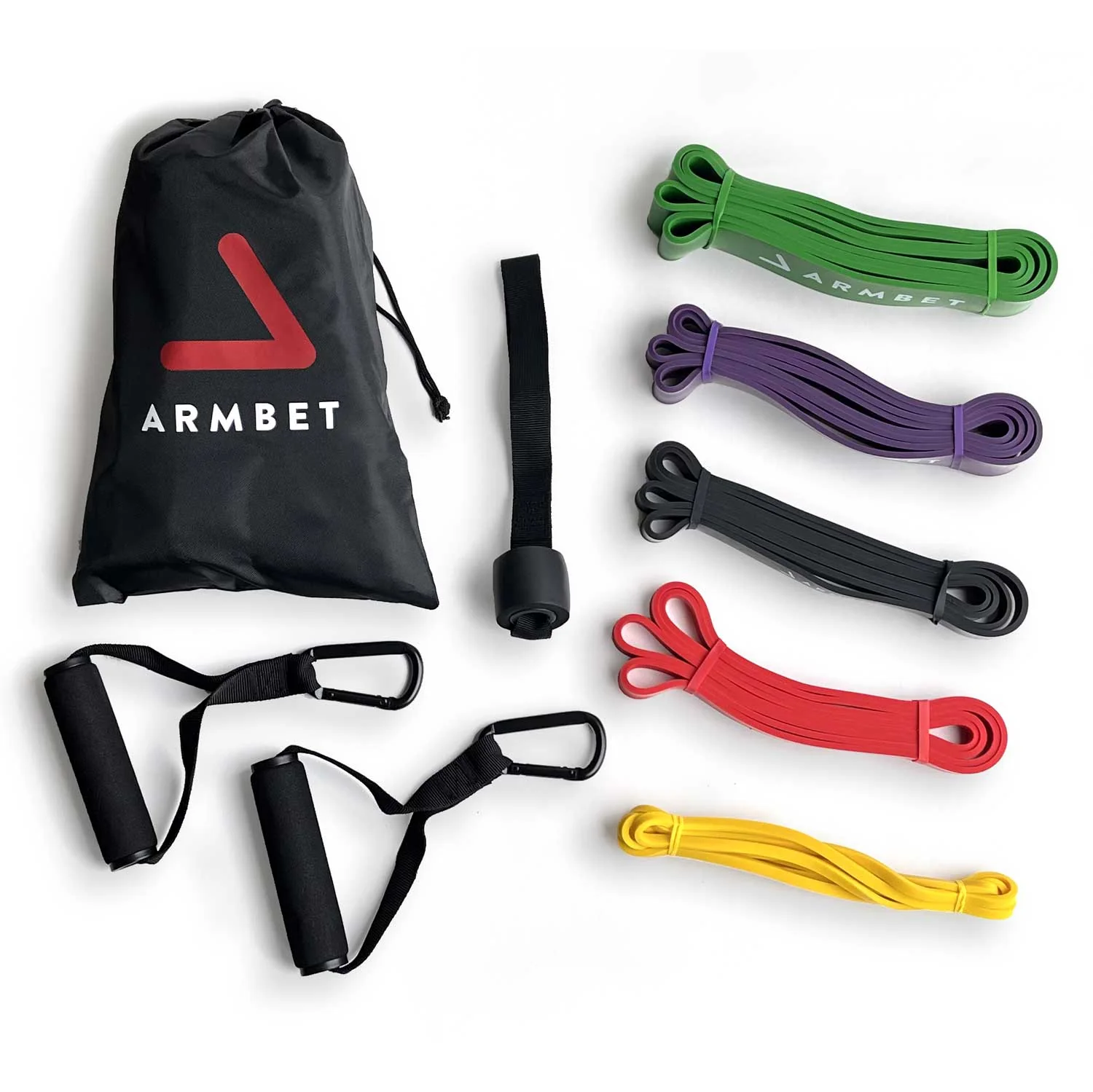
Different Types of Ankle Resistance Bands and How to Choose the Right One
When you delve into the world of ankle resistance bands, you’ll find a few common types, each with unique characteristics. Understanding these can help you pick the perfect band for your goals:
- Loop Bands (Mini Bands): These are the most common and often what people picture when thinking of ankle bands. They are continuous loops, typically made of latex or fabric.
- Latex Bands: Offer more stretch and are great for dynamic movements and upper body exercises if repurposed.
- Fabric Bands: Known for not rolling up or sliding down during workouts, making them ideal for lower body exercises.
- Ankle Straps with Bands: These accessories attach to resistance tube bands, allowing you to connect a band to your ankle more securely, often with a door anchor for greater resistance versatility.
How do you choose the right ankle resistance bands for you?
Consider the resistance level first. Bands come in various resistances, from extra-light to extra-heavy. Beginners should start with lighter resistance and gradually increase as strength improves. The material also matters; if you find latex bands pinch or roll, fabric bands might be a more comfortable option.
Effective Exercises with Ankle Resistance Bands for Various Muscle Groups
Incorporating ankle resistance bands into your routine is a fantastic way to target specific muscle groups, especially in your lower body. Here are some effective exercises:
Glutes & Hips
Why are strong glutes and hips important?
Strong glutes and hips are crucial for everything from powerful athletic movements to everyday activities like walking and standing, and they play a significant role in preventing lower back and knee pain.
- Resistance Band Lateral Walks
- How to do it: Place an ankle resistance band around your ankles. Stand with your feet hip-width apart, knees slightly bent, and a light hinge at your hips. Keeping tension in the band, take small, controlled steps sideways, moving several steps in one direction before switching.
- Tip: Focus on pushing your knees out against the band, engaging your gluteus medius and minimus. This exercise is fantastic for improving hip stability and lateral power.
- Standing Glute Kickbacks
- How to do it: Loop the band around your ankles. Stand tall with a slight bend in your supporting knee. Keeping your core engaged, slowly kick one leg straight back, squeezing your glute at the peak of the movement. Control the return to the starting position.
- Tip: Avoid arching your lower back. The movement should come from your glute, not your spine. This helps target the gluteus maximus effectively.
- Clamshells
- How to do it: Lie on your side with the band around your knees (or ankles for more advanced). Bend your knees to a 90-degree angle, stacking your hips and feet. Keeping your feet together, open your top knee like a clamshell, rotating from the hip. Control the movement back down.
- Tip: Ensure your hips remain stacked and don’t roll backward. This exercise specifically strengthens the hip abductors, which are vital for hip health and stability.
Ankles (Strength & Stability)
Why is ankle strength and stability important?
Strong and stable ankles are fundamental for balance, mobility, and preventing common injuries like sprains, making them vital for athletes and daily activities alike.
- Ankle Dorsiflexion
- How to do it: Sit on the floor with legs extended. Loop a resistance band around the ball of one foot and anchor the ends to a stable object or hold them with your hands. Slowly pull your toes towards your shin against the band’s resistance.
- Tip: This movement strengthens the muscles on the front of your shin, crucial for preventing shin splints and ensuring proper foot clearance while walking.
- Ankle Eversion
- How to do it: Sit with legs extended. Loop a band around the ball of one foot and anchor the other end to a sturdy object on the inside of that foot. Slowly move your foot outwards against the band’s resistance, keeping your heel on the floor.
- Tip: This targets the peroneal muscles on the outside of your lower leg, which are key for lateral stability and injury prevention, especially for ankle sprains.
Tips to Maximize Your Ankle Resistance Band Workouts and Prevent Injury
To truly get the most out of your ankle resistance bands and keep your workouts safe and effective, keep these pointers in mind:
- Prioritize Form Over Resistance: It’s tempting to grab the heaviest band, but impeccable form is always more beneficial. Focus on slow, controlled movements to fully engage the target muscles and prevent injury.
- Warm-Up and Cool-Down: Always begin with a dynamic warm-up to prepare your muscles and end with static stretches to improve flexibility and aid recovery.
- Progressive Overload: As you get stronger, gradually increase the resistance by using a heavier band or increasing repetitions and sets. This consistent challenge is key to continued muscle growth.
- Listen to Your Body: If you feel pain, stop the exercise. Ankle resistance bands are excellent for rehabilitation, but pushing through sharp pain can worsen injuries.
- “Resistance bands are incredibly effective because they provide tension throughout the entire range of motion, which is something free weights often can’t achieve as consistently,” says Dr. Elena Petrova, a certified sports physiotherapist. “This continuous tension leads to greater muscle activation and can significantly improve proprioception and joint stability.”
The Benefits of Ankle Resistance Band Training for Health and Fitness
Integrating ankle resistance bands into your fitness regimen offers a wealth of benefits that extend beyond just toning your muscles:
- Improved Strength and Muscle Activation: The constant tension from the bands forces your muscles to work harder, leading to increased strength in your glutes, hips, and lower legs. They also help improve the mind-muscle connection, activating more muscle fibers.
- Enhanced Balance and Stability: By engaging the smaller, stabilizing muscles around your ankles and hips, these bands significantly improve your balance and coordination, reducing the risk of falls and improving athletic performance.
- Increased Range of Motion and Flexibility: Specific exercises with ankle bands can help improve the flexibility of your ankle joints, leading to a greater range of motion and overall mobility.
- Injury Prevention and Rehabilitation: As a low-impact training tool, resistance bands are gentle on joints, making them ideal for strengthening muscles to prevent common injuries like ankle sprains and even for aiding recovery during physical therapy.
- Improved Bone Density: Strengthening exercises with bands can help increase ankle bone density, potentially reducing the risks of degenerative diseases like osteoarthritis.
How to Integrate Ankle Resistance Bands into Your Daily Workout Routine
The beauty of ankle resistance bands lies in their adaptability, making them easy to weave into almost any fitness routine.
- Warm-Up and Activation: Start your leg day or any lower body activity with 5-10 minutes of banded exercises like lateral walks or glute bridges. This “wakes up” your muscles, ensuring they are ready to perform efficiently in your main workout.
- Main Workout: Use them as a primary resistance tool for exercises like squats, lunges, or deadlifts, or add them to bodyweight exercises to increase the challenge.
- Cool-Down and Rehabilitation: Incorporate gentle ankle mobility exercises with a light band to aid recovery, improve circulation, and enhance flexibility after an intense session or for injury rehab.
- Travel-Friendly Workouts: Their compact size means you can literally take your workout anywhere. No gym? No problem. A few ankle band exercises can provide a comprehensive lower body burn in a hotel room or park.
|
Our Picks for the Best Resistance Bands in 2026
As an Amazon Associate I earn from qualifying purchases.
|
||
| Num | Product | Action |
|---|---|---|
| 1 | Pull Up Bands, Resistance Bands, Pull Up Assistance Bands Set for Men & Women, Exercise Workout Bands for Working Out, Body Stretching, Physical Therapy, Muscle Training |

|
| 2 | SUNPOW Pull Up Assistance Bands - Set of 5 Resistance Heavy Duty Workout Exercise Stretch Fitness Bands Assist Set for Body, Instruction Guide and Carry Bag Included |
|
| 3 | WHATAFIT Resistance Bands, Exercise Bands,Resistance Bands for Working Out, Work Out Bands with Handles for Men and Women Fitness, Strength Training Home Gym Equipment |
|
| 4 | HPYGN Resistance Bands, Exercise Bands with Handles, Fitness Bands, Workout Bands with Door Anchor and Ankle Straps, for Heavy Resistance Training, Physical Therapy, Shape Body, Yoga, Home Workout Set |
|
| 5 | Resistance Bands, Pull Up Assist Bands - Workout Bands, Eexercise Bands, Long Resistance Bands Set for Working Out, Fitness, Training, Physical Therapy for Men Women |
|
| 6 | 2PCS Elastic Yoga Stretching Strap with Loops, Stretch Strap for Dance, Gymnastics Stretching Ballet Dance Bands, Adjustable Stretching-Bands, Multi-Loop Exercise Bands for Pilates, Latin and Yoga |
|
| 7 | Multifunction Pedal Resistance Band with Handle, Upgraded Exercise Equipment with Soft Foot Pedal for Sit Up & Full-Body Home Gym Workouts, Core/ABS Training, Pilates, Yoga & Physical Therapy |
|
| 8 | LEEKEY Resistance Bands, Exercise Bands with Handles,Pull Up Assist Bands - Band Set with Door Anchor - Bands for Working Out,Band for Men and Women Fitness Training,Home Workouts |
|
| 9 | Pull Up Assistance Bands, 5-Level Resistance Bands for Working Out, Pull Up Bands for Men & Women, Exercise Bands for Full-Body Training, Fitness, Physical Therapy, Stretch Workout Bands at Home, Gym |
|
| 10 | VEICK Resistance Bands, Exercise Bands, Workout Bands, Resistance Bands for Working Out with Handles for Men and Women, Exercising Bands for Fitness Weights Work Out at Home |
|
Frequently Asked Questions (FAQ)
Can beginners use ankle resistance bands?
Absolutely! Ankle resistance bands are an excellent tool for beginners. Start with a lighter resistance band to learn proper form and gradually increase the resistance as you build strength and confidence.
How often should I use ankle resistance bands?
For optimal results, aim to incorporate ankle band exercises into your routine 2-3 times per week, allowing for rest days in between to help your muscles recover and grow stronger.
Do ankle resistance bands help with weight loss?
While resistance bands primarily build muscle and strength, which can boost your metabolism, they are best used as part of a comprehensive weight loss strategy that includes cardiovascular exercise and a balanced diet.
Are ankle resistance bands safe for ankle pain or rehabilitation?
Yes, they are often recommended in physical therapy due to their low-impact nature and ability to provide controlled resistance. However, always consult a healthcare professional before starting any new exercise if you have existing pain or injuries.
What’s the difference between ankle bands and thigh bands?
Ankle bands are placed around the ankles and primarily target the muscles lower in the leg, hips, and glutes through movements like kicks and lateral steps. Thigh bands are typically placed above the knees and focus more on glute activation during exercises like squats and glute bridges. Both are beneficial, often targeting overlapping muscle groups with slightly different emphasis.
Conclusion
Ankle resistance bands are a simple yet incredibly powerful addition to any fitness routine, offering a convenient and effective way to build strength, enhance stability, and prevent injuries in your lower body. From targeting your glutes and hips to fortifying your ankles, these versatile tools provide a challenging workout that’s accessible to everyone. So, why not give them a try? Start incorporating them today and feel the difference they can make in your strength, balance, and overall physical well-being. Share your experiences and let’s build a stronger community, one banded exercise at a time!