Baseball demands a unique blend of power, precision, and endurance. From the explosive rotation of a swing to the intricate mechanics of a pitch, every movement counts. If you’re looking to elevate your performance, safeguard your arm, and unlock new levels of strength, then Baseball Resistance Bands are about to become your new best friend. These versatile tools are revolutionizing training for players at all levels, offering a dynamic edge that traditional weights simply can’t match.
What Are Baseball Resistance Bands and Why Are They Popular?
At their core, baseball resistance bands are elastic training tools that provide variable tension as you stretch them. This unique property allows them to mimic the natural, fluid movements inherent in baseball, making them incredibly effective for functional strength development. Unlike free weights, which provide constant resistance, bands challenge your muscles throughout the entire range of motion, which is crucial for the complex actions of throwing and swinging.
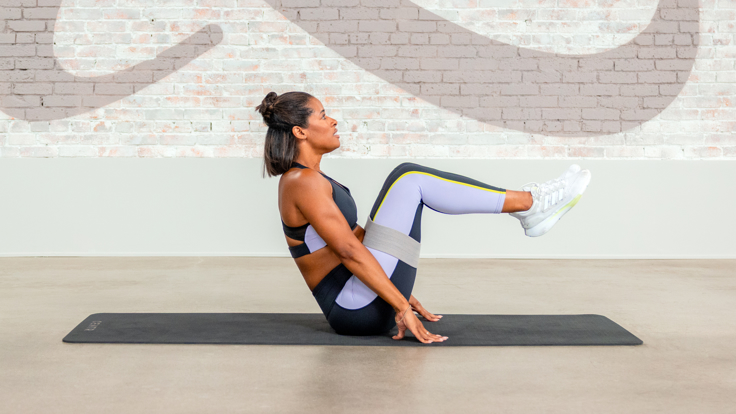
Their popularity among baseball players stems from several key benefits: they build strength and power, enhance flexibility and mobility, and significantly reduce the risk of common baseball injuries. Plus, they are incredibly portable and convenient, meaning you can take your training anywhere – from the bullpen to your living room.
Why Every Baseball Player Needs Resistance Bands
For any aspiring or seasoned baseball player, integrating baseball resistance bands into your routine offers a significant advantage:
- Improved Strength and Power: Bands help develop functional strength, directly translating to more powerful pitches, harder hits, and quicker movements on the field.
- Enhanced Flexibility and Mobility: Baseball requires an expansive range of motion. Resistance bands facilitate dynamic stretching and strengthening, increasing your flexibility and reducing stiffness, especially in critical areas like the shoulders and hips.
- Reduced Injury Risk: The repetitive nature of throwing puts immense stress on the shoulder and elbow joints. Bands strengthen the smaller, stabilizing muscles around these joints, like the rotator cuff, helping to prevent common overuse injuries.
- Increased Velocity: By strengthening the rotator cuff, scapular stabilizers, and core muscles, resistance bands can notably improve throwing velocity. They also train the crucial deceleration phase of throwing, where many arm injuries occur.
- Sport-Specific Training: Bands allow you to perform exercises that closely replicate pitching, swinging, and fielding motions, ensuring your training is directly applicable to game situations.
Types of Resistance Bands and How to Choose the Right Ones
Not all resistance bands are created equal, and selecting the right type depends on your specific training goals. Here are the most common types you’ll encounter and tips for making the best choice for your baseball resistance bands regimen:
Different Kinds of Bands for Baseball Training
- Loop Bands: These circular bands are fantastic for lower body exercises (squats, lunges, lateral walks) and can also be used for shoulder rotations.
- Tube Bands with Handles: Featuring handles for a secure grip, these are excellent for exercises that mimic baseball movements like pitching and swinging, and for various upper body drills.
- Flat Bands: Often wider and thinner, flat bands are primarily used for stretching, mobility work, and dynamic warm-ups.
- Baseball-Specific Systems (e.g., J-Bands, Crossover Symmetry): These often come with specialized attachments like wrist cuffs, door mounts, or carabiner clips, designed to optimize throwing-specific movements and arm care routines. They are typically validated by baseball professionals.
Choosing Your Ideal Baseball Resistance Bands
When you’re ready to invest in baseball resistance bands, consider these factors:
- Resistance Levels: Bands come in varying tensions (light, medium, heavy). Beginners should start with lighter resistance (e.g., 10-15 pounds for youth players) to master form, gradually progressing to heavier bands as strength improves. High school players might use 20-25 pounds, while advanced athletes could use 30-40 pounds.
- Material Quality: Look for durable materials like natural latex or TPE, which offer consistent tension and longevity, reducing the risk of snapping.
- Design and Features: For baseball, features like comfortable wrist cuffs, versatile anchor systems (door mounts, pole straps, sturdy carabiners), and clear resistance markings are highly beneficial.
- Reviews: Always check reviews to ensure the bands are high-quality and effective for baseball-specific training.
Effective Resistance Band Exercises for Different Muscle Groups
Integrating baseball resistance bands into your routine means targeting the muscle groups essential for performance and injury prevention. Here’s a breakdown of highly effective exercises:
Arm Care and Rotator Cuff Exercises
These are vital for shoulder health and stability, especially for pitchers.
- Internal Rotation (0 and 90 Degrees): Targets the internal rotators of the shoulder, crucial for generating pitching power.
- External Rotation (0 and 90 Degrees): Strengthens external rotators to stabilize the shoulder and protect against injuries, particularly the rotator cuff, and enhances the deceleration phase of throwing.
- One-Arm Reverse Fly: Promotes scapula stability and strengthens posterior shoulder muscles, reducing impingement risk.
- Overhead Triceps Extension: A strong triceps muscle contributes to better pitch control and velocity.
Throwing Mechanics and Velocity Drills
- Band-Resisted Throwing Motion: Attach a tube band to a stable object and mimic your full pitching motion slowly. The resistance helps strengthen the shoulder and arm muscles, improving speed and accuracy.
- Diagonal Shoulder Flexion: This exercise closely mimics the arc of a bat swing or the follow-through of a throw, building relevant muscle memory and strength.
Core Strength and Rotational Power
A strong core is the foundation of all athletic movements in baseball.
- Band-Resisted Trunk Rotation: Standing sideways to an anchored band, hold the handle with both hands and slowly rotate your torso away from the anchor. This targets core muscles for powerful rotational movements.
- Banded Anti-Rotation Press: Anchor a band to your side, hold it with both hands at chest height, and press straight out, resisting the band’s pull to prevent your torso from rotating. This builds core stability.
Lower Body Explosiveness and Stability
Don’t forget the legs – they initiate much of baseball’s power.
- Loop Band Squats and Lunges: Place a loop band around your thighs (above the knees) for squats and lunges to engage glutes and hip stabilizers more effectively.
- Lateral Walks (with Loop Bands): Place a loop band around your ankles or knees and take small, controlled steps sideways, maintaining tension. This builds hip and glute strength, essential for agility and fielding.
Tips to Maximize Workout Effectiveness and Prevent Injuries
To truly harness the power of baseball resistance bands, consistency and proper technique are paramount.
- Prioritize Form Over Resistance: Always start with a lighter band to ensure you can perform each exercise with perfect form. Using too much resistance can lead to poor movement patterns and increase injury risk.
- Gradual Progression: As you get stronger, gradually increase the resistance. The goal is progressive overload, not immediate maximum effort.
- Warm-Up and Cool-Down: Incorporate band exercises into your pre-game or pre-practice warm-up to increase blood flow and activate muscles. Use lighter bands for stretching and mobility during cool-downs to aid recovery.
- Listen to Your Body: Avoid overtraining. If you feel excessive fatigue or pain, reduce intensity or take a rest day. Consistency with moderate effort yields better long-term results than sporadic, intense sessions.
- Inspect Your Bands: Regularly check your baseball resistance bands for signs of wear like thinning, cracks, or loss of elasticity. Replace damaged bands immediately to prevent snapping and potential injury.
- Secure Anchor Points: When using bands with door mounts or carabiners, always ensure your anchor point is sturdy and secure before starting any exercise.
The Benefits of Resistance Bands for Baseball Performance and Health
The advantages of incorporating baseball resistance bands extend beyond just the immediate workout. Over time, consistent use leads to profound improvements in overall athletic health and performance:
- Holistic Strength Development: Bands engage entire kinetic chains, building strength not just in isolated muscles but in the coordinated movements required for baseball. This leads to more efficient and powerful actions on the field.
- Enhanced Joint Stability: By strengthening the smaller, stabilizing muscles around major joints (especially the shoulder and elbow), bands help improve joint integrity, making them more resilient to the stresses of repetitive throwing.
- Improved Neuromuscular Coordination: The variable resistance of bands challenges your nervous system to adapt, leading to better communication between your brain and muscles. This results in smoother, more controlled, and more powerful movements.
- Proactive Injury Prevention: Rather than just reacting to injuries, band training helps create a robust, resilient musculoskeletal system, significantly lowering the likelihood of common baseball-related issues.
“Resistance bands are a game-changer for baseball players, not just for building strength but for truly understanding and enhancing the kinetic chain of the throwing motion. They offer a unique way to strengthen the crucial decelerator muscles, which is vital for arm health and longevity,” shares Coach Elena Rodriguez, a respected Strength & Conditioning Specialist for Collegiate Baseball.
Integrating Baseball Resistance Bands into Your Daily Training Routine
The real magic of baseball resistance bands happens when they become an integral part of your regular training.
- Pre-Game/Practice Activation (5-10 minutes): A quick series of light resistance band exercises helps warm up the arm, increase blood flow, and activate the shoulder and cuff muscles, preparing your body for throwing.
- Post-Game/Practice Recovery (10-15 minutes): Use bands for gentle stretches and mobility work to aid recovery, reduce soreness, and maintain flexibility and blood flow.
- Strength Training Days (20-30 minutes): Incorporate targeted baseball resistance band exercises for arm care, core stability, and lower body power as part of your main lifting sessions or as an accessory workout.
- Off-Season Focus: The off-season is an excellent time to use bands to build foundational strength, correct imbalances, and work on specific mechanics without the pressure of competition.
Frequently Asked Questions
How often should baseball players use resistance bands?
Most players benefit from using baseball resistance bands 3-5 times per week, adjusting based on their training schedule and game load. A quick 5-10 minute session for pre-game activation and 10-15 minutes for post-game recovery are generally recommended.
Can resistance bands really increase throwing velocity?
Absolutely. When used correctly and consistently, baseball resistance bands can significantly improve throwing velocity. They strengthen the rotator cuff, scapular stabilizers, and core muscles, and notably train the deceleration phase of throwing, which directly contributes to increased fastball speeds.
What’s the difference between baseball-specific bands and regular resistance bands?
Baseball-specific resistance bands often come with specialized attachments like door mounts, comfortable wrist cuffs, and resistance levels calibrated for throwing motions. They are designed and validated by baseball professionals, with exercise guides focused on arm care and performance enhancement, features often absent in generic bands.
At what age should players start using resistance bands?
Players can safely begin using baseball resistance bands as young as 8-10 years old, provided they use very light resistance (10 pounds or less) and are properly supervised. The focus at younger ages should be on proper form, injury prevention, and developing good training habits, not on building significant strength.
How long do quality resistance bands typically last?
With proper care and regular use, quality baseball resistance bands typically last 1-2 years before needing replacement. Higher-end bands with reinforced construction can endure 3+ years. Regular inspection for wear and proper storage away from extreme temperatures will extend their lifespan.
Elevate Your Game with Resistance Bands
From improving pitching velocity to safeguarding your most valuable asset—your arm—baseball resistance bands are indispensable tools for any serious player. They offer a unique, dynamic, and highly effective way to build functional strength, enhance flexibility, and drastically reduce injury risk. By choosing the right bands and integrating them thoughtfully into your training regimen, you’re not just working out; you’re investing in a longer, stronger, and more successful baseball career. Don’t just play the game; master it with the power of resistance bands.