Let’s be real, in the bustling world of fitness, finding gear that truly stands the test of time and delivers results can feel like a quest. But what if I told you that one of the simplest, most versatile, and incredibly effective tools for building strength and sculpting your body is a humble, stretchy band? That’s right, we’re talking about resistance bands! They’ve exploded in popularity, and for good reason. From seasoned athletes to fitness newcomers, everyone is discovering the immense benefits these bands offer, transforming home workouts and gym routines alike. But with so many options out there, how do you sort through the noise to find the Best Quality Resistance Bands that will truly support your fitness journey?
What Are Resistance Bands and Why the Buzz?
At their core, resistance bands are elastic bands used for strength training. They provide constant tension throughout an exercise, engaging your muscles in a way that free weights sometimes can’t. The “buzz” around them isn’t just hype; it’s a testament to their adaptability and efficiency. They’re lightweight, portable, and surprisingly powerful, capable of delivering a full-body workout wherever you are. Whether you’re aiming to build muscle, improve flexibility, or aid in rehabilitation, resistance bands offer a low-impact yet highly effective path to achieving your goals.
Unraveling the Types: Finding Your Perfect Band
Resistance bands aren’t a one-size-fits-all affair. They come in various forms, each designed for specific purposes and exercises. Understanding the different types is the first step in selecting the best quality resistance bands for your needs.
Loop Bands (Mini Bands & Power/Pull-Up Bands)
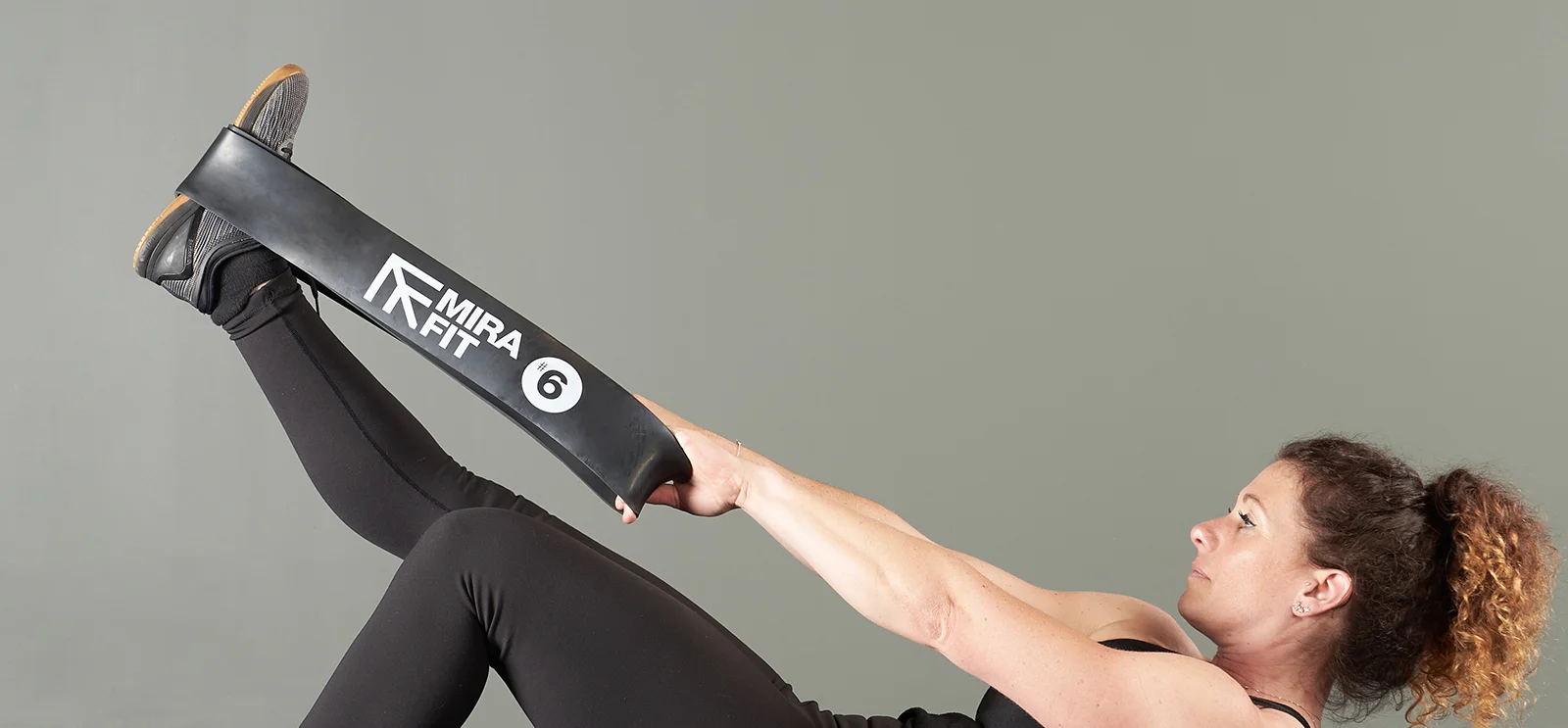
Mini bands are smaller, circular loops often placed around the thighs, ankles, or wrists, perfect for glute activation, hip abductions, and lateral movements. Power or pull-up bands are much larger loops, thicker and offering significant resistance. These are fantastic for assisted pull-ups, squats, deadlifts, and overall body resistance, and come in a wide range of resistance levels from light to extremely heavy.
Tube Bands with Handles
These bands feature a tubular design with handles at each end, often accompanied by door anchors and ankle straps. They’re incredibly versatile, allowing you to mimic many exercises traditionally done with dumbbells, such as bicep curls, chest presses, and rows. The handles provide a comfortable grip, making them a great choice for upper body and core work.
Flat Bands (Therapy Bands)
Typically thinner and longer, these non-looped bands are commonly used in physical therapy, rehabilitation, stretching, and mobility work. They offer lighter resistance levels, making them ideal for controlled movements and gradually building strength after an injury.
The Core of Quality: Materials That Matter
When it comes to the best quality resistance bands, the material is paramount. It dictates durability, feel, and overall performance.
Latex and Rubber: The Stretchy Workhorses
Most traditional resistance bands are made from natural rubber latex or synthetic rubber. These materials offer exceptional elasticity and a wide range of resistance levels, adapting well to various movements and allowing for a full range of motion. Dipped latex bands, in particular, are often considered the most durable among latex options, offering superior longevity and resistance to snapping. However, latex can sometimes pinch skin or hair, and some individuals may have latex allergies. For those with sensitivities, non-latex alternatives like TPE (Thermoplastic Elastomer) or thermoplastic rubber bands are excellent choices, providing similar stretch without the allergen risk.
Fabric Bands: Comfort Meets Durability
Fabric resistance bands have surged in popularity, especially for lower body workouts. Made from a blend of polyester, cotton, and latex, these bands offer a distinct advantage: comfort. They are wider, softer on the skin, and, crucially, less likely to roll up or slip during exercises like squats or glute bridges. Their tightly woven construction makes them incredibly durable, often outlasting their latex counterparts for specific uses. While they may offer a slightly less expansive stretch than pure latex bands, fabric bands excel in providing consistent tension, particularly for exercises focused on muscle activation and building strength in the glutes and legs.
Beyond Material: Key Features of Top-Quality Resistance Bands
While material is a big player, several other features contribute to the overall quality and user experience of resistance bands.
Construction and Design
For tube bands with handles, look for robust, reinforced stitching where the handles meet the band. High-quality handles should be ergonomic and offer a secure, comfortable grip, even when your hands are sweaty. With loop bands, a seamless design or strong bonding is crucial to prevent tearing.
Resistance Levels
The best quality resistance bands often come in sets with clearly labeled resistance levels, typically indicated by different colors (e.g., yellow for light, green for medium, blue for heavy, black for extra-heavy). This allows for progressive overload as you get stronger and ensures you have the right challenge for different exercises and muscle groups.
Durability Indicators
One of the strongest indicators of durability is the manufacturer’s warranty. Companies confident in their product’s lifespan will offer a decent warranty. Additionally, user reviews that mention long-term use and minimal wear and tear are invaluable. Reputable brands known for quality fitness equipment are also a safe bet.
Comfort and Grip
No one wants a band that digs into their skin or constantly slides out of place. Fabric bands generally win on comfort, especially for leg exercises. For latex bands, a smooth, consistent texture helps reduce friction. Good grip is essential for safe and effective workouts, preventing slips and ensuring proper form.
Unleashing Your Potential: Effective Exercises with Resistance Bands
The beauty of resistance bands lies in their versatility. You can use them to target virtually every muscle group.
Upper Body Blast
- Resistance Band Rows: Anchor a tube band to a stable object, grab the handles, and pull back, squeezing your shoulder blades.
- Resistance Band Chest Press: Loop a power band around your back, hold an end in each hand, and press forward like a push-up.
- Resistance Band Bicep Curls: Stand on a loop band, hold the ends, and curl your arms up.
Lower Body Power
- Resistance Band Squats: Place a mini band above your knees and perform squats, pushing your knees out against the band.
- Glute Bridges: Lie on your back with a mini band above your knees, drive your hips up, squeezing your glutes.
- Lateral Band Walks: With a mini band around your ankles or knees, take small steps sideways, maintaining tension.
Core and Flexibility
- Resistance Band Twists: Anchor a tube band to the side, hold the handle with both hands, and twist your torso away from the anchor point.
- Resistance Band Stretches: Use a flat band to assist in deeper hamstring or quad stretches.
Smart Training: Maximizing Your Band Workouts and Staying Safe
To get the most out of your best quality resistance bands and prevent any mishaps, keep these tips in mind:
- Proper Form is King: Always prioritize correct technique over resistance level. Watch videos, use mirrors, or even consult a trainer to ensure you’re performing exercises correctly.
- Inspect Before You Flex: Before each workout, quickly check your bands for any nicks, tears, or weakened spots. If you notice significant damage, it’s time for a replacement.
- Progressive Overload: Just like with weights, challenge yourself by gradually increasing resistance (using a stronger band or combining bands), reps, or sets to continue making gains.
- Store Them Right: Keep your bands away from direct sunlight, extreme temperatures, and sharp objects. A cool, dry place is ideal to prolong their lifespan.
- Cleanliness Matters: Fabric bands can often be hand washed, while latex bands can be wiped down with a damp cloth. This helps remove sweat and grime that can degrade the material.
The Real Deal: Benefits of Quality Resistance Band Training
Beyond the convenience, the advantages of incorporating best quality resistance bands into your routine are profound.
- Builds Muscle and Strength: Research indicates that resistance band training can lead to similar strength gains as traditional weightlifting. The constant tension challenges your muscles throughout the entire range of motion, promoting comprehensive muscle development.
- Improves Functional Fitness and Stability: Many band exercises mimic real-life movements, enhancing your body’s ability to perform daily tasks and excel in sports. The need to control the band engages stabilizing muscles and your core more effectively.
- Joint-Friendly Alternative: Resistance bands offer a low-impact form of exercise, placing less stress on your joints compared to heavy weights. This makes them an excellent option for individuals with joint pain or those recovering from injuries.
- Supports Rehabilitation and Injury Prevention: Physical therapists frequently use resistance bands for targeted strengthening and mobility work, making them invaluable for recovery and building resilience against future injuries.
- Enhances Flexibility and Mobility: Bands can assist in deepening stretches and improving your overall range of motion, contributing to better posture and reduced muscle stiffness.
Weaving Bands into Your Daily Grind
One of the greatest appeals of resistance bands is how easily they fit into any lifestyle.
- Quick Home Workouts: Got 15 minutes? A set of quality resistance bands is all you need for an effective, no-fuss workout at home.
- Travel Companion: Lightweight and compact, they’re the ultimate travel fitness tool, ensuring you never miss a workout, whether you’re on vacation or a business trip.
- Warm-ups and Cool-downs: Incorporate lighter bands into your warm-up routine to activate muscles and your cool-down to aid in stretching and recovery.
Expert Insights: What the Pros Say
“When selecting resistance bands, always prioritize durability and material quality,” advises Dr. Anya Sharma, a renowned sports physiologist. “The goal isn’t just to get a band that works now, but one that will consistently perform and remain safe throughout your long-term fitness journey. Investing in best quality resistance bands is investing in your body’s sustained health and performance.”
Frequently Asked Questions About Resistance Bands
What is the difference between latex and fabric resistance bands?
Latex bands offer high elasticity and a wide resistance range, often used for varied exercises. Fabric bands, on the other hand, are more comfortable, less prone to rolling, and highly durable for specific movements, especially lower body exercises, though they may have less overall stretch.
Can resistance bands really build muscle effectively?
Yes, absolutely! Numerous studies have shown that training with resistance bands can be just as effective as using free weights or machines for building muscle strength and size, as they provide continuous tension throughout the movement.
How do I choose the right resistance level?
Start with a lighter resistance band to master proper form, then gradually progress to heavier bands as your strength improves. Most quality sets come with multiple resistance levels to allow for this progression.
How long do quality resistance bands typically last?
The lifespan varies by material and usage. High-quality latex bands can last several years with proper care, while durable fabric bands are also known for their longevity. Regular inspection for wear and tear is crucial to ensure safety and effectiveness.
Are resistance bands good for beginners?
Yes, they are excellent for beginners! Their low-impact nature and ability to provide variable resistance make them a safe and effective starting point for building strength, improving form, and gradually introducing resistance training.
How do I clean my resistance bands?
Fabric bands can often be hand-washed with mild soap and air-dried. Latex bands should be wiped down with a damp cloth and mild soap, then air-dried away from direct sunlight. Avoid harsh chemicals that can degrade the material.
Can I combine resistance bands for more challenge?
Absolutely! Stacking or combining multiple resistance bands is a great way to increase the resistance for a more challenging workout, allowing you to continue progressing without needing an entirely new set.
Your Journey to Strength, Resisted
Choosing the best quality resistance bands is more than just buying a piece of fitness equipment; it’s investing in a versatile, effective, and convenient tool that can revolutionize your workout routine. By understanding the different types, prioritizing quality materials like durable latex or comfortable fabric, and looking for robust construction, you equip yourself for success. So, whether you’re just starting out or looking to intensify your training, grab your bands, embrace the tension, and get ready to unlock a new level of strength and resilience. Your body will thank you for it!