Stepping into the world of fitness often means encountering a maze of equipment, but few tools offer the sheer adaptability and cost-effectiveness of Bulk Resistance Bands. These aren’t just any workout accessory; they’re a smart, scalable solution for anyone looking to build strength, enhance flexibility, or support rehabilitation, making fitness more accessible and personalized than ever before. If you’re ready to transform your training, understanding the power of bulk resistance bands is your first step towards a stronger, more resilient you.
What Are Bulk Resistance Bands and Why Are They a Game-Changer?
At their core, bulk resistance bands are large rolls of elastic material, typically available in various widths and lengthy yardage, designed to be cut to your specific needs. Unlike pre-cut, packaged sets, buying in bulk offers unparalleled customization and significant savings. Imagine having a continuous supply of resistance, ready to be trimmed for anything from a short ankle loop to a long stretching aid. This flexibility makes them a revolutionary tool for individuals, personal trainers, gym owners, and physical therapists alike.
The primary appeal lies in their cost-efficiency. Purchasing a substantial roll of material drastically reduces the per-band cost, especially when you consider the varied lengths and resistances you can create from a single bulk purchase. Beyond the financial benefits, the ability to cut bands to precise dimensions ensures a perfect fit for every exercise and every body type, eliminating the compromises often found with standard-sized bands.
Choosing Your Perfect Bulk Resistance Bands: Types and Considerations
When diving into the world of bulk resistance bands, understanding the available types and what to look for is crucial for making an informed choice.
Understanding Materials and Resistance Levels
Most bulk resistance bands are made from either natural latex or a latex-free synthetic material like TPE (Thermoplastic Elastomer). Natural latex bands are renowned for their elasticity, durability, and consistent resistance, making them a popular choice. However, for those with latex allergies, TPE options provide a safe and effective alternative, offering similar performance without the allergen risk.
Resistance levels are typically indicated by color-coding, though the specific color-to-resistance correlation can vary between brands. Generally, lighter colors denote lighter resistance (suitable for beginners or rehabilitation), while darker colors signify heavier resistance (ideal for advanced strength training). These resistance levels are crucial for progressive overload, allowing you to gradually increase the challenge as your strength improves. You’ll often find options ranging from X-Light (e.g., beige) to Super-Heavy (e.g., dark green or black), catering to a full spectrum of fitness levels.
Dimensions and Practical Considerations
Bulk bands commonly come in widths like 5 or 6 inches and lengths such as 25 or 50 yards. The width impacts how resistance is distributed and the comfort during use, while the total length determines how many custom bands you can create. When selecting your roll, consider the primary uses:
- For stretching and rehabilitation: Lighter resistance and ample length for diverse movements.
- For strength training: Moderate to heavy resistance, which can still be cut to various lengths for different exercises.
- For professional settings (gyms, clinics): A variety of resistance levels in bulk to cater to many clients.
Durability is another key factor. High-quality bulk bands are tear-resistant, ensuring they stand up to repeated use and intense workouts. Always check product specifications for material quality and expected lifespan to ensure your investment lasts.
Unleashing Your Potential: Effective Exercises with Bulk Resistance Bands
The versatility of bulk resistance bands means you can target virtually every muscle group in your body, no matter your fitness level or location. Here are some effective exercises:
Full Body Focus with Customizable Resistance
- Upper Body: For bicep curls, stand on the band with one foot, loop the band around your hand, and curl upwards. For lat pulls or chest presses, anchor the band to a sturdy object or use a door anchor. Tricep extensions can be done by holding one end of the band behind your head and extending your arm.
- Lower Body: Squats can be made more challenging by looping a band around your thighs, just above the knees, pushing outwards as you squat. Glute bridges are enhanced by placing a band over your hips and pressing up. Lateral walks with a band around your ankles or knees are excellent for hip abductors.
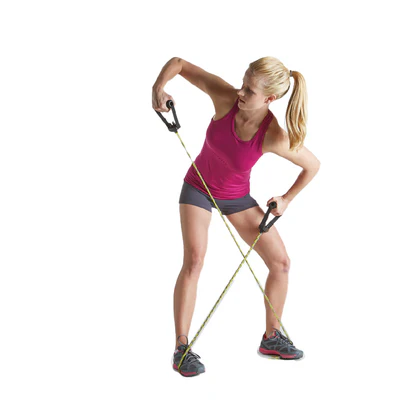
- Core: Rotational twists by anchoring a band to the side and twisting your torso, or various plank modifications where the band adds resistance to leg lifts or arm reaches, can effectively engage your core.
The beauty of bulk bands is that you can cut specific lengths for these exercises, ensuring optimal tension and comfort. Want a shorter loop for glute activation? Cut it. Need a longer piece for assisted pull-ups? You got it.
Mastering Your Workout: Tips for Maximizing Effectiveness and Avoiding Injury
To truly harness the power of bulk resistance bands, a few key practices will ensure maximum gains and safety.
Proper Form and Progressive Overload
Always prioritize proper form over heavy resistance. While bands eliminate jarring spring-backs, incorrect technique can still lead to injury. Focus on controlled movements, engaging the target muscles throughout the full range of motion. If you’re unsure, start with lighter resistance and gradually increase it as your form solidifies.
Progressive overload is simple with bulk bands:
- Increase Resistance: Move to a thicker band or double up lighter bands.
- Increase Reps/Sets: Perform more repetitions or sets with your current band.
- Increase Time Under Tension: Slow down your movements to keep muscles engaged longer.
- Decrease Rest Time: Shorten breaks between sets to elevate intensity.
Essential Warm-up, Cool-down, and Band Care
A thorough warm-up prepares your muscles and joints for the workout, reducing injury risk. Dynamic stretches and light cardio are excellent pre-workout choices. Post-workout, use your resistance bands for static stretches to improve flexibility and aid recovery. They can be looped around a foot to deepen hamstring or quad stretches, improving overall range of motion.
For longevity, store your bulk resistance bands away from direct sunlight and extreme temperatures. Regularly inspect them for nicks, tears, or signs of wear, especially if made from natural latex. A compromised band can snap, potentially causing injury. Replace bands showing significant damage immediately.
Beyond Strength: The Holistic Benefits of Training with Bulk Resistance Bands
Training with bulk resistance bands extends far beyond just building muscle; it offers a multitude of benefits for your overall health and fitness.
Comprehensive Physical Improvements
These versatile tools are excellent for:
- Muscle Strength and Endurance: Unlike free weights, resistance bands provide constant tension throughout the entire movement, keeping muscles engaged from start to finish. This continuous resistance builds both strength and muscular endurance effectively.
- Flexibility and Range of Motion: The controlled tension from bands can help deepen stretches, improve joint mobility, and increase your overall flexibility, crucial for preventing injuries and maintaining agility.
- Rehabilitation and Injury Prevention: Physical therapists frequently use resistance bands for gentle tension to strengthen muscles and stabilize joints post-injury or surgery. They are particularly effective for rotator cuff recovery and other shoulder or knee rehabilitation exercises.
- Accessibility and Portability: Resistance bands are lightweight, compact, and require minimal space, making them perfect for home workouts, travel, or supplementing gym routines without investing in expensive, bulky equipment.
“Bulk resistance bands offer unparalleled versatility for both personal fitness and professional rehabilitation,” states Dr. Anya Sharma, a renowned sports physiotherapist. “Their customizability ensures everyone, from an elite athlete to a post-surgery patient, gets exactly the resistance they need.”
Seamless Integration: Weaving Bulk Resistance Bands into Your Daily Routine
One of the greatest advantages of bulk resistance bands is their effortless integration into any fitness routine or lifestyle.
Making Fitness Part of Your Every Day
- Home Workouts: With bands, your living room transforms into a fully functional gym. No need for heavy machines; a few well-chosen bands can provide a comprehensive workout.
- Travel Fitness: Their minimal weight and size make them ideal travel companions. Keep your fitness routine consistent, whether you’re in a hotel room or on a business trip.
- Supplementing Gym Routines: Use them to warm up, activate specific muscles before lifting weights, or add accommodating resistance to traditional exercises like squats and deadlifts for enhanced gains.
- Physical Therapy Sessions: For those recovering from injuries, bulk bands allow for a tailored, progressive recovery path, often mirroring the exercises prescribed by a therapist. The ability to cut new bands as needed ensures a fresh, hygienic supply for patients.
Frequently Asked Questions About Bulk Resistance Bands
What exactly are bulk resistance bands?
Bulk resistance bands are large rolls of elastic material, often 25 or 50 yards long, that can be cut into custom lengths. They are typically used by individuals, gyms, and physical therapy clinics to create a personalized supply of workout bands.
How do I cut resistance bands from a roll?
Simply unroll the desired length from the bulk roll and use a pair of sharp scissors to cut it. Consider the exercise you intend to perform; shorter lengths are great for glute loops, while longer pieces are better for full-body stretches or assisted pull-ups.
Are bulk resistance bands good for beginners?
Absolutely! Bulk resistance bands come in various resistance levels, including very light options, making them perfect for beginners to learn proper form and gradually build strength without the intimidation of heavy weights.
What are the benefits of buying resistance bands in bulk?
The main benefits include significant cost savings per band, the ability to customize lengths for specific exercises or users, and a continuous supply for personal use, group classes, or rehabilitation settings.
Can I use bulk resistance bands for physical therapy?
Yes, resistance bands are widely used in physical therapy for strengthening muscles, improving range of motion, and aiding recovery from injuries. The customizability of bulk bands makes them particularly useful for tailored rehabilitation programs.
How do I choose the right resistance level?
Start with a lighter resistance band that allows you to complete 10-15 repetitions with good form. As you get stronger, progress to a heavier band. Most brands use a color-coding system to indicate resistance, from extra-light to super-heavy.
How long do bulk resistance bands last?
The lifespan of bulk resistance bands depends on the material quality, frequency of use, and proper care. High-quality latex bands, when stored correctly and inspected regularly for wear, can last for a long time, offering consistent performance.
Embrace the Power of Bulk Resistance Bands
Ultimately, bulk resistance bands represent an intelligent investment in your fitness journey. They break down barriers to exercise, offering a customizable, cost-effective, and highly versatile solution for achieving your health and strength goals. Whether you’re a seasoned athlete, a fitness novice, or someone on the path to recovery, integrating these incredible tools into your routine will open up new dimensions of training. Don’t just work out; optimize your potential with the adaptable power of bulk resistance bands.