Resistance bands have become a cornerstone of modern fitness, transforming how we approach strength training, flexibility, and rehabilitation. They are incredibly versatile, portable, and accessible, making effective workouts possible anywhere. But like any fitness equipment, the quality of your resistance bands profoundly impacts your training experience, safety, and long-term results. Opting for high-quality resistance bands means investing in your fitness future, ensuring durability, consistent performance, and a truly effective path to your goals.
What Makes a Resistance Band “High Quality”?
Understanding what sets a superior resistance band apart is crucial for making an informed choice. It boils down to a few key elements: the materials used, the integrity of its construction, and how consistently it delivers resistance.
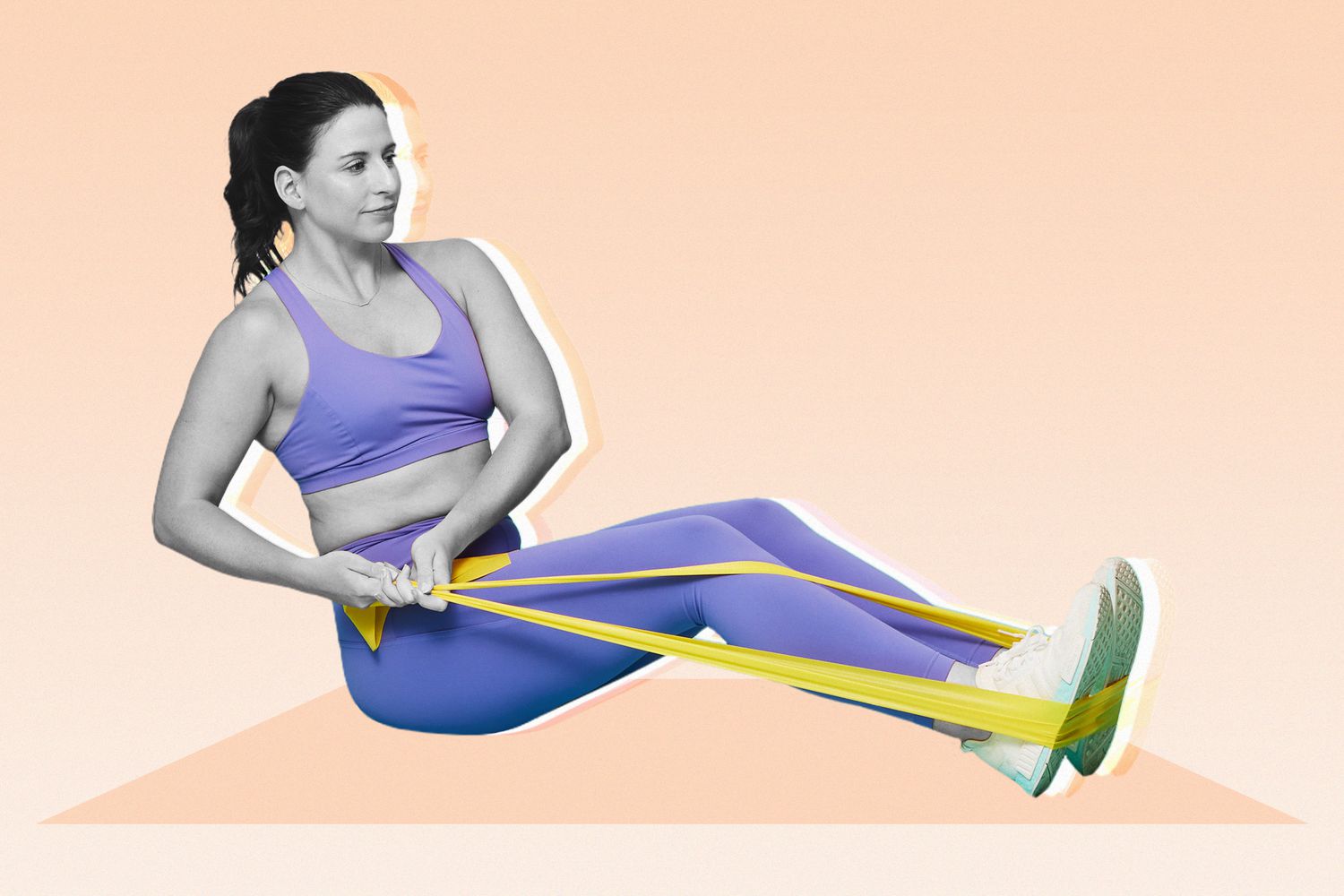
Material Matters: Natural Latex vs. Synthetic Rubber vs. Fabric
The foundation of any good resistance band is its material. Each type offers distinct advantages:
- Natural Latex: Often considered the “gold standard,” natural latex provides exceptional elasticity and durability, making it ideal for a wide range of exercises. It’s also an eco-friendly choice as it’s biodegradable and derived from renewable resources. However, it’s important to note that natural latex can cause allergic reactions in some individuals.
- Synthetic Rubber (TPE/NBR): For those with latex allergies, synthetic rubber options like Thermoplastic Elastomers (TPE) or Nitrile Butadiene Rubber (NBR) are excellent latex-free alternatives. They mimic natural rubber’s elasticity and durability, offering a safe and effective workout experience. TPE bands are also lightweight and comfortable.
- Fabric: Fabric resistance bands, typically woven from cotton, nylon, or polyester and often reinforced with latex or rubber, are celebrated for their comfort and durability. They are less likely to roll, slip, or pinch the skin during workouts, making them particularly popular for lower-body exercises. While they may offer less stretch range than pure latex, their robust nature ensures longevity.
The Anatomy of Durability: Construction and Thickness
High-quality resistance bands are built to last. Look for bands that can withstand repeated stretching and snapping without showing signs of wear and tear. This means checking for manufacturing defects, such as weak spots or tears, which can compromise their integrity. Thicker and wider bands generally offer more resistance and enhanced stability, making them suitable for exercises requiring higher tension levels. Reinforced stitching and seamless designs are also hallmarks of superior construction, minimizing the risk of fraying or breaking during intense use.
Understanding Resistance Levels and Progression
“How do I know what resistance level is right for me?” This is a common question, and the answer is simple: you’ll need a range. Resistance bands come in various levels, usually indicated by colors, although color coding can differ between brands.
Start with a lighter band to master your form and gradually increase resistance as your strength improves. Many experts recommend owning a set of at least three bands (light, medium, and heavy) to accommodate different exercises and muscle groups, allowing for consistent challenge and progressive overload. This approach ensures you’re always engaging your muscles effectively without overstraining.
Choosing Your Perfect Match: Different Types of High-Quality Resistance Bands
The world of resistance bands is diverse, with each type designed for specific workout needs. Knowing the distinctions helps you build a versatile and effective home gym.
Loop Bands (Mini and Power Bands)
What are loop bands? Loop bands are continuous loops of material, varying in length and width. Mini bands are shorter loops, primarily used for glute activation and lower-body exercises, while longer “power bands” or “super bands” are highly versatile for assisted pull-ups, squats, deadlifts, and a variety of strength exercises.
Short loop bands, also known as “booty bands” or “glute bands,” are perfect for targeting smaller muscle groups and enhancing hip stability. Longer, heavy-duty loop bands can support compound lifts and explosive training, making them a favorite among athletes for pull-up assistance and resisted sprints.
Tube Bands with Handles
Why choose tube bands with handles? These bands typically feature a hollow cylindrical shape with plastic or foam handles on each end, often accompanied by a door anchor. They are excellent for mimicking cable machine exercises at home, providing a full-body workout system.
Tube bands are particularly effective for upper-body exercises like bicep curls, shoulder presses, and tricep extensions, offering good control and flexibility. The comfortable handles ensure a secure grip, enhancing the safety and effectiveness of your workout.
Flat/Therapy Bands
What are flat bands used for? These long, flat latex bands typically come without handles and are widely used in physical therapy and rehabilitation settings. They offer lighter resistance, making them ideal for gentle stretching, mobility work, and low-impact exercises.
Flat bands are superb for improving flexibility, aiding in warm-ups, and rehabilitating injuries due to their ability to provide controlled, subtle tension. They allow for deeper stretches and help gradually lengthen muscles, preventing injury risk.
Investing in Quality: What to Look for When Buying
When you’re ready to purchase, consider these factors:
- Reputation: Choose brands known for their commitment to quality and durability.
- Sets over Singles: A set with varying resistance levels offers greater versatility and allows for progressive training.
- Comfort: If possible, test the feel. Fabric bands offer a softer touch, while rubber bands provide more stretch.
- Accessories: Some bands come with door anchors, ankle cuffs, or instructional guides, adding value and expanding exercise possibilities.
“Investing in high-quality resistance bands isn’t just about the workout today; it’s about safeguarding your progress, ensuring consistency, and providing reliable support for your fitness journey for years to come.” – Dr. Elena Petrova, Certified Exercise Physiologist.
Unleash Your Potential: Effective Exercises with High-Quality Resistance Bands
High-quality resistance bands open up a world of effective exercises, targeting every major muscle group. The continuous tension they provide challenges your muscles differently than free weights, leading to enhanced muscle activation throughout the full range of motion.
Upper Body Engagement
For a strong and sculpted upper body, resistance bands are incredibly effective:
- Band Bicep Curls: Stand on the band, holding one end in each hand. Curl your arms up, feeling the resistance increase as you lift.
- Overhead Shoulder Press: Stand on the band, bringing the handles to your shoulders. Press overhead, extending your arms.
- Band Rows: Anchor a tube band to a door or sturdy object. Pull the handles towards your torso, squeezing your shoulder blades.
- Tricep Extensions: Anchor the band overhead or behind your back. Extend your arms to work your triceps.
Lower Body Power
Resistance bands are renowned for their ability to sculpt and strengthen the lower body, especially the glutes:
- Band Squats: Loop a mini band around your thighs, just above the knees. Perform squats, pushing your knees out against the band.
- Glute Bridges: Lie on your back with the mini band around your thighs. Lift your hips, squeezing your glutes at the top.
- Lateral Band Walks: Place a mini band around your ankles or thighs. Take small, controlled steps sideways, maintaining tension.
- Assisted Pull-Ups (with Power Band): Loop a heavy power band around a pull-up bar and step into it. Use its assistance to perform pull-ups, gradually decreasing band resistance as you get stronger.
Core Stability and Control
Engaging your core is fundamental for almost every movement, and resistance bands excel at this:
- Band Russian Twists: Sit on the floor, feet lifted, holding a tube band anchored in front of you. Twist your torso from side to side.
- Plank with Banded March: Loop a mini band around your ankles. Hold a plank position, then alternately lift each foot against the band’s resistance.
- Pallof Press: Anchor a tube band to your side at chest height. Hold the handle with both hands and press it straight out in front of you, resisting the band’s pull to prevent rotation.
Maximize Your Gains & Stay Safe: Tips for Optimal Resistance Band Training
To get the most out of your high-quality resistance bands and ensure their longevity, a few key practices are essential.
Mastering Form and Technique
“Is proper form really that important with bands?” Absolutely. Just like with weights, maintaining correct form is paramount. Resistance bands provide variable resistance, meaning the tension increases as the band stretches. This unique characteristic can maximize muscle activation at the strongest point of your movement, but only with proper technique. Focus on slow, controlled movements, especially during the eccentric (lowering) phase, to fully engage your muscles and prevent injury.
Caring for Your Investment: Longevity Tips
High-quality bands are durable, but they still require care to last. “How do I make my resistance bands last longer?”
- Don’t Overstretch: Generally, don’t stretch a band more than three times its relaxed length. Always check manufacturer instructions.
- Smooth Anchor Points: Avoid anchoring bands to sharp or rough surfaces, which can cause nicks and tears. Use a door anchor or smooth poles.
- Proper Storage: Store your bands out of direct sunlight and away from extreme heat or dryness, which can degrade the material and cause them to become brittle.
- Regular Inspection: Before each workout, quickly check your bands for any signs of damage like nicks, tears, or fraying. Discard damaged bands immediately to prevent snapping and potential injury.
- Clean Occasionally: Wipe bands down with a damp cloth and mild soap if needed, then let them air dry completely.
Progressive Overload and When to Level Up
To continue building strength and muscle, you must progressively overload your muscles. “When should I use a heavier band?”
- Check Your Reps: If you can comfortably complete 20-30 repetitions of an exercise with good form, it’s likely time to move to a band with higher resistance.
- Listen to Your Body: The last few reps should feel challenging, leading to moderate to maximum muscle fatigue. If it’s too easy, increase the resistance; if your form breaks down, consider a lighter band.
- Combine Bands: For an extra challenge, you can often combine multiple bands to achieve a higher resistance level.
Beyond the Burn: The Health & Fitness Benefits of High-Quality Resistance Bands
The advantages of incorporating high-quality resistance bands into your routine extend far beyond just getting a good workout. They offer a holistic approach to health and fitness.
Muscle Building and Strength Gains
“Can resistance bands really build muscle?” Absolutely. Studies have shown that training with resistance bands can lead to similar strength gains as traditional weightlifting. The unique variable resistance forces your muscles to work harder through the entire range of motion, providing a potent stimulus for muscle growth and strength development.
Fat Loss and Metabolism Boost
Resistance band training is excellent for fat loss. By building lean muscle mass, you naturally increase your metabolic rate, meaning your body burns more calories even at rest. Research suggests that resistance band training can be more effective in lowering body fat in overweight individuals compared to other forms of training.
Enhanced Flexibility and Mobility
These bands are fantastic tools for improving flexibility and joint mobility. They offer controlled tension, allowing for dynamic stretching and a gradual lengthening of muscles. This helps increase your range of motion, reduce stiffness, and minimize the risk of injuries, making them ideal for warm-ups and cool-downs.
Joint-Friendly and Injury Prevention
Unlike heavy weights, resistance bands are low-impact and put less stress on your joints and spine. This makes them a safer option, particularly for beginners, older adults, or individuals recovering from injuries. They also excel at activating stabilizer muscles, improving overall joint stability and preventing future injuries.
Seamless Integration: Weaving Resistance Bands into Your Daily Routine
One of the greatest appeals of high-quality resistance bands is their adaptability to various lifestyles and fitness levels.
Home Workouts and Travel-Friendly Fitness
Resistance bands are the ultimate portable gym. Their lightweight and compact design means they can easily fit into a suitcase or a small drawer at home. This makes them perfect for maintaining your fitness routine whether you’re traveling, prefer working out in the comfort of your living room, or simply need a quick, effective session on a busy day. They eliminate the need for bulky equipment, making fitness truly accessible anywhere, anytime.
Warm-ups, Cool-downs, and Rehabilitation
Resistance bands are not just for intense strength training. They are invaluable for pre-workout warm-ups, helping to activate target muscles and improve mobility before a main session. Similarly, incorporating them into cool-downs can aid in flexibility and muscle recovery. Their gentle, controlled resistance makes them a staple in physical therapy and rehabilitation programs, assisting in injury recovery and strengthening weak areas without excessive strain.
Frequently Asked Questions (FAQ)
How often should I replace my resistance bands?
The lifespan of resistance bands varies based on material, quality, and usage frequency, typically ranging from 6 months to 2-3 years. Power bands and tube bands made from high-quality latex can last 5 years or more with proper care. Regularly inspect them for signs of wear and replace them if you notice cracks, tears, or a significant loss of elasticity.
Are fabric bands truly better than latex for certain exercises?
Fabric bands are often preferred for lower-body exercises like glute bridges and lateral walks because they are less likely to roll, slip, or pinch the skin, providing a more comfortable and stable experience. Latex bands, with their greater stretch, can be more versatile for a wider range of exercises, especially upper body and explosive movements.
Can resistance bands build as much muscle as weights?
Yes, research indicates that resistance band training can promote similar strength gains and muscle activation as conventional resistance training with free weights. The key lies in the progressive overload principle, where the increasing tension of the band through the range of motion effectively challenges muscles.
What resistance level should a beginner start with?
Beginners should start with a light resistance band to focus on mastering proper form and technique. As you build strength and confidence, you can gradually progress to medium and then heavy bands, or combine bands for increased challenge. Many find a set of light, medium, and heavy bands to be the most practical starting point.
How do I clean my resistance bands?
To clean your resistance bands, simply wipe them down with a damp cloth and a mild soap solution if necessary. Ensure they are thoroughly air-dried before storing to prevent material degradation. Avoid harsh chemicals or abrasive cleaners.
Unlock Your Full Potential with High-Quality Resistance Bands
High-quality resistance bands are more than just a fitness trend; they are a smart, effective, and accessible tool for anyone looking to enhance their health and physical prowess. By understanding the importance of superior materials, robust construction, and appropriate resistance levels, you can confidently select the best resistance bands to support your unique fitness journey. They offer a myriad of benefits, from building strength and promoting fat loss to improving flexibility and ensuring joint health, all within a portable and cost-effective package. Embrace the versatility, challenge your body, and experience the transformative power of high-quality resistance bands. Start today, experiment with different types and exercises, and watch as your “Sức Mạnh Bền Bỉ” (Enduring Strength) truly flourishes.