Stepping into the world of fitness can feel overwhelming with endless equipment choices. But what if one simple, portable tool could revolutionize your workouts, helping you build strength, boost flexibility, and support your fitness journey wherever you are? Enter Long Loop Resistance Bands – a game-changer for enthusiasts of all levels. These versatile bands offer a unique way to challenge your muscles, enhance your mobility, and achieve impressive results without the bulk of traditional weights. Let’s dive deep into how these incredible tools can transform your routine and empower you to reach your “Sức Mạnh Bền Bỉ” goals.
What are Long Loop Resistance Bands and Why Are They So Popular?
Long loop resistance bands are essentially continuous loops of highly durable elastic material, typically ranging from 4 to 8 feet in length. Unlike shorter loop bands or tube bands with handles, their extended, seamless design allows for a vast array of movements, making them incredibly versatile. Often referred to as pull-up assist bands or power bands, they provide a progressive resistance that increases as the band stretches, engaging your muscles more intensely through the entire range of motion.
Their surging popularity stems from several key advantages. They are remarkably compact and lightweight, making them perfect for home workouts, travel, or even integrating into gym sessions. This portability means your fitness routine never has to stop, no matter where life takes you. Furthermore, long loop resistance bands offer a low-impact yet highly effective way to build muscle and improve endurance, making them gentle on your joints while still delivering a powerful workout. They are suitable for everyone, from beginners looking to establish a fitness foundation to advanced lifters seeking new ways to challenge their bodies and break through plateaus.
Different Types of Resistance Bands: Finding Your Perfect Long Loop
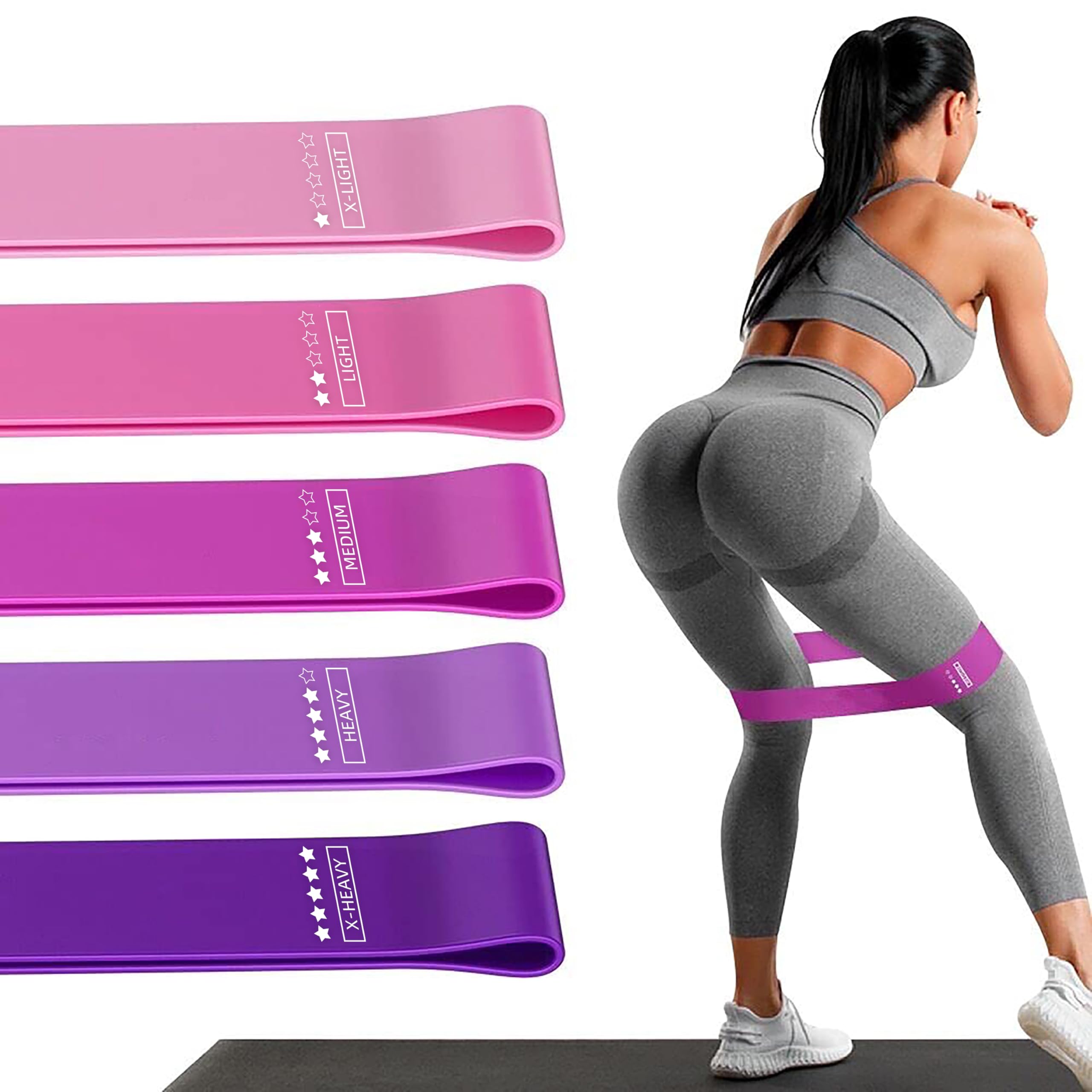
While the fitness market offers various resistance band types – from mini loops ideal for glute activation to tube bands with handles designed to mimic cable machines – long loop resistance bands stand out for their comprehensive utility. When choosing a long loop band, you’ll primarily consider its material and resistance level.
Long loop bands are commonly made from either latex or fabric. Latex bands offer excellent elasticity and are often preferred for upper body exercises, explosive movements, and general flexibility training due to their superior stretch. Fabric bands, on the other hand, are typically wider, more durable, and less prone to rolling up or pinching the skin, making them ideal for lower body exercises where comfort and stability are key.
Resistance levels are crucial and are usually indicated by color-coding and the band’s thickness or width. Lighter, thinner bands provide less resistance, perfect for warm-ups, high-rep exercises, or individuals just starting their fitness journey. As you progress, you’ll move to thicker, wider bands that offer higher resistance, providing a more intense challenge for strength building. It’s often recommended to purchase a set with multiple resistance levels to allow for progressive overload and to target different muscle groups effectively. For instance, a lighter band might be perfect for shoulder mobility, while a heavier one is ideal for assisted pull-ups or squats.
Effective Exercises with Long Loop Resistance Bands for Every Muscle Group
The beauty of long loop resistance bands lies in their ability to target nearly every muscle in your body. Here’s a guide to some highly effective exercises:
Full Body Warm-Up
Start every session with dynamic stretches to prepare your muscles.
- Overhead Side Stretch: Hold the band with both hands overhead, palms facing in. Gently lean to one side, feeling the stretch along your lat and side body. Repeat on the other side.
- Band Pull-Aparts: Hold the band horizontally in front of you with straight arms, hands shoulder-width apart. Pull the band apart by squeezing your shoulder blades together.
Lower Body Workouts
These exercises will fire up your legs and glutes.
- Banded Squats: Stand on the band with both feet, holding the loops at shoulder height. Perform a squat, keeping tension on the band throughout the movement.
- Banded Lunges: Step one foot into the band loop and hold the other end at shoulder height. Step back into a lunge, ensuring the front knee stays over the ankle.
- Glute Bridges: Lie on your back, loop the band around your hips, holding the ends to the floor. Lift your hips, squeezing your glutes, pressing against the band’s resistance.
- Lateral Band Walks: Place the band around your thighs or ankles. Take small, controlled steps sideways, maintaining tension in the band to engage your glutes and outer thighs.
- Single-Leg Deadlifts: Stand on the band with one foot, holding the loops in the opposite hand. Hinge at your hips, extending the free leg straight back while maintaining balance.
Upper Body and Core Engagement
Strengthen your upper body and sculpt your core.
- Overhead Press: Stand on the band with both feet, holding the loops at shoulder height. Press your arms overhead, engaging your shoulders and triceps.
- Bent-Over Rows: Step on the band with both feet, hinge forward slightly. Pull the loops toward your torso, squeezing your back and biceps.
- Bicep Curls: Stand on the band, holding one end in each hand, palms facing up. Curl your hands towards your shoulders, keeping your elbows tucked.
- Tricep Extensions: Hold one end of the band, place your hand behind your neck, and extend the band overhead with the other hand.
- Assisted Pull-Ups: Loop a band around a pull-up bar and place one foot or knee inside the loop. Use the band’s assistance to perform pull-ups, reducing your bodyweight for easier execution.
- Banded Crunches: Anchor the band to a sturdy object, loop it around your chest, and perform crunches with added resistance.
Maximizing Your Workouts: Tips for Effective Long Loop Resistance Band Training
To truly harness the power of long loop resistance bands, keep these expert tips in mind:
- Prioritize Proper Form: Always focus on controlled movements and correct technique over speed or excessive resistance. Poor form can lead to injury and reduce effectiveness.
- Embrace Progressive Overload: As you get stronger, gradually increase the resistance of your band or try more challenging exercises. This continuous challenge is essential for muscle growth and adaptation.
- Vary Your Exercises: Keep your workouts fresh and engage different muscle groups by incorporating a variety of band exercises. This helps prevent plateaus and ensures balanced development.
- Combine with Other Methods: Don’t hesitate to integrate long loop resistance bands with bodyweight exercises, free weights, or even cardio for a well-rounded fitness regimen. For instance, using a band during squats with dumbbells can enhance muscle activation.
- Listen to Your Body: Pay attention to any discomfort or pain. Rest when needed and adjust your routine to avoid overtraining.
The Power of Bands: Benefits for Health and Fitness
Long loop resistance bands offer a cascade of benefits for your overall health and fitness.
Enhanced Strength and Muscle Tone
These bands provide constant tension throughout an exercise, which can lead to greater muscle activation and significant improvements in strength and muscle tone. The resistance curve of bands, which increases as you stretch them, effectively challenges muscles at their strongest point in a movement.
Improved Flexibility and Mobility
Beyond strength, long loop bands are excellent tools for stretching and improving your range of motion. They can assist with deeper stretches and aid in mobility drills, which are crucial for injury prevention and athletic performance.
Joint-Friendly Workouts
Unlike heavy weights that can put significant strain on joints, resistance bands offer a lower-impact alternative. They provide effective muscle stimulus without the compressive forces, making them ideal for individuals with joint issues or those in recovery.
Convenience and Portability
Their compact size means you can literally take your gym with you. Whether you’re at home, in a hotel, or outdoors, a long loop resistance band ensures you never miss a workout.
Aids in Rehabilitation and Injury Prevention
Physical therapists frequently utilize resistance bands for rehabilitation, helping individuals regain strength and mobility after injuries. By strengthening stabilizing muscles, these bands also play a vital role in preventing future injuries.
Seamless Integration: Adding Long Loop Resistance Bands to Your Daily Routine
Incorporating long loop resistance bands into your daily fitness routine is straightforward and highly effective.
- Warm-ups and Cool-downs: Use a light resistance band for dynamic stretches before your main workout to prime your muscles, and for static stretches during your cool-down to improve flexibility.
- Standalone Workouts: Design full-body band workouts for days when you can’t get to the gym or prefer to exercise at home. A 30-minute session with varied band exercises can be incredibly effective.
- Supplementing Weight Training: Add bands to traditional weightlifting exercises like squats, deadlifts, or bench presses to introduce accommodating resistance, challenging your muscles differently and promoting new growth.
- Travel-Friendly Fitness: Pack a long loop band in your suitcase for a reliable workout companion on the go, ensuring consistency in your fitness journey regardless of your location.
Frequently Asked Questions
Are long loop resistance bands effective for building muscle?
Absolutely! Long loop resistance bands are highly effective for building muscle, especially when choosing higher resistance levels and focusing on proper form and progressive overload. They provide constant tension that challenges your muscles throughout the entire range of motion, stimulating growth.
How do I choose the right resistance level?
Start with a lighter band to master the exercise form. As you get stronger, progress to bands with higher resistance. Many brands color-code their bands, with lighter colors typically indicating less resistance and darker colors more.
Can beginners use long loop resistance bands?
Yes, long loop resistance bands are excellent for beginners. They allow for controlled movements, help build foundational strength, and are gentle on joints, making them a safe and effective starting point for anyone new to fitness.
What’s the difference between long loop and short loop resistance bands?
Long loop resistance bands are much longer, providing greater versatility for full-body exercises, pull-up assistance, and stretching. Short loop bands (mini bands) are smaller and primarily used for targeted exercises, especially for glute activation and lower body movements.
Are fabric or latex long loop bands better?
Both materials have benefits. Latex bands offer more stretch and are great for a wider range of motion and explosive movements. Fabric bands are more durable, comfortable against the skin, and less likely to roll up, making them excellent for lower body exercises. The “better” choice depends on your specific exercise and comfort preference.
Can I use long loop resistance bands for pull-up assistance?
Yes, long loop resistance bands are widely used for pull-up assistance. By looping the band around a pull-up bar and placing your foot or knee into the band, it helps support some of your body weight, making pull-ups more accessible as you build strength.
Take the Loop: Transform Your Fitness Journey
Long loop resistance bands are more than just elastic straps; they are powerful, versatile tools that can unlock new levels of strength, flexibility, and overall fitness. From boosting muscle tone and enhancing mobility to offering a portable workout solution, these bands are an indispensable asset for anyone committed to a “Sức Mạnh Bền Bỉ” lifestyle. Don’t underestimate their potential – integrate them into your routine today and experience the transformative difference they can make. Your stronger, more resilient self awaits!