Stepping into the world of fitness often feels like navigating a maze of heavy machinery and complex routines. But what if there was a simple, incredibly versatile tool that could transform your workouts, offering powerful results without the bulk? Enter Loop Resistance Bands – the compact fitness heroes that are reshaping how we train, recover, and build a stronger, more resilient body. These unassuming elastic loops might just be the secret weapon you’ve been searching for to elevate your fitness journey, whether you’re a seasoned athlete or just starting out.
What Are Loop Resistance Bands and Why Are They Popular?
At their core, loop resistance bands are continuous, circular elastic bands made from durable materials like latex or fabric. Unlike traditional free weights that rely on gravity, these bands provide resistance by creating tension as they stretch. This “variable resistance” means the tension increases as you extend the band, effectively challenging your muscles throughout the entire range of motion.
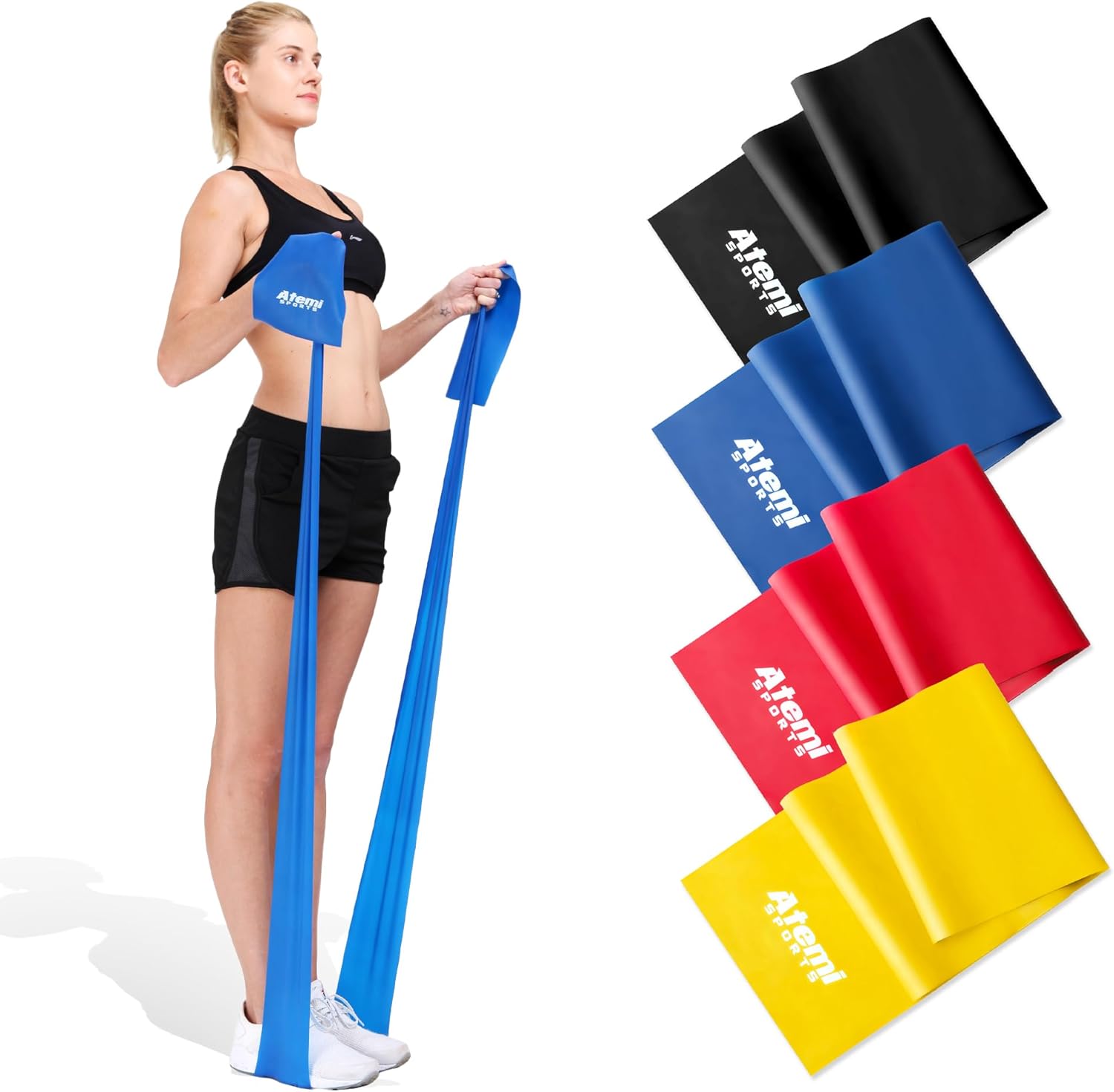
Their surging popularity stems from a multitude of benefits. They’re incredibly versatile, allowing you to target every major muscle group with a single set. Their portability is unmatched; lightweight and compact, they fit easily into any bag, making them perfect for home workouts, travel, or even quick office breaks. Plus, they offer a cost-effective alternative to bulky gym equipment, providing a full-body workout without breaking the bank. Loop resistance bands are also joint-friendly, offering a low-impact way to build strength and improve flexibility, which is especially beneficial for those with joint pain or during injury rehabilitation.
Different Types of Loop Resistance Bands and How to Choose the Right One
Not all loop resistance bands are created equal. Understanding the different types and how to select the best one for your needs is crucial for an effective workout.
Materials:
- Latex Bands: These are the most common, known for their high elasticity and wide range of resistance levels. They offer excellent stretch and are typically color-coded for resistance (e.g., yellow for extra light, black for extra heavy).
- Fabric Bands (Booty Bands/Hip Circles): Often shorter and wider, these bands incorporate elastic fabric, making them non-slip and more comfortable against the skin, especially for lower body exercises. They are praised for not rolling up or sliding during workouts.
Resistance Levels:
Resistance levels are usually indicated by color, though the specific resistance values can vary between brands. Bands typically range from extra light to extra heavy.
- Extra Light/Light: Ideal for warm-ups, rehabilitation, gentle stretching, and targeting smaller muscle groups like shoulders or glutes for activation.
- Medium: Great for general fitness, functional strength, and challenging exercises like squats and presses.
- Heavy/Extra Heavy: Best for strength progression, targeting larger muscle groups, and for assisted pull-ups or advanced lifts.
Length and Width:
- Short Loop Bands (Mini Bands): These are typically 9-12 inches long and 2 inches wide, perfect for targeted movements, especially for the legs, glutes, and hips.
- Long Loop Bands (Power Bands/Pull-Up Bands): These are much longer, often 40 inches or more in circumference, offering greater versatility for full-body workouts, assisted pull-ups, and exercises requiring anchor points.
How to Choose:
“The key is to match the band’s resistance level to your current strength and the specific exercise,” advises Dr. Evelyn Reed, a seasoned sports physiotherapist. “If you’re a beginner, start with lighter bands and focus on form. You can always progress to heavier ones as you get stronger.” Consider buying a set with varying resistance levels to accommodate different exercises and muscle groups. For lower body workouts where bands might roll, fabric loop bands are often preferred.
Effective Exercises with Loop Resistance Bands for Various Muscle Groups
Loop resistance bands can intensify almost any bodyweight exercise, making your muscles work harder and smarter.
Lower Body:
- Banded Squats: Place a band just above your knees. As you squat, push your knees outwards against the band, engaging your glutes and hips. Aim for 3 sets of 10-15 reps.
- Glute Bridges: Lie on your back with knees bent, feet flat, and a band above your knees. Lift your hips, squeezing your glutes, and push out against the band. This targets the glutes and hamstrings. Perform 3 sets of 12-15 reps.
- Lateral Walks (Monster Walks): Place a band around your ankles or just above your knees. Maintain a slight squat, take controlled steps sideways, keeping tension on the band. Excellent for hip abductors. Do 3 sets of 10-12 steps in each direction.
- Clamshells: Lie on your side with a band above your knees, knees bent. Keeping your feet together, lift your top knee, engaging your glutes. This isolates the gluteus medius. Try 3 sets of 10-12 reps per side.
- Donkey Kicks: In a quadruped position, place a band around your feet or just above your knees. Kick one leg back and up, squeezing your glutes. Complete 3 sets of 10-12 reps per leg.
Upper Body:
- Bicep Curls: Stand on a long loop band with both feet, holding the top end in one or both hands, palms facing up. Curl your hands towards your shoulders, keeping elbows tucked in. Perform 3 sets of 10-15 reps.
- Tricep Extensions: Hold a long loop band behind your head, one hand anchoring it at your back, the other extending overhead. Push the top hand upwards to straighten your arm, working the triceps. Aim for 3 sets of 10-15 reps per arm.
- Shoulder Press: Stand on a long loop band, holding the ends at shoulder height. Press your arms overhead, extending against the band’s resistance. Do 3 sets of 10-12 reps.
- Rows (Bent-Over/Seated): Anchor a long loop band around a sturdy object or under your feet. Pull the band towards your core, squeezing your shoulder blades together. Perform 3 sets of 10-15 reps.
- Lateral Raises: Stand on a band with feet together, holding an end in each hand. With a slight bend in your elbows, raise your arms out to the sides until they reach shoulder height. Try 3 sets of 10-15 reps.
Tips to Maximize Workout Effectiveness and Prevent Injuries
Getting the most out of your loop resistance band workouts involves more than just stretching the band.
- Always Warm Up: Before any resistance band workout, spend 5-10 minutes warming up your muscles with light cardio or dynamic stretches. You can even use a lighter resistance band for warm-up movements.
- Focus on Proper Form: Quality over quantity is paramount. Maintain good posture, engage your core, and ensure your movements are controlled. Incorrect form can reduce effectiveness and lead to injury. If a move feels too intense with a band, practice it without the band first.
- Controlled Movements: Resist the urge to let the band snap back quickly. Control both the stretching (concentric) and returning (eccentric) phases of each exercise to maximize muscle engagement and prevent injury.
- Check for Wear and Tear: Inspect your bands before each use for any cracks, tears, or signs of deterioration. A damaged band can snap during use and cause injury.
- Listen to Your Body: You should feel muscle engagement and fatigue, but not sharp or persistent pain. If an exercise causes pain, stop, adjust your form, or switch to a lighter band.
- Progressive Overload: As you get stronger, gradually increase the resistance by using a thicker band, shortening the band by gripping closer, or increasing the number of reps and sets.
- Breathe Deeply: Inhale during the less strenuous part of the movement and exhale during exertion.
The Health and Fitness Benefits of Loop Resistance Band Training
Incorporating loop resistance bands into your routine offers a treasure trove of benefits that extend beyond just muscle building.
- Enhanced Strength and Endurance: Resistance bands provide continuous tension, challenging your muscles throughout the entire movement, which effectively builds both strength and endurance over time.
- Improved Flexibility and Mobility: Stretching with loop bands can increase your range of motion, reduce muscle stiffness, and improve overall flexibility, aiding in injury prevention and promoting better joint health.
- Greater Muscle Activation: The constant tension ensures that your muscles are engaged throughout the entire exercise, leading to more effective muscle development and improved muscle tone.
- Better Posture and Balance: Many band exercises require core engagement and stability, strengthening the muscles that support good posture and improving overall balance and coordination.
- Injury Prevention and Rehabilitation: Physical therapists frequently use resistance bands for rehabilitation due to their ability to provide light, targeted resistance that protects joints while rebuilding strength and function.
- Low-Impact Workout: For individuals with joint pain or those seeking to reduce impact, resistance bands offer an excellent way to maintain fitness without putting excessive strain on joints.
Integrating Loop Resistance Bands into Your Daily Routine
The beauty of loop resistance bands lies in their adaptability, making it easy to weave them into almost any part of your day.
- Morning Stretch Routine: Start your day with gentle band-assisted stretches for shoulders, chest, and legs to improve flexibility and increase blood flow.
- Office Workout Breaks: Keep a mini loop band at your desk for quick seated rows, shoulder presses, or leg curls to counteract prolonged sitting and improve posture.
- Full-Body Workouts: Dedicate a few days a week to comprehensive full-body workouts using a variety of loop band exercises for all major muscle groups.
- Add Resistance to Walks: For an extra challenge, wrap a band around your thighs or ankles during your daily walk and perform side steps or leg lifts to strengthen lower body muscles.
- Evening Relaxation and Recovery: Wind down with gentle band stretches for hamstrings, hips, and chest to release tension and improve sleep quality.
No matter your fitness level or lifestyle, loop resistance bands are a fantastic tool for building strength, enhancing flexibility, and improving overall well-being. They empower you to take control of your fitness, offering a powerful, portable gym that fits right in your pocket. Embrace the versatility, listen to your body, and unlock a stronger you with these incredible bands.