Hey there, fitness enthusiast! Have you ever felt a little left out of the resistance band craze because of a pesky latex allergy? Or maybe you’re just looking for an alternative that feels great and performs consistently? You’re in the right place! Non-latex resistance bands are a fantastic game-changer, offering all the incredible benefits of resistance training without any of the worry. They’re quickly becoming a favorite for everyone, from rehabilitation patients to seasoned athletes, carving out their own vital niche in the fitness world.
These clever little tools are far more than just stretchy pieces of rubber; they’re incredibly versatile companions for building strength, boosting flexibility, and aiding in recovery. Whether you’re working out in your living room, hitting the gym, or traveling, non-latex resistance bands provide effective, low-impact workouts that are kind to your joints and tough on your muscles. Ready to dive deep into how these innovative bands can transform your fitness journey, making it safer and more enjoyable than ever? Let’s get to it!
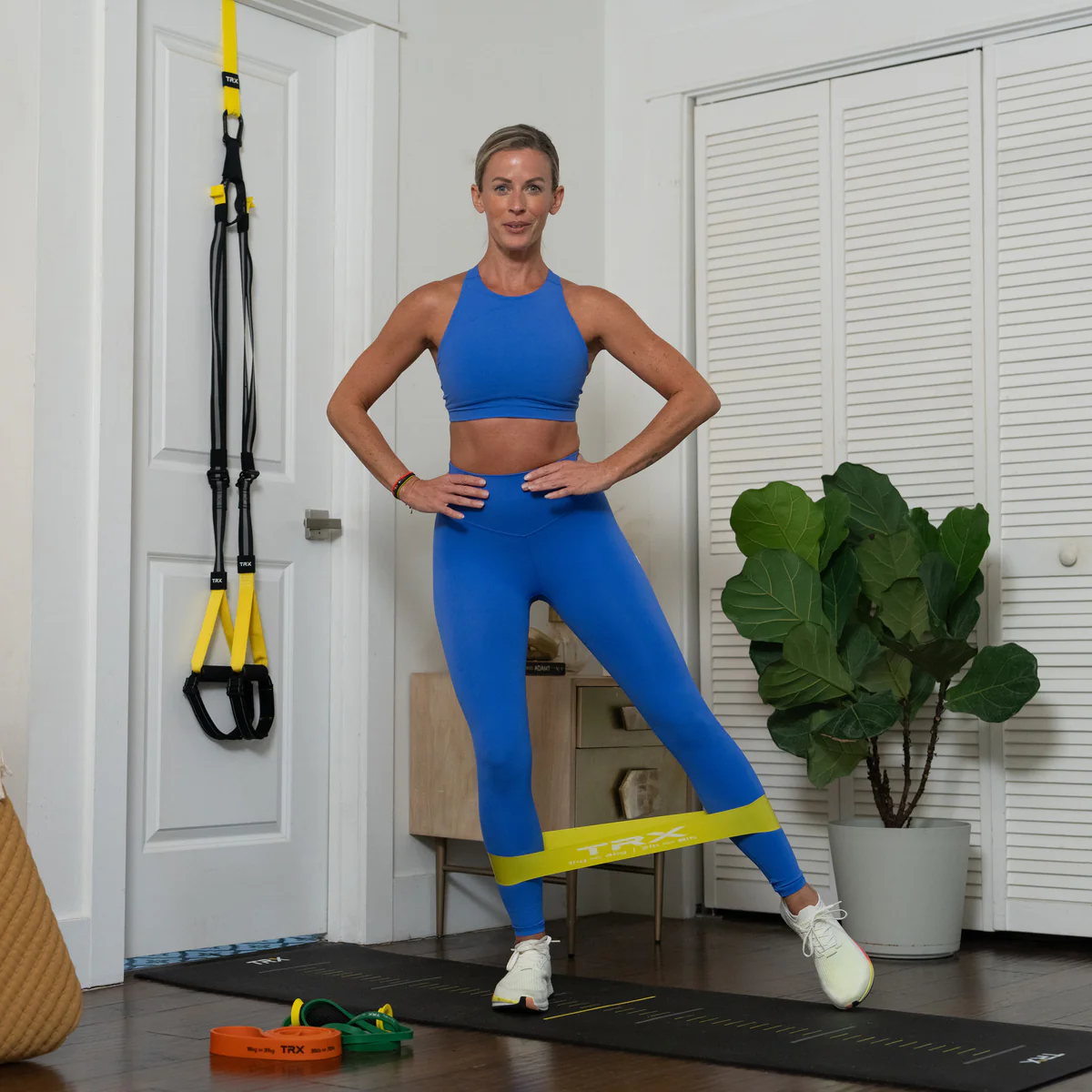
What Exactly Are Non-Latex Resistance Bands?
First things first, let’s clear up what we mean by “non-latex.” Traditional resistance bands are often made from natural rubber latex, which, while effective, can cause allergic reactions in some individuals, ranging from skin irritation to more severe responses. That’s where non-latex resistance bands come into play.
These bands are crafted from synthetic materials like Thermoplastic Elastomers (TPE), fabric, or sometimes silicone. This thoughtful choice of material ensures they are completely hypoallergenic, making them a safe and comfortable option for anyone with latex allergies or sensitive skin. But their benefits don’t stop there! Many non-latex bands are also naturally odor-free, eliminating that distinct rubbery smell that some find unpleasant. Plus, they tend to be more resilient against environmental factors like heat and UV light, which can help them last longer and maintain their resistance over time. It’s about getting a great workout without compromising on comfort or safety.
Decoding the Different Types: Choosing Your Perfect Non-Latex Band
With a growing variety of non-latex options available, picking the right band can feel a bit like choosing your favorite candy in a sweet shop – exciting, but where do you start? Understanding the different materials and styles will help you find the perfect fit for your fitness goals.
Material Matters: TPE, Fabric, and Silicone
The core material of your non-latex resistance band plays a huge role in its feel, durability, and how you’ll use it.
- Thermoplastic Elastomers (TPE): Think of TPE as the versatile workhorse of the non-latex world. These synthetic rubber bands offer good elasticity and durability, often at a more accessible price point. They are excellent for a wide range of exercises and come in various resistance levels. While some TPE bands might offer slightly less stretch than their latex counterparts, advancements in manufacturing mean many provide a remarkably similar performance. They’re easy to clean and often come in vibrant, fun colors, adding a little pop to your workout gear.
- Fabric Bands: These are a true game-changer, especially for lower-body workouts. Made from woven or knitted fabrics like nylon or polyester, fabric bands are renowned for their comfort. They feel soft against the skin, won’t roll up or pinch during exercises, and offer a fantastic non-slip grip. Because they’re less stretchy, they provide a very stable and intense resistance, making them perfect for isolating glutes and hips. However, this limited stretch can make them less ideal for some upper body movements where a greater range of motion is needed.
- Silicone Bands: Though less common, silicone bands offer a unique set of advantages. They boast a non-porous surface, making them resistant to moisture and sweat, which translates to easy cleaning and maintenance. Silicone also performs consistently across various temperatures and is generally very skin-friendly, providing a smooth feel. If you’re looking for something truly unique and durable, a silicone option might be worth exploring.
Shape and Purpose: Loops, Tubes, and Power Bands
Beyond the material, the shape of your non-latex resistance band dictates its primary use.
- Mini Loop Bands: These are smaller, circular bands, often made from fabric or TPE. They’re fantastic for targeted lower-body work, such as glute activation, lateral walks, hip abductions, and “crab walks.” They typically sit around your ankles, knees, or thighs, adding resistance to movements you already love.
- Long Bands / Tube Bands with Handles: These longer bands, typically TPE or synthetic rubber, usually come with attachable handles, door anchors, and ankle straps. This design makes them incredibly versatile for full-body workouts. You can use them for exercises you’d normally do with dumbbells, like bicep curls, tricep extensions, shoulder presses, and rows. With a door anchor, you can mimic cable machine exercises right at home.
- Flat Rehab Bands: These are long, flat strips of non-latex material, often used in physical therapy for gentle stretching, mobility work, and injury rehabilitation. Their pliable nature allows for precise, controlled movements, making them ideal for delicate joints and gradual strengthening.
- Power Bands / Pull-Up Bands: These are heavier-duty, continuous loops, often thicker than mini loops, and typically made from TPE. They’re fantastic for advanced strength training, assisting with pull-ups, adding resistance to squats and deadlifts, and improving explosive power. They come in varying thicknesses, with thicker bands offering more assistance or resistance.
Finding Your Flow: Resistance Levels and Comfort
Resistance bands come in a spectrum of resistance levels, usually indicated by color. While the specific color-to-resistance correlation can vary between brands, a common progression might be: Yellow (Extra Light), Red (Light), Green (Medium), Blue (Heavy), and Black/Purple (Extra Heavy). It’s incredibly beneficial to have a set of bands covering different resistance levels. This allows you to tailor the intensity to specific exercises and muscle groups – using a lighter band for shoulder work and a heavier one for leg exercises, for instance.
Comfort is also key. Fabric bands are lauded for their soft, non-slip feel, which prevents rolling and pinching. TPE bands offer a smooth, consistent stretch. Consider your skin sensitivity and preferred texture when making your choice. A band that feels good in your hands and against your body will encourage more consistent use and a more enjoyable workout experience.
Unleash Your Strength: Effective Non-Latex Resistance Band Exercises
The beauty of non-latex resistance bands is that they can be integrated into virtually any exercise to add challenge, assist movement, or target specific muscles. Here are some fantastic exercises you can do with your non-latex bands, hitting all your major muscle groups.
Targeting Your Upper Body
- Bicep Curls: Stand on the middle of a tube band with handles, holding a handle in each hand, palms facing forward. Curl your hands towards your shoulders, squeezing your biceps. Slowly lower.
- Tricep Extensions: Anchor a tube band overhead (e.g., in a door anchor). Grasp the handles and extend your arms downwards, engaging your triceps. Alternatively, hold one end of a loop band behind your head and extend your arm upwards.
- Chest Press: With a long loop band behind your back and under your armpits, hold one end in each hand. Press your hands forward from your chest, engaging your pectoral muscles.
- Back Rows: Loop a tube band around a sturdy object (or stand on it). Pull the handles towards your torso, squeezing your shoulder blades together.
- Lateral Raises: Stand on a loop band with one foot, holding the other end in the hand on the same side. Raise your arm out to the side until it’s parallel with the floor, focusing on your shoulder muscles.
Sculpting Your Lower Body
- Squats: Place a mini loop band just above your knees. Perform squats as usual, pushing your knees outwards against the band to engage your glutes more.
- Glute Bridges: Lie on your back with a mini loop band above your knees. Lift your hips off the floor, pressing your knees out against the band.
- Lateral Walks: Place a mini loop band around your ankles or just above your knees. Get into a slight squat stance and step sideways, maintaining tension on the band.
- Leg Press: If using a tube band with handles, sit on the floor, loop the band around your feet, and push your legs out straight, mimicking a leg press machine.
- Fire Hydrants: On all fours with a mini loop band above your knees, lift one knee out to the side, keeping the 90-degree bend.
Engaging Your Core
- Bicycle Crunches: Lie on your back with a mini loop band around your feet. As you perform bicycle crunches, the band adds resistance to your leg movements, intensifying the core engagement.
- Russian Twists: While seated with a slight lean back, hold a resistance band taut in front of you. Twist your torso from side to side, engaging your obliques.
Elevate Your Workouts: Tips for Maximizing Effectiveness and Safety
To truly get the most out of your non-latex resistance bands and keep your fitness journey on track, a few key tips can make all the difference.
“Resistance bands are fantastic tools for everyone, but knowing how to use them correctly is paramount,” advises Clara Henderson, a certified strength and conditioning specialist. “Always start with a resistance level that allows you to maintain perfect form, and don’t be afraid to progress slowly. Your muscles respond best to controlled, intentional movement, not just brute force.”
- Master the Form First: Before increasing resistance, ensure your technique is spot-on. Quality of movement trumps quantity. Focus on slow, controlled repetitions to fully engage the target muscles.
- Listen to Your Body and Progress Gradually: Start with a lighter resistance band and only move up to a heavier one when you can comfortably complete the desired reps with good form. Pushing too hard too soon can lead to strain or injury.
- Anchor Safely: If your exercise requires anchoring the band (e.g., to a door), always double-check that the anchor is secure and the band is free from any sharp edges that could cause damage.
- Regularly Inspect Your Bands: Before every workout, give your bands a quick once-over. Look for any signs of wear and tear, such as small tears, nicks, or thinning spots. If a band shows significant damage, it’s time to replace it to prevent snapping during use.
- Proper Care and Storage: Non-latex bands are generally more durable against environmental elements, but proper care extends their life. Wipe them down with a mild soap and water solution after sweaty workouts. Store them in a cool, dry place away from direct sunlight or extreme temperatures. Avoid leaving them stretched for prolonged periods.
Beyond the Workout: The Broad Benefits of Non-Latex Resistance Training
Incorporating non-latex resistance bands into your routine offers a treasure trove of benefits that extend far beyond simply building muscle.
- Comprehensive Strength Development: These bands provide constant tension throughout an exercise, challenging your muscles differently than free weights. This continuous engagement can lead to improved muscle activation and more effective strength gains across all major muscle groups.
- Enhanced Flexibility and Mobility: Resistance bands are excellent for warm-ups and cool-downs, helping to gently increase your range of motion and improve overall flexibility. They can assist in deeper stretches or add resistance to mobility drills, promoting healthier, more agile joints.
- Injury Prevention and Rehabilitation: Often used in physical therapy, bands allow for low-impact, controlled movements that strengthen stabilizing muscles around joints. This can significantly reduce the risk of future injuries and is invaluable for safely recovering from existing ones.
- Improved Balance and Coordination: Many band exercises, especially those for the lower body and core, require you to stabilize your body against the band’s resistance. This constantly works your balance and proprioception, making everyday activities easier and reducing the risk of falls.
- Accessibility and Versatility: Non-latex resistance bands are incredibly portable and affordable, making them a perfect fitness solution for anyone, regardless of space, budget, or fitness level. They offer a gym-quality workout that you can take anywhere.
Seamless Integration: Adding Non-Latex Bands to Your Daily Routine
One of the greatest advantages of non-latex resistance bands is how easily they fit into any lifestyle. You don’t need to dedicate hours to a separate “band workout” – they can seamlessly enhance your existing routine.
Consider starting your day with a quick band-assisted stretch or a few glute activation exercises to wake up your body. If you’re heading to the gym, toss a few loop bands in your bag to add to your squat or deadlift warm-up. For those days when time is tight or you can’t make it to a fitness center, a full-body resistance band workout at home is a fantastic, effective alternative. You can use them to add resistance to classic bodyweight exercises like squats, push-ups (by looping a band across your back and holding the ends), or lunges. They’re also brilliant for travel, allowing you to maintain your fitness regimen even when you’re far from your usual equipment. Having a varied set means you’ll always have the right tool to target different muscle groups or adjust the intensity, keeping your workouts fresh and challenging.
Frequently Asked Questions About Non-Latex Resistance Bands
Are non-latex resistance bands as effective as latex?
Absolutely! While some specific elasticity characteristics might differ slightly by material, high-quality non-latex resistance bands made from TPE or fabric provide effective resistance for building strength, improving flexibility, and supporting rehabilitation, just like their latex counterparts. Their effectiveness largely depends on consistent use and proper technique.
What are non-latex resistance bands typically made of?
Non-latex resistance bands are usually made from synthetic materials such as Thermoplastic Elastomers (TPE), woven fabrics (like polyester or nylon), or occasionally silicone. These materials are chosen for their hypoallergenic properties, durability, and performance characteristics.
How do I clean my non-latex resistance bands?
Cleaning is simple! For TPE or silicone bands, a quick wipe down with a damp cloth and mild soap after each use is usually sufficient. Fabric bands can often be hand-washed with mild detergent and air-dried. Always check the manufacturer’s specific care instructions for your bands.
Can I use non-latex resistance bands for physical therapy?
Yes, non-latex resistance bands are widely used in physical therapy and rehabilitation settings. Their ability to provide progressive, controlled resistance makes them ideal for safely strengthening muscles, increasing range of motion, and aiding recovery from injuries.
How many non-latex resistance bands do I need?
For a comprehensive workout, it’s generally recommended to have a set of at least 3-5 bands with varying resistance levels (e.g., light, medium, heavy). This allows you to choose the appropriate resistance for different exercises and muscle groups, and to progress as you get stronger.
Are fabric resistance bands truly latex-free?
Yes, fabric resistance bands are inherently latex-free because they are made from woven synthetic fabrics like polyester or nylon. This makes them an excellent choice for individuals with latex allergies, offering a comfortable and non-slip workout experience.
Embrace Your Allergy-Free Fitness Journey
So, there you have it! Non-latex resistance bands are a powerful, inclusive, and incredibly versatile tool that deserves a prime spot in your fitness arsenal. They dispel the myth that effective resistance training is off-limits for those with latex allergies, opening up a world of possibilities for everyone. From their hypoallergenic materials and odor-free nature to their various types and incredible exercise potential, these bands are designed to support your health and fitness goals with comfort and confidence.
Don’t let allergies or outdated notions hold you back. Grab a set of non-latex resistance bands, experiment with the different types and exercises, and discover how truly liberating and effective your workouts can be. We encourage you to try them out, see the fantastic results for yourself, and share your journey with the “Sức Mạnh Bền Bỉ” community. Here’s to strong, healthy, and allergy-free living!