Imagine a versatile tool that can gently guide your body back to strength, restore your range of motion, and empower your healing journey, all from the comfort of your home. That’s precisely the magic of Physical Therapy Resistance Bands. These unassuming elastic tools have revolutionized rehabilitation, offering a practical, effective, and accessible way to recover from injuries, manage chronic conditions, and build lasting strength. Whether you’re a seasoned athlete bouncing back from an setback or simply looking to enhance your mobility and well-being, incorporating physical therapy resistance bands into your routine can be a game-changer. They are often the secret ingredient physical therapists use to help patients rebuild without the intimidation or high impact of traditional weights.
What Are Physical Therapy Resistance Bands and Why Are They So Popular?
At their core, physical therapy resistance bands are simply elastic strips or loops made from rubber or fabric, designed to provide varying levels of tension when stretched. Unlike free weights, which rely on gravity, resistance bands engage your muscles by creating constant tension throughout the entire range of motion of an exercise. This unique quality makes them incredibly effective for rehabilitation.
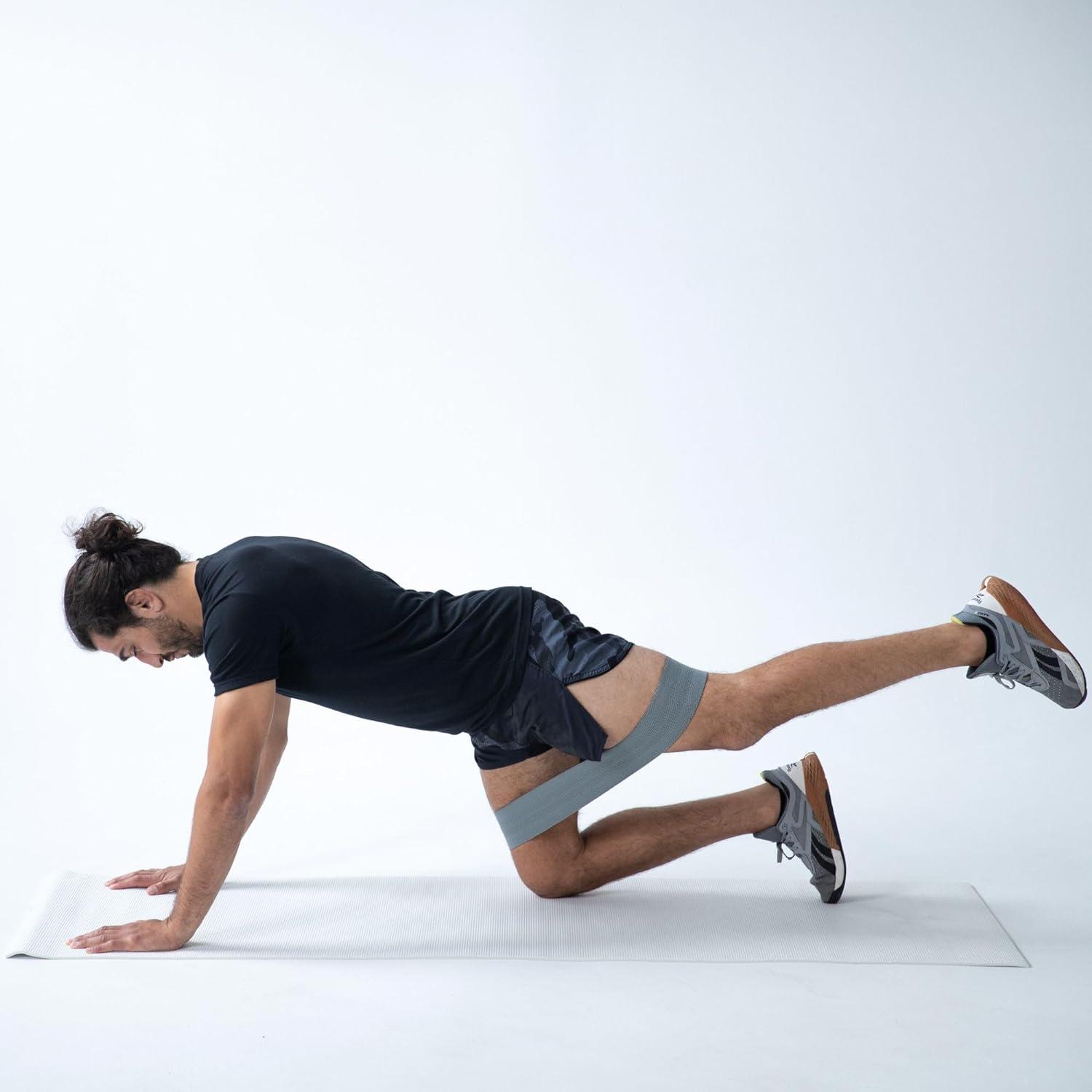
So, why have physical therapy resistance bands become such a cornerstone in recovery programs? Their popularity stems from several key advantages. They offer a controlled, progressive challenge that adapts to your body’s specific needs, allowing therapists to tailor exercises precisely. This means you can begin with minimal resistance and gradually increase the intensity as your strength and mobility improve, ensuring a safe and steady path to recovery. Their low-impact nature also makes them incredibly joint-friendly, a crucial benefit for those navigating injury or delicate post-operative phases.
The Transformative Benefits of Resistance Bands in Rehabilitation
Integrating physical therapy resistance bands into your recovery program offers a myriad of benefits, addressing various aspects of physical healing and long-term health.
Improved Strength and Endurance
Resistance bands provide a dynamic way to challenge your muscles, leading to significant gains in both strength and endurance. The constant tension forces your muscles to work harder through both the concentric (shortening) and eccentric (lengthening) phases of an exercise, promoting comprehensive muscle development that might be missed with fixed weights. This is particularly vital for rebuilding weakened areas post-injury.
Enhanced Flexibility and Range of Motion
One of the primary goals in physical therapy is often to restore and improve flexibility and joint range of motion. Resistance bands excel here, allowing for controlled stretching and movement patterns that gently push your limits. They help to lengthen tight muscles and mobilize stiff joints, enabling smoother, pain-free movement over time.
Joint-Friendly and Low-Impact
For individuals recovering from injury, managing arthritis, or dealing with sensitive joints, high-impact exercises can exacerbate pain. Resistance bands offer a low-impact alternative that minimizes stress on your joints and tendons. This makes them an ideal choice for safely rebuilding strength and stability without the heavy loading associated with dumbbells or machines.
Portability and Convenience for Home Therapy
Resistance bands are lightweight, compact, and incredibly portable. They can easily fit into a small bag, making them perfect for continuing your therapy exercises at home, in the office, or even while traveling. This convenience removes barriers to consistent adherence, which is critical for successful long-term rehabilitation.
Progressive Resistance for Tailored Recovery
A key advantage of resistance bands is their adjustable resistance. They come in various colors, each typically corresponding to a different tension level. This allows your physical therapist to prescribe bands that match your current strength and then gradually increase the resistance as you progress. This progressive overload ensures you’re continually challenged without risking overuse or re-injury.
Targeted Muscle Activation and Stabilization
Resistance bands are excellent for isolating specific muscle groups that may have weakened due to injury or disuse. They also engage smaller, stabilizing muscles around your joints, which are crucial for overall stability and injury prevention. This targeted activation helps correct muscular imbalances, leading to a more robust and resilient body.
Cost-Effective Solution
Compared to expensive gym memberships or bulky home gym equipment, resistance bands are remarkably affordable. This accessibility ensures that quality rehabilitation tools are within reach for nearly everyone, promoting a continuous and unhindered recovery journey.
Navigating the World of Resistance Bands: Types and How to Choose
The market offers a variety of resistance band types, each suited for different exercises and rehabilitation needs. Understanding these differences is key to making the best choice for your recovery.
Flat Resistance Bands (Therapy Bands)
These are typically long, flat strips of latex or latex-free material, often dispensed by physical therapists. They usually come in a color-coded system (e.g., yellow for extra light, red for light, green for medium) to indicate resistance levels. Therapy bands are incredibly versatile, ideal for gentle stretches, light resistance work, and isolating smaller muscle groups for fine-tuning movement control. They are excellent for early-stage rehab and improving overall flexibility.
Loop Bands (Mini Bands & Fabric Bands)
Loop bands are continuous circular bands. Mini bands are smaller loops, perfect for exercises targeting the lower body, particularly the glutes, hips, and thighs. They are commonly used for exercises like glute bridges, lateral walks, and clamshells. Fabric loop bands, a popular variation, are made with a blend of fabric and elastic, which helps prevent rolling up during exercises and offers a more comfortable feel against the skin. These are fantastic for building lower-body strength and stability.
Tube Bands with Handles
These bands feature a tubular shape with handles at each end, often accompanied by door anchors and ankle straps. The handles provide a comfortable grip, making them ideal for a wide range of upper-body exercises such as bicep curls, chest presses, and rows. They mimic many gym machine movements but with the added benefit of portability and constant tension.
Power/Assist Bands
Power bands are larger, thicker loop bands with significantly higher resistance levels. While often used for strength training and CrossFit (e.g., pull-up assistance), they can also be valuable in later stages of physical therapy for compound movements or for individuals requiring substantial resistance to rebuild strength after significant recovery.
Choosing the Right Band
Selecting the correct resistance level is paramount for a safe and effective rehabilitation program. Starting with a band that is too heavy can lead to improper form, strain, or even re-injury, while a band that is too light might not provide sufficient challenge for progress. Always begin with a lower resistance level and gradually increase it as your strength improves and your physical therapist advises. The color-coding is a general guide, but resistance can vary between brands, so a hands-on assessment is best. Consulting with a physical therapist is highly recommended to ensure you are using the appropriate band type and resistance for your specific condition and recovery goals.
Effective Exercises with Physical Therapy Resistance Bands for Targeted Recovery
Resistance bands can be integrated into a wide array of exercises to target different muscle groups, supporting comprehensive rehabilitation. Here are some examples:
For Lower Body & Core Rehabilitation
- Banded Squats: Place a loop band just above your knees. Stand with feet hip-width apart and perform squats, pushing your knees out against the band to activate glutes.
- Glute Bridges: Lie on your back with knees bent, feet flat, and a loop band above your knees. Lift your hips, pressing your knees gently outward against the band.
- Lateral Walks: Place a loop band around your ankles or just above your knees. Maintain a slight squat, and take small, controlled steps sideways, keeping tension on the band.
- Clamshells: Lie on your side with knees bent and stacked, a loop band above your knees. Keeping your feet together, open your top knee like a clamshell, engaging your glutes.
For Upper Body & Shoulder Recovery
- Standing Rows: Anchor a tube band to a sturdy object at chest height. Hold the handles with arms extended, then pull your elbows back towards your ribs, squeezing your shoulder blades.
- External Rotations (Rotator Cuff): Anchor a tube band at waist height. Hold one handle with your elbow bent at 90 degrees, tucked against your side. Rotate your forearm outwards, away from your body, against the band’s resistance.
- Bicep Curls: Stand on the middle of a tube band, holding a handle in each hand. Keep elbows tucked and curl your hands towards your shoulders.
- Lat Pull Downs: Anchor a tube band overhead. Kneel facing the anchor, grip handles with arms extended overhead. Pull the bands down towards your shoulders, engaging your back muscles.
Strengthening Your Core
- Pallof Press: Anchor a tube band to a sturdy object at chest height. Stand perpendicular to the anchor, holding the band with both hands at your chest. Press the band straight forward, resisting the rotational pull.
- Resistance Band Crunches: Loop a band around your feet and hold the ends behind your head, or anchor it behind you and hold the ends. Perform crunches against the band’s resistance.
Maximizing Your Rehabilitation: Tips for Effective and Safe Band Use
To get the most out of your physical therapy resistance bands and ensure a safe recovery, keep these essential tips in mind.
Start with a Proper Warm-up
Always begin your session with a light warm-up to prepare your muscles and joints. This could include a few minutes of light cardio like marching in place, followed by some dynamic stretches relevant to your planned exercises. A warm-up increases blood flow and improves muscle elasticity, reducing the risk of injury.
Focus on Controlled Movements and Good Form
With resistance bands, quality of movement trumps quantity. Perform each exercise slowly and with control, paying close attention to your form. Avoid jerky movements or letting the band snap back quickly. The eccentric (lengthening) phase of the movement is just as important as the concentric (shortening) phase, particularly in rehabilitation, as it helps build control and stability.
Gradual Progression is Key
Your recovery is a marathon, not a sprint. Start with a resistance level that allows you to complete the exercises with good form and without pain. As you get stronger, you can gradually increase the resistance by choosing a heavier band, shortening the band, or increasing the number of repetitions or sets. Patience and consistency will yield the best results.
Listen to Your Body and Avoid Pain
While some muscle fatigue is normal, you should never push through sharp or increasing pain. Pain is your body’s signal that something isn’t right. If an exercise causes pain, stop immediately and consult with your physical therapist. They can adjust your program or suggest modifications to ensure your safety and continued progress.
Regularly Inspect Your Bands
Resistance bands can wear out over time, especially with frequent use. Regularly inspect your bands for any nicks, tears, or signs of fraying. A damaged band can snap during an exercise, potentially causing injury. Replace worn bands promptly to maintain safety and effectiveness.
“Many people underestimate the power of a simple resistance band,” says Dr. Anya Sharma, a leading physical therapist specializing in orthopedic rehabilitation. “But in my practice, I’ve seen these bands transform recoveries. The key is consistent, mindful application, always respecting your body’s limits and guided by professional advice.”
Integrating Resistance Bands into Your Daily Recovery Routine
Making resistance band exercises a consistent part of your daily or weekly routine is crucial for long-term recovery and well-being.
Consistency is Crucial
The benefits of resistance bands accumulate over time. Establishing a regular schedule for your exercises, even if it’s just 10-15 minutes a few times a week, will lead to more significant improvements in strength, flexibility, and pain management. Think of it as investing in your body’s future.
Making it a Habit
Find a time and place that works for you. Maybe it’s a quick session in the morning, a midday break, or an evening wind-down. Keep your bands easily accessible, perhaps next to your yoga mat or workout clothes, to remove any friction points. The easier it is to start, the more likely you are to stick with it.
Beyond the Clinic: Empowering Self-Care
While your physical therapist designs your initial program, the portability and simplicity of resistance bands empower you to take an active role in your ongoing self-care. They bridge the gap between clinic visits, allowing you to maintain momentum and build confidence in your body’s capabilities. This sense of agency is incredibly motivating for long-term health.
Frequently Asked Questions About Physical Therapy Resistance Bands
How do physical therapy resistance bands work to strengthen muscles?
Physical therapy resistance bands strengthen muscles by providing tension as they are stretched. Unlike weights that rely on gravity, bands offer constant resistance throughout the entire movement, engaging muscles more thoroughly and promoting growth and endurance. This continuous tension helps activate muscle fibers and build strength in a controlled, low-impact manner.
Can I use resistance bands for all types of injuries?
Resistance bands are highly versatile and beneficial for many types of injuries, particularly those involving muscle weakness, limited range of motion, and joint instability, such as hip, shoulder, and knee rehabilitation. However, their suitability depends on the specific injury and its severity. Always consult with a physical therapist to determine if resistance bands are appropriate for your condition and to receive a tailored exercise plan.
How do I know which resistance level is right for me?
The right resistance level allows you to complete 10-15 repetitions of an exercise with good form before feeling fatigue, without experiencing pain. Resistance bands are often color-coded, with lighter colors typically indicating less resistance and darker colors more. It’s best to start with a lighter band and gradually increase the resistance as your strength improves, ideally under the guidance of a physical therapist.
How often should I use resistance bands for physical therapy?
The frequency of using physical therapy resistance bands depends on your specific injury, recovery stage, and your physical therapist’s recommendations. Generally, many rehabilitation programs involve using bands 2-3 times per week, with rest days in between to allow muscles to recover. Consistency is more important than intensity, especially in the early stages of recovery.
What are the main differences between resistance bands and weights for rehab?
The main differences are in how resistance is provided and the impact on joints. Resistance bands offer progressive and constant tension throughout the movement, which is joint-friendly and low-impact, making them ideal for early-stage recovery. Weights provide a fixed load that relies on gravity, which can be higher impact and less adaptable to subtle changes in muscle engagement, though they are excellent for advanced strength building.
Conclusion
Physical therapy resistance bands are more than just elastic strips; they are powerful allies in your journey towards a stronger, more mobile, and pain-free life. Their versatility, portability, and ability to provide progressive, joint-friendly resistance make them an indispensable tool in any rehabilitation program. By understanding their benefits, choosing the right types, and committing to consistent, mindful use, you can harness the full potential of these bands to unlock lasting recovery. Remember to always prioritize proper form, listen to your body, and consult with a physical therapist to ensure your path to recovery is both safe and incredibly effective. Embrace the power of physical therapy resistance bands and step confidently towards a healthier, more resilient you.