Hey there, fitness enthusiast! Have you ever wondered how to boost your strength, improve your flexibility, or bounce back from an injury without needing a whole gym’s worth of equipment? Well, let’s talk about Physio Resistance Bands. These unassuming, elastic wonders are more than just simple rubber; they’re a game-changer in the world of fitness and rehabilitation, offering a practical and effective way to achieve your health goals. Whether you’re a seasoned athlete or just starting your wellness journey, incorporating physio resistance bands into your routine can unlock a new level of physical prowess and well-being.
What Are Physio Resistance Bands and Why Are They So Popular?
Physio resistance bands are essentially elastic strips or loops made from rubber or fabric, designed to provide varying levels of tension when stretched. Unlike traditional weights, which offer a constant load, resistance bands provide progressive resistance – meaning the resistance increases as you stretch the band further. This unique characteristic allows for a comprehensive muscle workout, engaging your muscles throughout the entire range of motion.
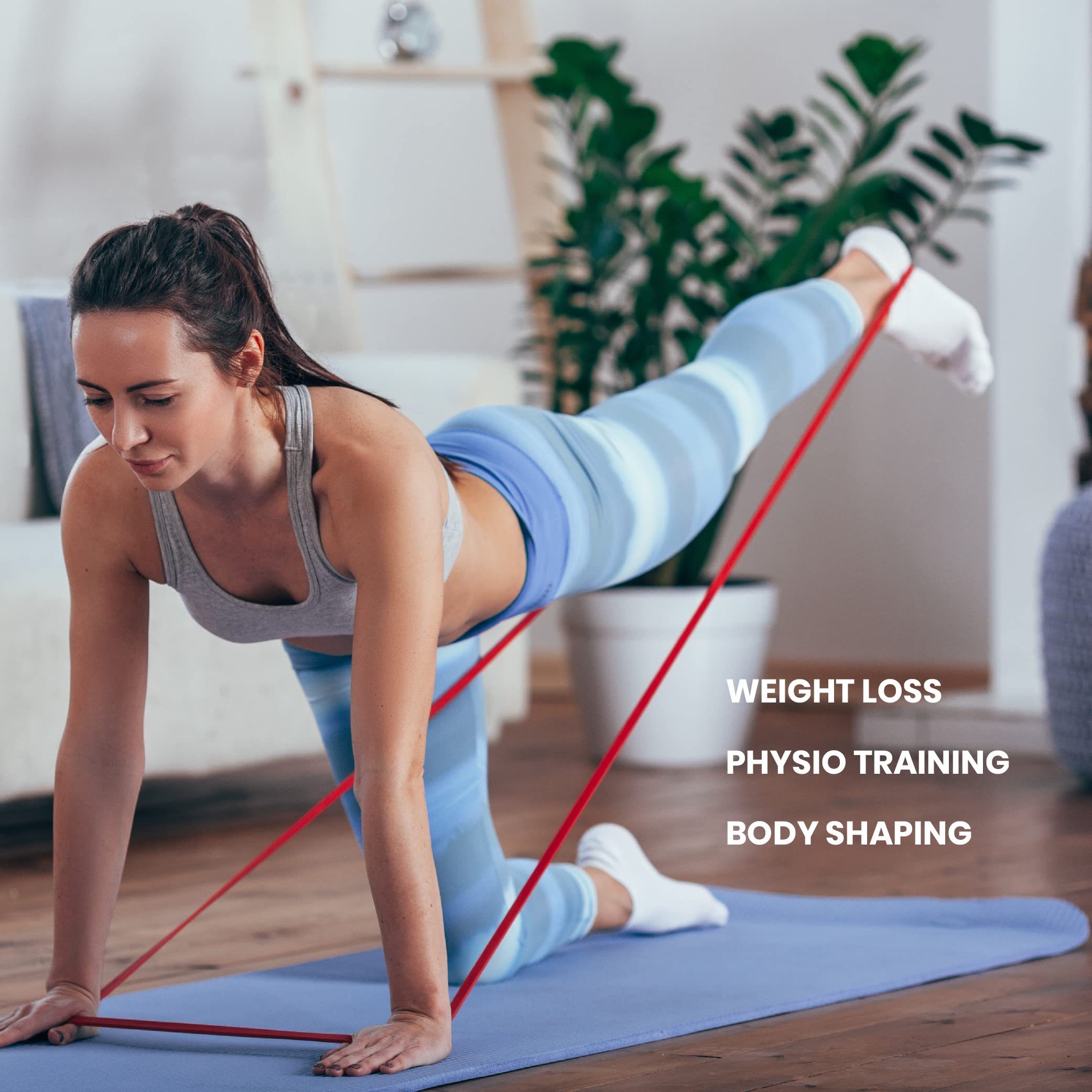
So, why have physio resistance bands become such a staple in physical therapy and home fitness? The reasons are plentiful and powerful. They’re incredibly cost-effective, often a fraction of the price of dumbbells or gym memberships. Their portability is unmatched; you can literally stash a full set in your bag and take your workout anywhere, from your living room to a hotel room. This makes maintaining consistency in your routine a breeze. Beyond convenience, they are highly versatile, allowing for a vast array of exercises that target every muscle group. For many, the biggest draw is their role in rehabilitation and injury prevention. Physical therapists frequently recommend physio resistance bands because they offer a gentle, controlled way to rebuild strength and mobility without putting undue stress on joints, making them a joint-friendly alternative to heavier weights.
Different Types of Physio Resistance Bands and How to Choose the Right One
Navigating the world of physio resistance bands can feel a bit like picking out paint swatches – so many colors, so many options! But understanding the main types will help you select the perfect tools for your fitness journey.
Generally, you’ll encounter a few primary categories:
- Therapy Bands (Flat Bands): These are long, flat strips of latex or non-latex material, typically sold in rolls or pre-cut lengths. They don’t have handles and are incredibly versatile for upper body, lower body, and core work. They’re often color-coded, with lighter colors indicating less resistance and darker colors offering more.
- Loop Bands (Power Bands/Assisted Pull-up Bands): These form a continuous loop. Thicker, wider loops are often used for assisted pull-ups, squats, and full-body exercises.
- Mini Bands: These are smaller, thinner loops, usually made of latex or fabric, designed for targeted lower body exercises like glute activation, hip abduction, and leg strengthening. They’re fantastic for pre-workout warm-ups.
When it comes to choosing the right physio resistance bands, consider these factors:
- Resistance Level: Bands come in various strengths, often indicated by color. It’s crucial to select a band that challenges you but still allows you to maintain proper form. If you’re recovering from an injury or just starting, begin with lighter resistance and gradually progress. Remember, different brands may have different color-to-resistance correlations, so always check the product specifications.
- Material: Most bands are latex, which offers excellent elasticity. However, if you have a latex allergy, non-latex or fabric bands are great alternatives, often providing a comfortable, non-slip feel, especially for loop bands.
- Your Goal: Are you focusing on rehabilitation, general strength, muscle building, or flexibility? Your specific goals will help dictate the type and resistance level you need.
- Consult a Professional: Especially for injury recovery, a physical therapist can provide tailored recommendations on the specific bands and resistance levels most appropriate for your condition.
“Choosing the right resistance level is like finding the perfect balance,” says Dr. Elena Rodriguez, a seasoned physical therapist. “You want enough challenge to stimulate muscle growth, but not so much that it compromises your form or puts undue strain on healing tissues. Always err on the side of caution and prioritize technique.”
Effective Physio Resistance Band Exercises for Every Muscle Group
The beauty of physio resistance bands lies in their ability to engage muscles in countless ways. Here are some effective exercises to get you started, targeting various parts of your body:
Upper Body Power
- Band Pull-Aparts (Upper Back & Shoulders): Hold a light to medium resistance band with both hands, shoulder-width apart, palms down. Keep your arms straight at shoulder height and slowly pull the band apart by squeezing your shoulder blades together. Control the movement as you return to the start. This is excellent for posture and scapular stability.
- Band Chest Press (Chest & Shoulders): Anchor a loop band around a sturdy object at chest height or wrap it behind your back. Hold an end in each hand, palms facing down or forward. Step forward to create tension. Press your hands straight out in front of you, squeezing your chest, then slowly return.
- Bicep Curls (Biceps): Stand with one foot on the middle of a loop band. Hold the ends in each hand, palms facing up. Keeping your elbows tucked in, curl your hands towards your shoulders, contracting your biceps. Slowly lower back down.
Lower Body Strength
- Band Squats (Glutes, Quads, Hamstrings): Place a mini band just above your knees. Stand with feet hip-width apart. Perform a squat, pushing your knees outwards against the band’s resistance, keeping your chest up and core engaged.
- Glute Bridges with Band (Glutes & Hamstrings): Lie on your back with knees bent, feet flat on the floor, and a mini band just above your knees. Drive through your heels to lift your hips off the floor, pushing your knees out against the band. Squeeze your glutes at the top, then slowly lower.
- Band Lateral Walks (Glutes & Hip Abductors): Place a mini band around your ankles or just above your knees. Start in a slight squat position. Take small, controlled steps sideways, maintaining tension on the band. Walk a set distance in one direction, then switch.
Core Engagement
- Band Rotations (Obliques & Core Stability): Anchor a loop band to a sturdy object at chest height. Stand sideways to the anchor point, holding the end of the band with both hands. With a slight bend in your knees and a stable core, rotate your torso away from the anchor point, pulling the band across your body. Control the return.
- Bird-Dog with Band (Core & Stability): Get on all fours. Loop a light band around one foot and then bring the other end over the opposite hand. As you extend your leg and opposite arm simultaneously, the band will provide resistance, challenging your core stability.
Remember, the key to effective exercise is always proper form over the amount of resistance. If you feel any pain, stop and re-evaluate your technique.
Maximizing Your Workouts: Tips to Boost Effectiveness and Prevent Injury
To truly make the most of your physio resistance bands and keep injuries at bay, a few key principles can make all the difference.
First and foremost, master proper form. It’s not just about moving the band; it’s about mindfully engaging the correct muscles. Watch videos, use a mirror, or even consult a professional to ensure your technique is spot-on. Incorrect form can negate benefits and lead to injury.
Next, embrace progressive overload. As your strength improves, your bands should get tougher! Resistance bands make progression simple:
- Increase the resistance level by using a thicker or shorter band.
- Increase the number of repetitions or sets.
- Slow down the movement to increase time under tension.
- Add a pause at the point of maximum contraction.
Always listen to your body. Some muscle soreness after a good workout is normal, but sharp pain is a warning sign. Don’t push through pain. Rest, adjust your technique, or use a lighter band if needed. Your body communicates with you; learn to understand its signals.
Finally, don’t skip the warm-up and cool-down. A dynamic warm-up prepares your muscles for action, while a gentle cool-down with static stretches (some of which can even be assisted by a band!) helps with flexibility and recovery. These essential bookends to your workout are crucial for long-term joint health and muscle function.
The Transformative Benefits of Training with Physio Resistance Bands
The advantages of incorporating physio resistance bands into your exercise regimen are truly remarkable, impacting everything from your physical strength to your overall quality of life.
One of the most significant benefits is the enhancement of muscular endurance and strength. Resistance bands challenge your muscles in a unique way, providing continuous tension throughout the entire movement. This constant engagement promotes muscle growth and development, helping you build lean muscle mass effectively.
Beyond brute strength, physio resistance bands are exceptional for improving posture, balance, and flexibility. Many exercises with bands specifically target core and stabilizer muscles that are vital for maintaining good posture and preventing falls. Their elastic nature also makes them perfect for dynamic stretching, increasing your range of motion and joint mobility without the strain often associated with heavy weights.
For those recovering from physical setbacks, their role in injury recovery and joint health is paramount. Physical therapists have utilized resistance bands for decades in rehabilitation because they offer a controlled, low-impact way to rebuild strength around injured joints. The elastic resistance is gentler on your joints compared to free weights, making them an ideal tool for gradual healing and long-term joint protection.
Moreover, the accessibility and convenience of physio resistance bands cannot be overstated. They are lightweight, portable, and take up minimal space, making them perfect for home workouts, office breaks, or even while traveling. This removes many barriers to consistent exercise, empowering you to stay active wherever life takes you. They’re also incredibly cost-effective, offering a full-body workout solution without breaking the bank.
Seamlessly Integrate Physio Resistance Bands into Your Daily Routine
One of the greatest strengths of physio resistance bands is how easily they fit into almost any lifestyle or fitness schedule. You don’t need dedicated hours; even short, consistent bursts can yield significant results.
For home workouts, they are unmatched. Clear out a small space, grab your bands, and you have an instant gym. Many find success by dedicating 15-30 minutes a few times a week to full-body band routines, or even just 5-10 minutes daily for targeted muscle activation, especially for areas like the glutes or shoulders.
If you’re a frequent traveler, travel fitness becomes effortless. A few resistance bands weigh next to nothing and slip into any luggage, transforming hotel rooms or outdoor spaces into personal workout zones. No more sacrificing your fitness routine while on the road!
Physio resistance bands also serve as an excellent tool for complementary training. If you’re into weightlifting, use lighter bands for warm-ups or to add accommodating resistance to your barbell lifts. For yoga or Pilates practitioners, bands can deepen stretches, increase muscle engagement, and assist with challenging poses, enhancing flexibility and strength simultaneously.
Regarding frequency, it depends on your goals. For endurance-style exercises or light activation, daily use can be beneficial. For building significant strength and power, a few sessions per week, allowing for muscle recovery, is often recommended. The key is consistency and listening to what your body needs.
Physio Resistance Bands: Your Questions Answered
We get a lot of questions about physio resistance bands, so let’s tackle some of the most common ones.
Can I use physio resistance bands every day?
Yes, for many people, you can use physio resistance bands daily, especially for lower-intensity endurance exercises, warm-ups, or rehabilitation movements. However, if you’re doing higher-intensity strength training, it’s a good idea to give your muscles a day or two of rest between sessions to allow for recovery and growth.
How do I know what resistance level to choose?
Start with a lighter band that allows you to complete 10-15 repetitions with good form but still feels challenging by the last few reps. As you get stronger, you can gradually move to a band with higher resistance. If you’re working with a physical therapist, they’ll provide specific guidance.
Are physio resistance bands as effective as weights?
Research shows that resistance bands can be just as effective as free weights in building muscle strength and size. The key difference is the type of resistance; bands offer accommodating resistance, increasing tension throughout the movement, which can sometimes be even more effective at engaging certain muscle fibers.
Can physio resistance bands help with injury prevention?
Absolutely! By strengthening stabilizer muscles, improving joint mobility, and enhancing balance, physio resistance bands are excellent tools for injury prevention. They help create more resilient muscles and joints, making them less susceptible to everyday strains and sprains.
How long do resistance bands last?
The lifespan of a resistance band depends on its material quality, how often it’s used, and how well it’s cared for. High-quality latex bands can last for years with proper use and storage. Fabric bands tend to be very durable. Always inspect your bands for nicks or tears before use to prevent breakage.
Conclusion
So there you have it – physio resistance bands are far more than just simple elastic bands; they’re a versatile, portable, and incredibly effective tool for anyone looking to boost their physical strength, enhance flexibility, improve balance, or recover from an injury. From targeted rehabilitation exercises to full-body conditioning, these bands offer a dynamic and joint-friendly alternative to traditional weights. Embrace the power of physio resistance bands, integrate them into your routine, and experience the transformative benefits for your health and well-being. Your stronger, more resilient self awaits!