Ready to elevate your Pilates routine and unlock new levels of strength and flexibility? Look no further than Pilates Resistance Bands. These incredibly versatile and portable tools are a game-changer for anyone looking to deepen their practice, target specific muscle groups, and add effective resistance without the need for bulky equipment. Whether you’re a seasoned Pilates enthusiast or just starting your journey, integrating resistance bands can dramatically enhance your workouts and help you achieve your fitness goals faster.
What Are Resistance Bands and Why Are They Popular in Pilates?
Resistance bands are elastic straps or loops made from latex or non-latex materials, designed to provide varying levels of resistance during exercise. In the world of Pilates, they’ve become exceptionally popular due to their ability to mimic the controlled resistance of traditional Pilates apparatus like the reformer or Cadillac, but in a compact, accessible format.
Why the hype? Pilates resistance bands allow for concentric and eccentric muscle contractions, which are key to building long, lean muscles and improving muscular endurance, coordination, and balance—all foundational principles of Pilates. They offer a continuous challenge throughout an exercise’s range of motion, helping to improve stability and control.
Different Types of Resistance Bands and How to Choose the Right One
When it comes to pilates resistance bands, you’ll encounter a few main types, each suited for different exercises and resistance levels. Understanding these can help you pick the perfect band for your needs.
Loop Bands (Mini Bands)
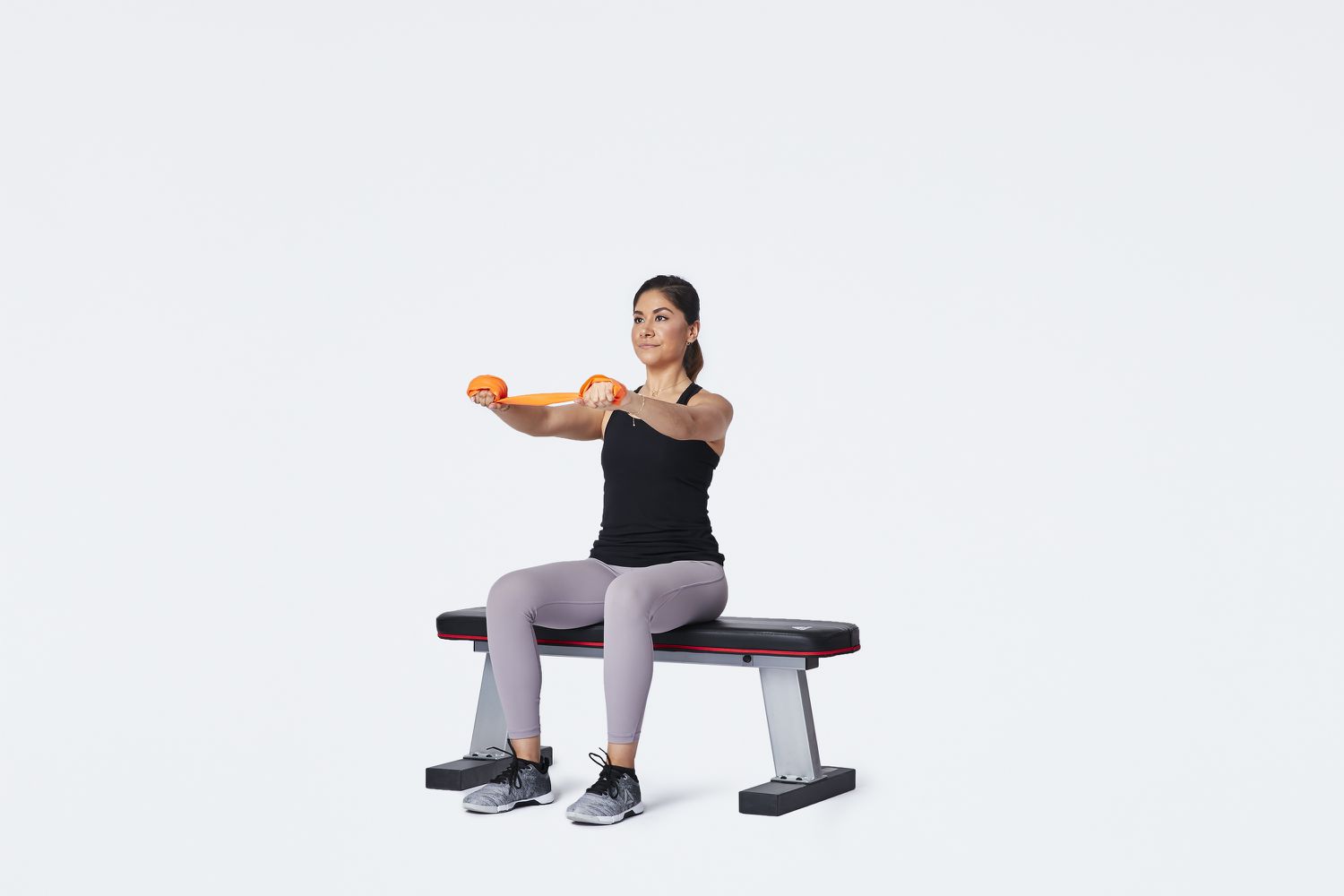
These are small, continuous loops, typically used for lower body exercises, glute activation, and adding resistance to squats, lunges, and side-lying leg lifts. They come in various strengths, indicated by color.
Long Loop Bands (Power Bands)
Larger, thicker continuous loops, these offer significant resistance and are excellent for assisting with pull-ups, adding resistance to compound movements, or performing full-body exercises.
Flat Bands (Therapy Bands)
Often sold in rolls or as individual long, flat strips, these bands are highly versatile. They can be tied into loops, wrapped around hands and feet, or used for rehabilitation exercises, stretching, and targeted Pilates movements for the upper body, core, and lower body. They are fantastic for working on flexibility and controlled movements.
Tube Bands with Handles
While less common specifically in traditional Pilates, these are excellent for exercises mimicking cable machines, offering a different grip and feel. They are often used for general strength training but can be adapted for certain Pilates-inspired movements focusing on arm and chest strength.
Choosing Your Band: Start with a lighter resistance to master form, then gradually increase as your strength improves. Many brands sell sets with multiple resistance levels, which is a great way to have options for various exercises and progression. “Always prioritize good form over heavy resistance,” advises Dr. Evelyn Reed, a seasoned physiotherapist and Pilates instructor. “The controlled, precise movements of Pilates are amplified by the right band, not hindered by one that’s too strong.”
Effective Exercises with Resistance Bands for Different Muscle Groups
Pilates resistance bands can transform your workout, targeting every major muscle group. Here are some effective exercises:
For the Core & Abs
- Band-Assisted Crunches: Lie on your back, knees bent, feet flat. Loop a long band around your feet and hold the ends. As you crunch up, pull the band to increase resistance.
- Dead Bug with Band: Lie on your back, knees bent over hips, shins parallel to the floor. Place a loop band around your feet. Extend one leg and the opposite arm, resisting the band’s pull, then return to start.
For the Glutes & Legs
- Clamshells: Lie on your side, knees bent, feet stacked. Place a loop band around your thighs, just above your knees. Keep feet together and lift your top knee, resisting the band, then slowly lower.
- Glute Bridges with Band: Lie on your back, knees bent, feet flat. Place a loop band around your thighs. Perform a glute bridge, pressing knees slightly outward against the band at the top.
- Band Squats: Place a loop band around your thighs, just above your knees. Perform squats, actively pushing your knees out against the band to engage glutes.
For the Arms & Upper Body
- Bicep Curls: Stand on the middle of a long flat band or tube band. Hold an end in each hand. Perform bicep curls, keeping elbows tucked in.
- Tricep Extensions: Hold a long flat band behind your back, one hand gripping the bottom, the other extending the band overhead. Extend the top arm, working your triceps.
- Band Pull-Aparts: Hold a loop band or flat band with both hands extended in front of you at shoulder height. Pull the band apart, squeezing your shoulder blades together.
Tips to Maximize Workout Effectiveness and Avoid Injuries
Getting the most out of your pilates resistance bands means focusing on technique and smart progression.
- Focus on Form: Always prioritize correct form over the amount of resistance. Sloppy movements can lead to injury and reduce effectiveness.
- Control the Movement: Pilates is about controlled, deliberate movements. Don’t let the band snap back quickly. Control both the lengthening and shortening phases of the exercise.
- Engage Your Core: Remember to activate your deep core muscles throughout every exercise, drawing your navel towards your spine. This provides stability and protects your back.
- Listen to Your Body: If you feel sharp pain, stop immediately. It’s okay to reduce resistance or modify an exercise.
- Warm-Up and Cool-Down: Always include a gentle warm-up before your band workout and cool-down stretches afterward to prepare and recover your muscles.
Benefits of Training with Resistance Bands for Health and Fitness
Incorporating pilates resistance bands into your routine offers a wealth of advantages, extending beyond just muscle toning.
- Increased Muscle Activation: Bands provide constant tension, forcing muscles to work harder throughout the entire range of motion, leading to greater muscle fiber recruitment.
- Improved Stability and Balance: Many exercises require you to stabilize against the band’s pull, enhancing your balance and core stability.
- Joint-Friendly: Resistance bands offer a low-impact alternative to weights, reducing stress on joints while still effectively building strength. This makes them ideal for rehabilitation and individuals with joint issues.
- Enhanced Flexibility and Range of Motion: Bands can be used to assist in stretching, gently increasing your flexibility and improving the range of motion in your joints.
- Portability and Affordability: They are lightweight, compact, and inexpensive, making them perfect for home workouts, travel, or taking to the gym.
How to Integrate Resistance Bands into Your Daily Workout Routine
Adding pilates resistance bands to your existing fitness regimen is straightforward and can add variety and challenge.
- Morning Wake-Up: Start your day with a few simple band stretches or glute activation exercises to get your body moving.
- Workout Booster: Incorporate bands into your existing strength training or Pilates class for an added challenge. For example, add a loop band to your squats or lunges.
- Active Recovery: Use lighter bands for gentle movements and stretches on active recovery days to aid muscle recovery and increase blood flow.
- Travel Companion: Bands are ideal for maintaining your fitness routine while away from home. A few bands can provide a full-body workout anywhere.
- Warm-Up Tool: Use a light band for dynamic warm-ups, preparing your muscles for more intense activity.
Frequently Asked Questions
Q: Are pilates resistance bands suitable for beginners?
A: Absolutely! Pilates resistance bands are excellent for beginners. They allow you to start with light resistance, focus on proper form, and gradually increase the challenge as you get stronger, making them a safe and effective entry point into Pilates.
Q: How do I know which resistance level to choose for a pilates resistance band?
A: Start with a light to medium resistance. If you can perform 10-15 repetitions with good form but feel challenged by the last few, it’s a good starting point. You should feel your muscles working without straining.
Q: Can pilates resistance bands help with weight loss?
A: While primarily a strength-building tool, incorporating pilates resistance bands into your routine can contribute to weight loss by increasing muscle mass, which boosts your metabolism and helps burn more calories, even at rest.
Q: How often should I use pilates resistance bands in my workouts?
A: For optimal results, aim to use your pilates resistance bands 2-4 times a week, allowing for rest days in between. This gives your muscles time to recover and grow.
Q: What is the difference between a loop band and a flat band for Pilates?
A: Loop bands are continuous circles, great for leg and glute work where you want constant tension around the thighs or ankles. Flat bands are long, open strips that offer more versatility for wrapping, tying, and targeting upper body movements, rehabilitation, and stretching.
Q: Are there any specific care instructions for pilates resistance bands?
A: To prolong the life of your bands, store them away from direct sunlight and extreme temperatures. Clean them with a damp cloth if needed, and avoid using abrasive cleaners. Regularly check for any nicks or tears.
Q: Can I use pilates resistance bands if I have an injury?
A: It depends on the injury. Resistance bands are often used in physical therapy for rehabilitation due to their low-impact nature. However, always consult with a doctor or physical therapist before starting any new exercise program, especially if you have an injury.
Final Thoughts
Pilates resistance bands are more than just a passing fitness trend; they are a fundamental tool that can profoundly impact your strength, flexibility, and overall well-being. By integrating these adaptable bands into your routine, you’re not just adding resistance; you’re cultivating deeper muscle engagement, improving body awareness, and unlocking a more dynamic and effective Pilates practice. Don’t wait—grab a set of pilates resistance bands and experience the transformative power they bring to your fitness journey. Start today, experiment with different exercises, and feel the difference in your strength and control!