Ready to supercharge your workouts and redefine what’s possible with resistance training? Forget bulky weights and expensive gym memberships for a moment. Power Resistance Bands are here to revolutionize your fitness journey, offering a dynamic and incredibly effective way to build strength, enhance flexibility, and sculpt your physique, all while being remarkably gentle on your joints. Whether you’re a seasoned athlete or just starting out, these versatile loops are quickly becoming the go-to tool for anyone serious about elevating their game.
What Are Power Resistance Bands and Why Are They So Popular?
At their core, power resistance bands are robust, continuous loops made from high-quality latex or rubber. Unlike traditional dumbbells or barbells, they don’t rely on gravity for resistance. Instead, they provide tension through their inherent elasticity, meaning the resistance actually increases as you stretch the band further. This “accommodating resistance” ensures your muscles are challenged throughout the entire range of motion, leading to greater muscle activation and more efficient strength gains.
Their popularity stems from several key advantages. Power resistance bands are incredibly portable, making them perfect for home workouts, travel, or even integrating into your gym routine. They’re also surprisingly affordable, offering a cost-effective alternative to heavy equipment. Beyond convenience, they’re highly versatile, suitable for a vast array of exercises targeting every major muscle group, and adaptable for all fitness levels. From assisting pull-ups to adding resistance to squats, power resistance bands empower you to train smarter, not just harder.
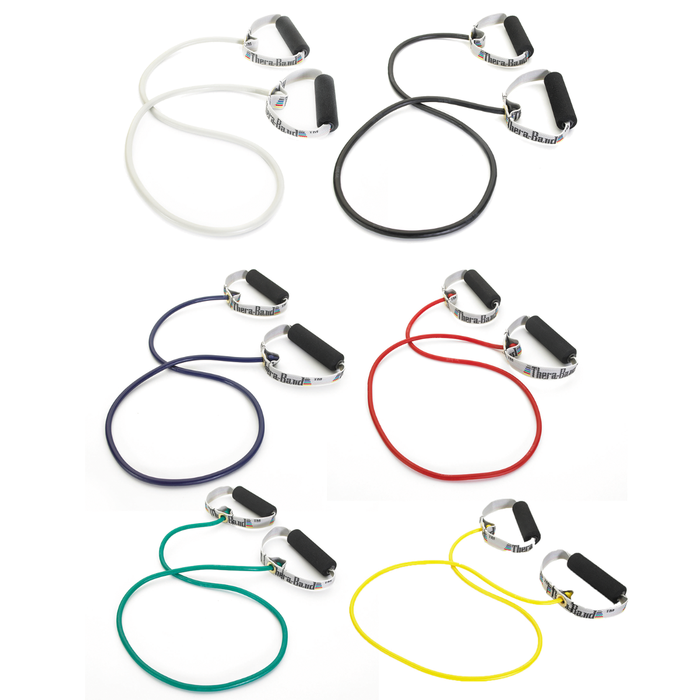
Types of Power Resistance Bands and How to Choose the Right One
While the term “resistance bands” can broadly include various types like tube bands with handles or mini bands, “power resistance bands” typically refer to the long, thick, heavy-duty loop bands. These are often color-coded to indicate their resistance level, making it easy to select the right one for your needs.
Understanding Resistance Levels
Choosing the correct power resistance band is crucial for effective and safe training. Resistance levels are usually indicated by color, though these can vary slightly between brands. Generally, a thinner band means less resistance, while a thicker, wider band offers significantly more.
- Light (e.g., Yellow/Red): Ideal for warm-ups, rehabilitation exercises, mobility work, and high-repetition isolation exercises like bicep curls or tricep pushdowns. These typically offer 5-15 lbs of resistance.
- Medium (e.g., Black/Purple): Perfect for intermediate exercises, adding resistance to bodyweight movements, and targeted glute work. Expect around 20-45 lbs of resistance.
- Heavy (e.g., Green/Blue): Suited for strength-building exercises, assisting pull-ups, and adding significant resistance to compound movements like squats and deadlifts. These can range from 45-75 lbs.
- Extra Heavy (e.g., Orange/Black): Designed for advanced athletes, heavy compound lifts, and providing substantial assistance for bodyweight exercises for heavier individuals. These bands can offer 75-120 lbs or even more.
“Choosing the right resistance level isn’t just about how strong you are,” explains fitness expert Sarah Jenkins. “It’s about matching the band to the specific exercise and your current strength in that movement. Start lighter and master your form before moving up.”
Material and Dimensions
Most power resistance bands are made from durable latex, which offers excellent stretch and longevity. For those with latex allergies, some brands offer latex-free alternatives. Power resistance bands are typically around 41 inches long, making them versatile for a wide range of full-body movements and allowing them to be looped around anchor points or your body. The width of the band is the primary factor determining its resistance.
Effective Power Resistance Band Exercises for Various Muscle Groups
One of the greatest strengths of power resistance bands is their adaptability to target nearly every muscle in your body. Here’s a glimpse into how you can effectively use them:
Lower Body Powerhouse
The lower body responds exceptionally well to band training.
Banded Squats
How do I perform a banded squat?
To perform a banded squat, stand on the band with your feet shoulder-width apart, looping the band over your shoulders or holding the ends at chest height. Keep your chest tall, engage your core, and lower into a squat as if sitting in a chair. Drive through your heels to return to the starting position, working against the increasing band tension.
Glute Bridges with Hip Abduction
What’s the best way to activate my glutes with a power band?
For maximum glute activation, lie on your back with knees bent, feet flat, and a mini-loop band (or a larger power band looped to create tension) around your thighs, just above the knees. Lift your hips into a bridge, then press your knees out against the band, squeezing your glutes at the top before slowly returning.
Lateral Band Walks
How can power bands improve my hip stability?
Lateral band walks are excellent for hip stability. Place a band around your ankles or thighs, then take small, controlled steps sideways, keeping tension on the band throughout the movement. This targets your hip abductors, crucial for balance and preventing injuries.
Upper Body Sculpting
Don’t underestimate bands for upper body strength and definition.
Assisted Pull-Ups
Can power bands really help with pull-ups?
Absolutely! Power bands are fantastic for assisted pull-ups. Loop a band over a pull-up bar and place your knee or foot into the loop. The band provides assistance at the bottom of the movement, where you’re weakest, and less at the top, helping you build strength progressively.
Banded Push-Ups
How can I make push-ups more challenging with a resistance band?
To intensify push-ups, wrap a power band across your upper back, holding each end under your hands as you get into a push-up position. As you push up, the band creates extra resistance, forcing your chest, shoulders, and triceps to work harder.
Resistance Band Rows
What’s a good power band exercise for my back muscles?
For effective back training, anchor a power band to a sturdy object at chest height. Stand facing the anchor point, grasp the band with both hands, and pull it towards your torso, squeezing your shoulder blades together. Control the release to work the eccentric phase.
Core Engagement
A strong core is the foundation of all movement.
Pallof Press
How can I use a power band for core stability?
Anchor a power band to a stable object at chest height. Stand perpendicular to the anchor, grasping the band with both hands at your chest. Press the band straight out in front of you, resisting the band’s pull that tries to rotate your torso. This anti-rotational exercise is superb for core stability.
Tips to Maximize Power Resistance Band Workout Effectiveness and Prevent Injuries
To get the most out of your power resistance bands and stay injury-free, keep these tips in mind:
- Focus on Form First: Always prioritize proper technique over heavier resistance. A well-executed movement with a lighter band is far more beneficial than struggling with a band that’s too heavy.
- Embrace Continuous Tension: Unlike free weights, bands provide constant tension. Use this to your advantage by controlling both the lifting (concentric) and lowering (eccentric) phases of each exercise. Don’t let the band snap back!
- Progress Gradually: Once an exercise feels too easy, don’t just jump to the next heaviest band. You can increase reps, sets, or reduce rest time. Only then consider moving to a band with higher resistance.
- Warm Up and Cool Down: Always start with a dynamic warm-up using lighter bands to prepare your muscles and finish with static stretches to improve flexibility and aid recovery.
- Listen to Your Body: If you feel sharp pain, stop immediately. Consult a fitness professional or physical therapist if pain persists.
- Vary Your Angles: Experiment with different anchor points, body positions, and stances to challenge your muscles from unique angles, promoting comprehensive development.
Health and Fitness Benefits of Power Resistance Band Training
The benefits of incorporating power resistance bands into your routine extend far beyond just building muscle.
Comprehensive Strength and Muscle Development
Power resistance bands offer comparable strength gains to traditional weights, as studies have shown. The continuous tension forces your muscles to work harder throughout the entire range of motion, leading to improved strength and even muscle hypertrophy (growth).
Enhanced Flexibility and Mobility
Using bands for dynamic stretching and controlled movements can significantly improve your flexibility and joint mobility. The gentle, yet effective, resistance helps lengthen muscles gradually and safely.
Joint-Friendly Workouts
“Power resistance bands offer a unique way to challenge your muscles through a full range of motion, providing progressive resistance that free weights simply can’t match, while also being incredibly kind to your joints,” emphasizes Dr. Anya Sharma, a renowned sports physiotherapist. This low-impact nature makes them an excellent choice for injury rehabilitation, older adults, or anyone looking to reduce strain on their joints.
Boosted Muscle Activation and Stability
The inherent instability of working with bands forces your stabilizing muscles to engage more, leading to improved neuromuscular control and functional strength, which translates to better performance in daily activities and sports.
Portability and Affordability
These bands are lightweight, compact, and fit easily into any gym bag or suitcase. This means you can maintain your fitness routine wherever life takes you, without breaking the bank on expensive equipment.
How to Integrate Power Resistance Bands into Your Daily Workout Routine
Integrating power resistance bands into your existing fitness regimen is seamless and can unlock new levels of performance.
As a Warm-Up Tool
Start your workouts with lighter bands for dynamic movements like band pull-aparts or shoulder rotations to increase blood flow and activate muscles, preparing your body for more intense activity.
For Strength Training
Replace or supplement free weights for exercises like squats, deadlifts, and rows. Attach them to barbells for “accommodating resistance,” where the band adds tension as the lift becomes easier at the top, pushing your strength limits.
In Circuit Training
Incorporate band exercises into circuit routines to keep your heart rate up and engage multiple muscle groups effectively. For example, alternate between banded squats, push-ups, and rows with minimal rest.
For Rehabilitation and Pre-Rehabilitation
Due to their controlled resistance and low impact, power bands are invaluable for recovering from injuries or pre-emptively strengthening vulnerable areas to prevent future issues.
Travel and Home Workouts
When gym access is limited, power resistance bands become your full-body gym-on-the-go. They allow for comprehensive workouts in small spaces, ensuring consistency in your fitness journey.
Frequently Asked Questions
Q: Are power resistance bands as effective as free weights for building muscle?
A: Yes, numerous studies indicate that training with resistance bands can lead to similar strength gains and muscle growth as training with free weights, especially when proper form and progressive overload are applied.
Q: How do I know which resistance level is right for me?
A: Start with a lighter band to master the exercise form. If you can comfortably complete 15-20 repetitions with good form, you’re ready for a band with higher resistance. Most brands offer color-coded systems for easy selection.
Q: Can power resistance bands help with weight loss?
A: While bands directly build muscle, which boosts metabolism, they can certainly contribute to weight loss as part of a balanced fitness and nutrition plan. Increased muscle mass and calorie expenditure during band workouts aid in overall fat reduction.
Q: How long do power resistance bands typically last?
A: With proper care, high-quality latex power resistance bands can last for years. Avoid storing them in direct sunlight, clean them occasionally, and inspect them for nicks or tears before each use to ensure safety.
Q: Can I combine power resistance bands with other fitness equipment?
A: Absolutely! Power resistance bands are excellent when combined with barbells for accommodating resistance, or even with bodyweight exercises to increase the challenge. This versatility can make your workouts more dynamic and effective.
Unleash Your Inner Strength
Power resistance bands are far more than just a passing fitness trend; they are a fundamental tool for anyone committed to enhancing their physical capabilities. From their incredible versatility and joint-friendly nature to their proven ability to build strength and muscle, these resilient loops offer a practical and powerful solution for your fitness aspirations. So, why not grab a band (or a set!) and start experimenting? Your body will thank you for unlocking this incredibly effective and accessible path to a stronger, more resilient you.