In the ever-evolving world of fitness, finding tools that are both effective and incredibly convenient can feel like striking gold. Forget bulky gym equipment or complex setups; a revolutionary change in how we approach strength and conditioning is here. We’re talking about Small Resistance Bands – those unassuming yet incredibly powerful loops that are transforming workouts for everyone, from absolute beginners to seasoned athletes. If you’re looking to boost your strength, improve mobility, and activate muscles in ways you never thought possible, these compact game-changers are exactly what your routine needs. Welcome to the comprehensive guide that will help you unlock the full potential of small resistance bands.
What Are Small Resistance Bands and Why Are They a Game-Changer?
These aren’t your grandpa’s stretchy tubes! Small resistance bands have redefined what it means to get a challenging and effective workout with minimal equipment.
What Exactly Are These Mini Powerhouses?
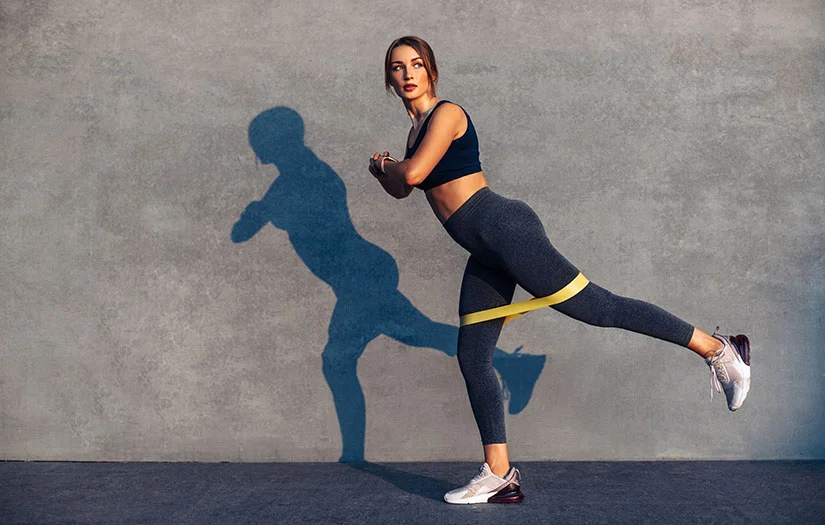
Think of small resistance bands as compact, elastic loops or flat bands, typically ranging from 9 to 12 inches in circumference. Unlike their longer counterparts or tubes with handles, these bands are designed for targeted muscle activation and shorter ranges of motion. They come in various resistance levels, usually indicated by different colors—from feather-light for warm-ups to super-heavy for intense strength building. This varied resistance is crucial for progressive training, allowing you to gradually increase the challenge as your strength improves. They’re often called “mini bands” or “loop bands” due to their design, and their primary goal is to provide constant tension, forcing your muscles to work harder throughout every movement.
The Unbeatable Appeal: Why Everyone’s Loving Them
The popularity of small resistance bands isn’t just a fleeting trend; it’s a testament to their unparalleled benefits:
- Ultimate Portability: Slip them into your pocket, gym bag, or suitcase. These bands weigh next to nothing and take up minimal space, making them the perfect travel companion for maintaining your fitness routine anywhere, anytime.
- Budget-Friendly Fitness: Compared to dumbbells, barbells, or gym memberships, small resistance bands are incredibly affordable. A full set with multiple resistance levels often costs less than a single piece of traditional equipment.
- Joint-Friendly Workouts: The elastic resistance provides a low-impact alternative to weights, reducing stress on your joints while still building strength. This makes them ideal for rehabilitation, injury prevention, or simply giving your joints a much-needed break.
- Unmatched Versatility: From dynamic warm-ups and muscle activation to intense strength training and stretching, these bands do it all. They can be integrated into almost any exercise, enhancing everything from bodyweight squats to glute bridges.
Choosing Your Perfect Fit: Types of Small Resistance Bands and How to Select Them
Stepping into the world of small resistance bands can be a bit overwhelming with all the options available. Let’s break down how to choose the best ones for your fitness journey.
Loop Bands vs. Mini Bands: Is There a Difference?
The terms “loop bands” and “mini bands” are often used interchangeably to describe these compact, circular resistance tools. Generally, when people talk about “small resistance bands,” they are referring to this style. There are also “flat bands” which are non-looped and can be tied, but for targeted glute and hip work, the pre-looped “mini bands” are typically what’s being discussed. Understanding this common terminology will help you navigate your choices.
Navigating Resistance Levels: Finding Your Sweet Spot
Small resistance bands come in a spectrum of resistance levels, usually color-coded from extra light to super heavy.
- Extra Light/Light: Perfect for warm-ups, activation exercises, and beginners.
- Medium: Ideal for most compound movements and progressing from light.
- Heavy/Extra Heavy: For advanced users and exercises targeting larger muscle groups.
It’s wise to start with a lighter band to master your form before moving to heavier resistance. A comprehensive set that includes multiple resistance levels is a smart investment, allowing you to choose the appropriate tension for different exercises and muscle groups.
Material Matters: Latex vs. Fabric
Most traditional small resistance bands are made from latex or a similar rubber compound. While effective, they can sometimes roll up during exercises, especially if placed directly on skin. Fabric resistance bands, on the other hand, are often made with a blend of cotton and elastic. They are generally wider, more durable, and designed to stay in place without rolling or pinching. While fabric bands might be less stretchy, they offer a different kind of consistent tension, often preferred for glute and leg workouts. Consider trying both types to see what feels best for your movements.
Unleash Your Potential: Effective Exercises with Small Resistance Bands for Every Muscle Group
Ready to put those bands to work? Here’s how you can target different muscle groups effectively.
Sculpt Your Lower Body and Glutes
Small resistance bands truly shine when it comes to lower body and glute activation.
- Banded Squats: Place a band just above your knees. As you squat down, actively push your knees outwards against the band. This simple cue significantly increases glute activation and helps maintain proper knee alignment.
- Glute Bridges: Lie on your back with the band above your knees. Drive your hips up, squeezing your glutes, and push your knees out against the band. This targets your glutes and hamstrings.
- Lateral Leg Lifts / Clamshells: For clamshells, lie on your side with the band above your knees, knees bent. Keeping your feet together, lift your top knee, opening your legs like a clam. This isolates your glute medius, crucial for hip stability.
- Crab Walks: With the band above your knees or ankles, get into a slight squat. Step sideways, keeping tension on the band, then bring your trailing foot to meet it. This fires up your hip abductors and glutes, improving lateral strength.
Strengthen Your Upper Body and Core
Don’t underestimate their power for your upper body and core!
- Banded Bicep Curls: Stand on one end of the band with your feet, holding the other end in your hand. Perform bicep curls, keeping your elbow tucked. This provides resistance throughout the curl, challenging your biceps.
- Band Pull-Aparts: Hold a light band with both hands, arms extended in front of you at shoulder height. Pull the band apart, squeezing your shoulder blades together. This is excellent for upper back and shoulder health.
- Half-Kneeling Single-Arm Row: Anchor the band around your front foot while in a half-kneeling position. Hold the other end with the opposite hand and perform a rowing motion, engaging your back muscles.
- Plank with Leg Abduction: Get into a plank position with the band around your ankles. While holding the plank, slowly lift one leg out to the side, then return. This adds a serious challenge to your core and glutes.
How can small resistance bands help my squats?
Small resistance bands, when placed above your knees during squats, force you to actively push your knees outwards. This external resistance engages your glute muscles more effectively, improves hip stability, and helps maintain proper form, preventing your knees from caving inwards, which is a common issue.
Maximize Your Gains: Tips for Effective Training and Injury Prevention
Getting the most out of your small resistance bands isn’t just about doing the exercises; it’s about doing them smartly.
Focus on Form, Not Just Force
Quality over quantity is key with resistance bands. Slow, controlled movements ensure your muscles are under tension for longer, leading to better activation and results. Don’t just snap the band; resist the tension on the way back to the starting position. This eccentric phase of the movement is crucial for muscle growth and control. Maintain constant tension in the band throughout the exercise to keep muscles engaged and working hard.
Progressive Overload: Keep Challenging Yourself
As you get stronger, your current band might start to feel too easy. This is a good sign! It means it’s time for progressive overload. You can achieve this by:
- Moving to a heavier resistance band.
- Increasing the number of repetitions or sets.
- Slowing down the tempo of your movements.
- Reducing rest periods between sets.
Always aim to challenge yourself to continually build strength and prevent plateaus.
Warm-Up and Cool-Down are Key
Small resistance bands are fantastic tools for both warming up and cooling down. Use lighter bands for dynamic warm-ups like leg swings, arm circles, or glute activation drills to prepare your muscles for intense work. Post-workout, use them for static stretches to improve flexibility and aid in recovery, gently lengthening muscles against light resistance.
Listen to Your Body
Always pay attention to what your body is telling you. If an exercise causes sharp pain, stop immediately. Modify movements or use a lighter band if you’re struggling with form. Consistency is more important than intensity when you’re starting, and avoiding injury will keep you on track for the long term.
Beyond Muscle: The Holistic Benefits of Small Resistance Band Training
The impact of training with small resistance bands extends far beyond just building visible muscle. They offer a wealth of advantages for overall health and well-being.
Enhanced Muscle Activation and Stability
One of the standout features of small resistance bands is their ability to provide continuous tension throughout an exercise’s full range of motion. This constant resistance forces your muscles to engage more intensely, particularly the smaller, stabilizing muscles often neglected by traditional weights. The result? Improved joint stability, better movement patterns, and a stronger, more resilient body. This focused activation is particularly beneficial for areas like the hips, shoulders, and core, leading to better balance and coordination.
Improved Mobility and Flexibility
Regular use of small resistance bands can significantly boost your mobility and flexibility. By providing controlled resistance during stretches and movements, they help to gently lengthen muscles and increase your joints’ range of motion. This is vital for everyday activities, athletic performance, and reducing stiffness that can come with age or sedentary lifestyles. Incorporating bands into your warm-ups and cool-downs can prepare your body for movement and aid in recovery, making you feel more limber and agile.
Injury Prevention and Rehabilitation
Because small resistance bands allow for precise, low-impact movements, they are an excellent tool for both injury prevention and rehabilitation. They can safely target and strengthen weak or unbalanced muscle groups that often contribute to injuries. Physical therapists frequently use them to help patients regain strength and function after an injury, making them a cornerstone of many recovery programs. Their gentle yet effective nature means you can work muscles without putting undue strain on healing tissues or vulnerable joints.
Mental Boost and Convenience
There’s a definite psychological benefit to having such an accessible fitness tool. Knowing you can get an effective workout anywhere, anytime, removes many barriers to exercise. This convenience can lead to greater consistency in your routine, which in turn fosters a sense of accomplishment and boosts your overall mood and energy levels. The ability to integrate quick, impactful sessions into a busy schedule makes fitness feel less like a chore and more like a sustainable lifestyle choice.
Seamless Integration: Weaving Small Resistance Bands into Your Daily Routine
The beauty of small resistance bands is how effortlessly they fit into almost any fitness regimen.
Quick Warm-Ups Before Any Workout
Kickstart your body before any exercise, whether it’s a run, a heavy lifting session, or a yoga class. A few minutes with a light resistance band performing leg swings, glute bridges, or band pull-aparts can activate key muscles, increase blood flow, and prepare your body for more intense movements, significantly reducing your risk of injury.
Standalone Full-Body Workouts
Don’t have access to a gym or much time? Small resistance bands are perfect for creating efficient, full-body workouts. Combine exercises like banded squats, lateral walks, bicep curls, and plank leg abductions for a challenging routine that targets major muscle groups. You can easily do a complete workout in your living room or a hotel room.
Adding Intensity to Bodyweight Exercises
Elevate your favorite bodyweight exercises by adding a small resistance band. Wrap a band around your knees for squats and lunges to engage your glutes more deeply. Place one around your ankles for glute kickbacks or donkey kicks to intensify the burn. Even push-ups can be made more challenging by strategically placing a band.
Travel-Friendly Fitness Solution
For those who travel frequently, small resistance bands are a game-changer. No more searching for hotel gyms or skipping workouts on vacation. These bands provide a compact and effective way to maintain your strength and fitness routine, ensuring your progress doesn’t stall when you’re away from home.
Expert Insight: “Small bands, Big Impact!”
“I’ve seen countless clients transform their fitness using these incredible tools,” says Dr. Amelia Thorne, a renowned Certified Strength & Conditioning Specialist. “Small resistance bands are not just about building strength; they’re about building smarter, more functional bodies. They teach better movement patterns, activate often-neglected muscles, and provide a path to sustainable, injury-free training that’s accessible to everyone. Don’t let their size fool you – their impact is anything but small!”
Conclusion
Small resistance bands are a testament to the idea that big results don’t always require big equipment. These portable, affordable, and incredibly versatile tools offer a potent combination of muscle activation, strength building, mobility enhancement, and injury prevention, making them an indispensable asset for anyone serious about their fitness journey. Whether you’re aiming to sculpt your glutes, strengthen your core, improve your overall stability, or simply stay active on the go, incorporating these bands into your routine will unlock new levels of performance and well-being. So grab a set of small resistance bands, embrace the challenge, and experience the profound benefits for yourself. Your body will thank you!