Ever dreamt of leaving competitors in the dust, or simply feeling that incredible burst of energy as you accelerate? Whether you’re a seasoned athlete, a weekend warrior, or someone looking to inject more dynamism into their fitness routine, the quest for speed is universal. While traditional training has its place, a revolutionary tool is changing the game: Speed Resistance Bands. These versatile, powerful aids are not just for the pros; they’re your secret weapon to unlocking unparalleled quickness, explosive power, and agile movement, transforming your body into a finely tuned speed machine.
What Are Speed Resistance Bands and Why Are They a Game-Changer?
At their core, speed resistance bands are specialized elastic bands designed to add external resistance to your movements, compelling your muscles to work harder, particularly during dynamic actions. Unlike the static resistance of weights, bands offer a “variable elastic potential” – meaning the resistance increases as the band stretches, engaging your muscles throughout the entire range of motion. This constant tension is what makes them so effective.
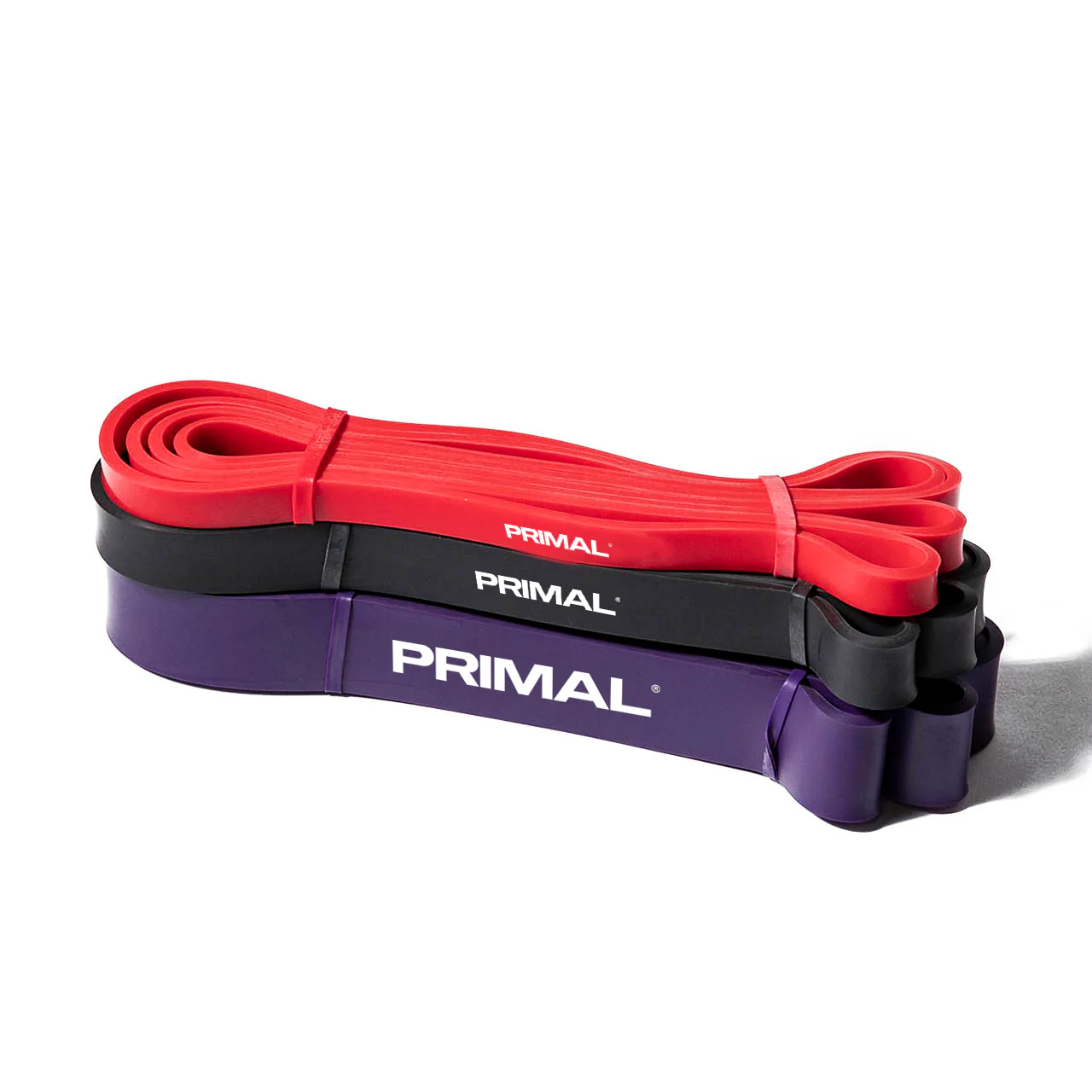
They are a game-changer because they directly target and activate fast-twitch muscle fibers in your hamstrings, quadriceps, glutes, and core. These are the muscles responsible for those rapid, explosive movements critical for speed. By forcing these fibers to fire more intensely and frequently, speed resistance bands significantly enhance your body’s ability to generate force quickly, leading to improved acceleration and overall athletic performance. Their portability, affordability, and joint-friendly nature also make them incredibly popular, offering a gym’s worth of training potential in a small, convenient package.
Choosing Your Arsenal: Types of Speed Resistance Bands
Navigating the world of resistance bands can feel a bit like picking a magic wand – you need the right one for the spell! For speed training, you’ll primarily encounter a few main types, each with its own advantages:
- Loop Bands (Power Bands): These are continuous loops, typically thicker and more durable. They are excellent for lower body exercises, particularly around the thighs or ankles, and can be anchored to stationary objects or used with a partner for resisted sprints.
- Tube Bands with Handles: While often associated with upper body work, some longer tube bands can be anchored for resisted movements, though they might offer less stability for multi-directional speed drills compared to loop bands.
- Figure-Eight Bands: These are specifically designed for lateral movements, making them fantastic for improving agility and side-to-side quickness by placing them around your ankles or knees.
When selecting your speed resistance bands, the resistance level is paramount. Bands typically come in different colors signifying varying levels of resistance, from light to heavy. For speed training, you generally want lighter bands. Why? Because the goal is to move fast against resistance, not to lift heavy. Lighter bands allow for quicker, more explosive movements while still providing enough tension to challenge your fast-twitch fibers. As you progress, you can gradually move to higher resistance. Finally, consider the material and durability. High-quality latex or rubber bands are essential to withstand the dynamic forces of speed training without snapping or losing elasticity.
Ignite Your Performance: Benefits of Training with Speed Resistance Bands
Incorporating speed resistance bands into your training routine isn’t just about getting faster; it’s about unlocking a cascade of athletic benefits that will translate across all your physical endeavors.
Increased Acceleration and Top Speed
The core benefit. By adding resistance to movements like sprint starts and high knees, bands compel your muscles to generate more power with each stride, building the explosive drive phase and improving your maximal velocity. When the bands are removed, your body feels lighter, allowing for faster leg turnover and increased speed.
Enhanced Explosive Power (Vertical & Horizontal)
Think about jumping higher or pushing off powerfully. Speed resistance bands are excellent for plyometric exercises like broad jumps and vertical jumps, forcing your muscles to contract and extend with greater force, directly enhancing your explosive capabilities.
Improved Agility and Lateral Quickness
Sports rarely involve moving in a straight line. Lateral shuffles and multi-directional drills with bands improve your ability to change direction rapidly, react swiftly, and maintain balance during quick cuts and pivots.
Better Balance, Stabilization, and Core Control
Working against external resistance naturally challenges your body’s stabilizing muscles and core. This leads to improved proprioception and greater control over your movements, which is crucial for efficient and injury-free high-speed actions.
Boosted Reaction Time and Neuromuscular Coordination
Bands help refine the communication between your brain and muscles. By constantly engaging your muscles through varying tension, they improve neuromuscular coordination, leading to faster reaction times and more fluid, efficient movements.
Injury Prevention and Rehabilitation Support
Because they offer a joint-friendly form of resistance compared to heavy weights, speed resistance bands are excellent for strengthening supporting muscles, improving mobility, and can even be integrated into rehabilitation programs to aid recovery and prevent future injuries.
Master Your Movement: Effective Speed Resistance Band Exercises
Ready to put these bands to work? Here are some top-tier exercises designed to supercharge your speed and agility, targeting the key muscle groups for explosive athletic performance. Remember, quality of movement over sheer resistance is key here.
Partner-Resisted Sprints / Resisted Sprint Starts
This is fantastic for building explosive acceleration. Loop a strong resistance band around your waist, with a partner holding the other end securely behind you (or anchor it to an immovable object). From an athletic sprint stance, drive forward explosively for 10-20 yards against the resistance. Focus on powerful knee drive and arm pump. Repeat for 4-6 reps with adequate rest.
Lateral Band Shuffles / Walks
To boost your side-to-side quickness, place a mini-loop band around your ankles or just above your knees. Get into an athletic, slightly crouched stance and shuffle quickly to one side for 10-15 yards, then reverse. Keep your core engaged and maintain tension on the band throughout. Perform 3-4 sets in each direction.
Banded High Knees
Sharpen your leg turnover rate and stride frequency. Place a light band around your thighs or ankles. Drive your knees up fast and high in place or moving forward slightly, mimicking a sprinting motion. Maintain an upright posture and powerful arm pump. Do 3 sets of 20-30 seconds bursts.
Resisted Broad Jumps / Band-Assisted Jump Squats
For incredible vertical and horizontal power, anchor a band behind you at hip height, looping it around your waist. Perform broad jumps, exploding forward as far as you can against the band’s pull. Alternatively, for jump squats, anchor a band below you and hold the handles, allowing the band to assist the upward phase of your jump, promoting higher jumps and explosive power. Aim for 3-4 sets of 6-8 explosive repetitions.
Banded Glute Kickbacks
Your glutes and hamstrings are the powerhouse of your sprint. Loop a mini band around your ankles. From a standing or hands-and-knees position, kick one leg straight back against the band’s resistance, squeezing your glute at the top. This fires up your posterior chain, crucial for powerful strides. Complete 3 sets of 10-15 reps per leg.
“Speed training with resistance bands is a game-changer because it allows athletes to train specificity – developing power and quickness in movement patterns that mimic their sport,” says Dr. Emily Parker, a sports performance specialist. “The ability to challenge muscles through constant tension, both concentrically and eccentrically, builds resilient, explosive athletes.”
Smart Training: Maximizing Your Workouts and Staying Injury-Free
Getting the most out of your speed resistance band training means more than just doing the exercises. It’s about smart application and listening to your body.
Proper Form is King
Always prioritize correct technique over heavy resistance. Moving sloppily against a band won’t build speed; it will build bad habits and potentially lead to injury. Start with lighter bands to master the movement patterns, then gradually increase resistance.
Warm-up and Cool-down
Just like any other workout, prepare your body with a dynamic warm-up to activate muscles and improve blood flow. Finish with a proper cool-down and stretching to aid recovery and maintain flexibility.
Progressive Overload
Don’t get stuck doing the same thing. Once an exercise feels too easy, increase the resistance level, add more repetitions or sets, or decrease rest time. Variety is also key to continually challenging your muscles.
The “Bands On, Bands Off” Principle
A highly effective technique is post-activation potentiation (PAP). Perform a set of drills with the resistance bands, then immediately follow it with a set of the same drills without the bands. You’ll notice a remarkable feeling of lightness and quickness, allowing your body to move faster and reinforce the desired neural pathways for speed.
Listen to Your Body
While bands are joint-friendly, intense speed training can still be demanding. Pay attention to any pain or excessive fatigue. Rest and recovery are as vital as the training itself.
Integrating Bands into Your Daily Routine
The beauty of speed resistance bands lies in their adaptability. You don’t need dedicated “band days.” They can be seamlessly integrated into your existing training schedule.
- Warm-up Amplifier: Use light bands for dynamic stretches or activation drills before your main workout to prime your fast-twitch muscles.
- Workout Enhancer: Incorporate 2-3 band drills into your strength or conditioning sessions. For instance, add resisted sprints after a leg day, or lateral shuffles before agility drills.
- Active Recovery: Lighter bands can be used for low-impact movements to promote blood flow and aid recovery on off-days.
- Travel Companion: Their portability means you can take your speed training anywhere – the gym, the park, or even on vacation – ensuring consistency in your pursuit of quickness.
A sample integration might look like this: On a sprint day, after your general warm-up, begin with 2-3 sets of Partner-Resisted Sprints, followed immediately by 2-3 sets of unresisted sprints. Then, move onto your regular sprint workout, perhaps integrating Banded High Knees into your drills.
Frequently Asked Questions (FAQ)
Are speed resistance bands only for elite athletes?
Absolutely not! While professional athletes widely use them, speed resistance bands are highly beneficial for anyone looking to improve their athletic performance, from aspiring young athletes to adults seeking to maintain agility and explosive power as they age.
How often should I use speed resistance bands?
Beginners can start by incorporating 1-2 band-specific drills into their routine two to three times per week. As your body adapts, you can gradually increase the frequency or intensity, ensuring adequate rest between sessions.
What resistance level should I start with?
It’s always best to start with a lighter resistance band. The goal is to move quickly and explosively, not to struggle against overwhelming force. As your speed and power improve, you can progress to a band with slightly higher resistance.
Can speed resistance bands help with injury recovery?
Yes, they can! Because they provide controlled, progressive resistance with less impact on joints compared to weights, they are often used in physical therapy for rehabilitation, helping to rebuild strength and stability in injured areas, and preventing future injuries.
What’s the difference between speed bands and regular resistance bands?
While all speed bands are resistance bands, “speed bands” typically refer to those specifically designed and used for dynamic, explosive movements to enhance quickness and power. They often come in forms like loop bands that facilitate resisted sprints, jumps, and agility drills, focusing on muscle activation for rapid force production rather than just general strength or muscle hypertrophy.
Unlock Your Potential: The Enduring Impact of Speed Resistance Bands
Speed resistance bands are more than just a passing fitness trend; they are a scientifically-backed tool for enhancing one of the most fundamental aspects of human movement: speed. By strategically adding tension, they teach your body to generate power faster, move with greater agility, and build resilient, explosive muscles. Whether your goal is to shave seconds off your sprint time, dominate on the sports field, or simply feel more vibrant and agile in daily life, incorporating speed resistance bands into your regimen can unlock an entirely new level of athletic potential. So, grab a band, commit to the process, and get ready to experience the incredible feeling of pure, unadulterated speed!