Are you on the hunt for a game-changer in your fitness routine? Something that offers powerful results, incredible versatility, and fits right into your busy life? Look no further than Wide Resistance Bands. These unassuming yet incredibly effective tools are revolutionizing how people approach strength training, mobility, and injury prevention, making them a staple for everyone from beginners to seasoned athletes. Whether you’re sculpting your glutes, strengthening your core, or rehabilitating an injury, wide resistance bands provide a dynamic challenge that free weights often can’t match.
What Are Wide Resistance Bands and Why the Buzz?
At its core, a resistance band is an elastic strap designed to provide tension for muscle engagement. But when we talk about wide resistance bands, we’re often referring to a specific category that offers unique advantages. Think of the robust, non-slip fabric loops commonly seen enhancing lower-body workouts, or the broader, flat elastic bands used for full-body training and physical therapy. These bands stand out due to their increased surface area, which translates to better stability, reduced discomfort, and a more even distribution of resistance compared to their narrower counterparts.
Why are they creating such a stir? Simply put, they make workouts more effective and accessible. Unlike traditional weights that rely solely on gravity, wide resistance bands provide continuous tension throughout an entire movement, forcing your muscles to work harder from start to finish. This leads to superior muscle activation, especially in tricky areas like the glutes and hips. Plus, their portability means you can transform any space into a personal gym, making excuses a thing of the past.
Types of Wide Resistance Bands and How to Pick Your Perfect Match
Navigating the world of resistance bands can feel a bit overwhelming with all the options out there. However, understanding the main types of wide resistance bands will help you choose exactly what you need for your fitness journey.
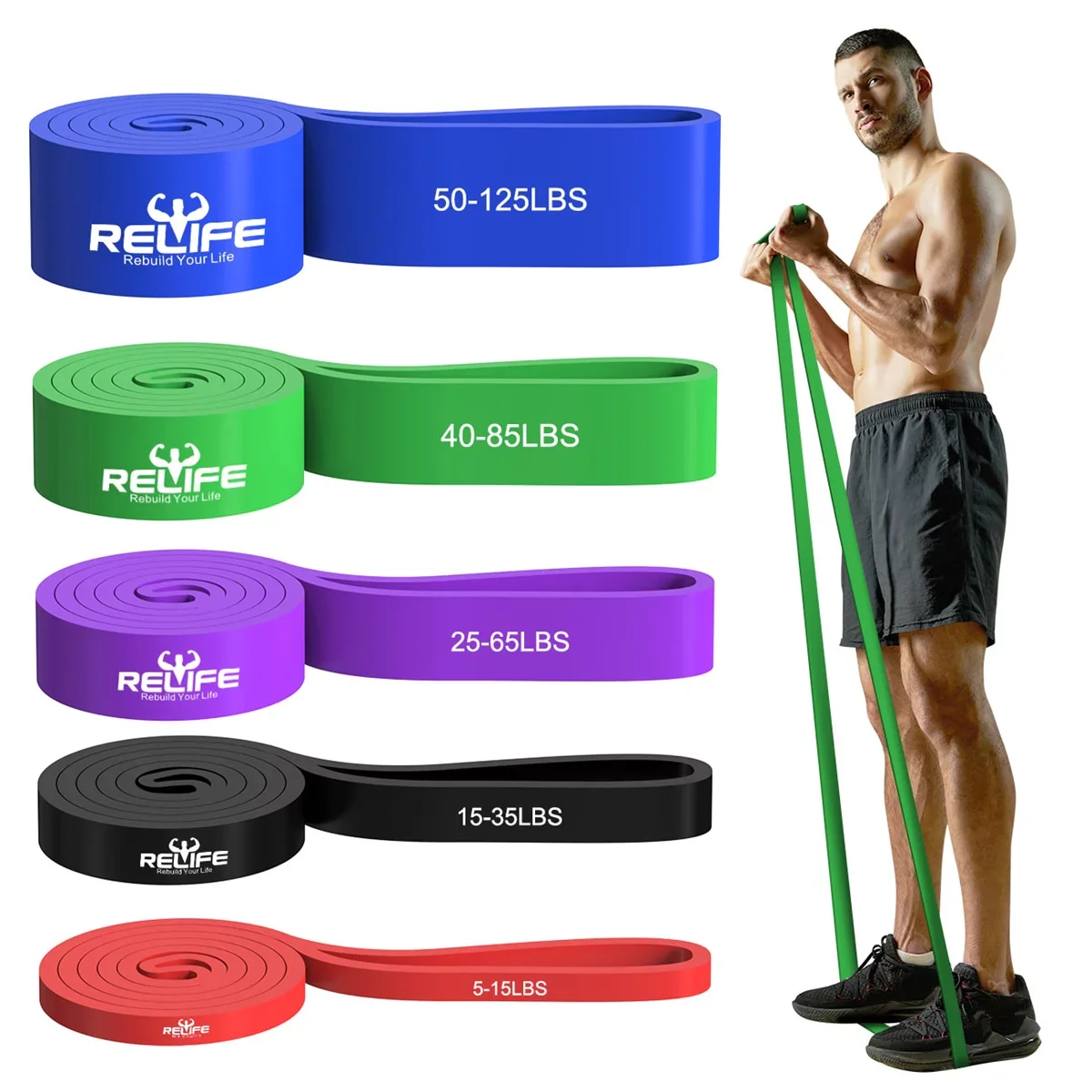
Common Types of Wide Resistance Bands
- Short Loop Bands (Fabric or Latex): These are the stars of lower body workouts, often called “booty bands” or “glute bands.” Fabric versions are particularly popular for their non-slip grip and comfort against the skin, making them ideal for exercises around the thighs or ankles. Latex short loop bands offer more stretch and are excellent for a broader range of movements, though some users might find them prone to rolling.
- Long Loop Bands (Power Bands): These are typically wider, longer continuous loops of latex, ranging from light to extremely heavy resistance. They are incredibly versatile, used for assisted pull-ups, full-body resistance exercises, and adding challenge to compound lifts like squats and deadlifts. Their width provides good stability when used underfoot or wrapped around the body.
- Flat Resistance Bands (Therapy Bands): Often supplied in bulk rolls and cut to length, these wide, flat latex bands are frequently utilized in physical therapy and rehabilitation. They offer a very controlled, progressive resistance, perfect for gentle stretching, mobility work, and rebuilding strength after injury.
Choosing Your Ideal Wide Resistance Band
Selecting the right band comes down to your fitness level, goals, and personal preference.
- Resistance Level: Bands are usually color-coded, with lighter colors indicating less resistance and darker colors signifying more. The thicker and wider a band, generally the more resistance it offers. It’s smart to invest in a set with varying levels (light, medium, heavy) to allow for progressive overload and to target different muscle groups effectively.
- Material:
- Fabric Bands: Excellent for lower body workouts, as they resist rolling, pinching, and slipping, providing superior comfort and stability.
- Latex/Rubber Bands: Offer greater elasticity, making them versatile for both upper and lower body exercises, and movements requiring a longer stretch. Be mindful of potential latex allergies.
- Width and Length: While the keyword focuses on “wide,” remember that specific widths and lengths are suited for different exercises. Short, wide loops are perfect for glute isolation, while longer, wide loops are better for assisted bodyweight exercises or anchoring for rows and presses.
When you’re ready to buy, always prioritize quality. Look for reputable brands with good reviews. A durable wide resistance band will withstand intense workouts and provide consistent tension, ensuring your investment pays off in long-term fitness gains.
Effective Exercises with Wide Resistance Bands for Every Muscle Group
The beauty of wide resistance bands lies in their ability to make virtually any exercise more challenging or accessible, depending on how you use them. Let’s dive into some powerhouse moves.
Lower Body & Glutes
When it comes to sculpting a strong lower body, wide resistance bands are unmatched for glute activation.
- Banded Glute Bridges: Lie on your back, knees bent, feet flat. Place a wide resistance band just above your knees. As you lift your hips towards the ceiling, actively push your knees outward against the band, squeezing your glutes at the top. This targets your gluteus medius and maximus with incredible intensity.
- Lateral Band Walks: Stand with the band around your ankles or just above your knees, feet hip-width apart. Sink into a slight squat and take small, controlled steps sideways, keeping tension on the band. This is fantastic for hip abductors.
- Banded Squats: Loop a wide resistance band above your knees. As you squat down, actively push your knees out, ensuring they track over your toes. This engages your glutes and outer thighs, improving form and depth.
- Clam Shells: Lie on your side with knees bent and stacked, feet together. Place the band just above your knees. Keeping your feet together, lift your top knee towards the ceiling like a clam opening. This move is a targeted attack on your gluteus medius.
Upper Body & Core
Don’t underestimate wide resistance bands for your upper body and core; their versatility extends far beyond leg day.
- Band Pull-Aparts: Hold a wide resistance band with both hands, arms extended in front of you at shoulder height. Keeping your arms straight, pull the band apart, squeezing your shoulder blades together. This is excellent for upper back and shoulder health.
- Banded Push-Ups: Wrap a long, wide resistance band across your upper back and loop the ends under your hands. As you push up, the band provides added resistance, making a classic push-up significantly harder.
- Kneeling Lat Pulldowns: Anchor a long wide resistance band overhead (e.g., around a sturdy pole or door anchor). Kneel down, hold the band with both hands, and pull it down towards your chest, squeezing your lats.
- Banded Bicep Curls: Stand on the middle of a long wide resistance band, holding one end in each hand. Keep your elbows tucked in and curl your hands up towards your shoulders, contracting your biceps.
- Pallof Press: Attach a long wide resistance band to an anchor point at chest height. Stand perpendicular to the anchor, holding the band with both hands at your chest. Press the band straight out in front of you, resisting the rotational pull of the band. This is a phenomenal core stability exercise.
Maximizing Your Wide Resistance Band Workouts and Staying Injury-Free
To truly harness the power of wide resistance bands, it’s crucial to focus on smart training principles and injury prevention.
Prioritize Proper Form
- Quality over Quantity: Always choose a band that allows you to maintain excellent form throughout the entire range of motion. Using too much resistance can lead to compensatory movements and increase injury risk.
- Controlled Movements: Resistance bands offer continuous tension, so don’t rush your reps. Control both the eccentric (lowering) and concentric (lifting) phases of each exercise to maximize muscle engagement.
Progressive Overload
Just like with weights, your muscles need to be consistently challenged to grow stronger. With wide resistance bands, you can achieve progressive overload by:
- Using a band with higher resistance.
- Increasing your repetitions or sets.
- Slowing down your tempo to increase time under tension.
- Reducing rest times between sets.
Warm-Up and Cool-Down
Always begin your workout with a dynamic warm-up to prepare your muscles and joints, and end with a cool-down, incorporating stretches to improve flexibility. Wide resistance bands are excellent tools for both, aiding in muscle activation before a workout and deepening stretches afterwards.
Listen to Your Body
Pay attention to any pain or discomfort. While muscle fatigue is expected, sharp pain is a warning sign. Don’t push through it. Rest, recover, and consult a professional if pain persists.
Band Care
Regularly inspect your wide resistance bands for any nicks, tears, or signs of wear. Replace them if damaged to prevent snapping during a workout, which could lead to injury.
The Transformative Benefits of Wide Resistance Band Training
The advantages of incorporating wide resistance bands into your fitness regimen are extensive, impacting nearly every aspect of your physical well-being.
Strength & Muscle Toning
Wide resistance bands provide a unique strength curve, meaning the resistance increases as the band stretches. This constant tension keeps muscles fully engaged, promoting muscle growth (hypertrophy) and definition more efficiently than some traditional weight exercises. Dr. Evelyn Reed, a certified strength and conditioning specialist, often says, “Wide resistance bands challenge muscles through their entire range of motion, ensuring no part of the movement is ‘easy’ and maximizing strength gains.” This makes them highly effective for toning and building lean muscle mass.
Enhanced Flexibility & Mobility
The controlled tension offered by wide resistance bands is ideal for improving flexibility and joint mobility. They can assist in dynamic stretching, helping you achieve a deeper stretch and increase your range of motion without overstretching or injury. This is particularly beneficial for athletes and individuals looking to enhance their overall movement quality.
Injury Prevention & Rehabilitation
Often used in physical therapy, wide resistance bands are excellent for rehabilitation and pre-habilitation. They allow for low-impact, controlled movements that strengthen stabilizing muscles around joints, aiding in recovery from injuries like rotator cuff issues or knee problems. By gradually increasing resistance, you can safely rebuild strength and prevent future injuries.
Functional Fitness & Everyday Strength
Training with wide resistance bands mimics many real-life movements, enhancing your functional fitness. This means you’re not just building “gym strength” but also improving your ability to perform daily tasks with greater ease, such as lifting, pushing, pulling, and maintaining balance.
Portability & Affordability
Unlike bulky and expensive gym equipment, wide resistance bands are lightweight, compact, and highly affordable. You can easily pack them in a suitcase for travel, stash them in a drawer at home, or take them to the park, making a full-body workout possible virtually anywhere.
Seamlessly Integrating Wide Resistance Bands into Your Daily Routine
One of the greatest strengths of wide resistance bands is how effortlessly they can be woven into various aspects of your daily fitness.
As Part of Your Warm-Up
Use lighter wide resistance bands for dynamic stretches and muscle activation. A few minutes of banded lateral walks, glute bridges, or arm circles can “wake up” your muscles, improve blood flow, and prepare your body for more intense exercise, significantly reducing injury risk.
For Your Main Workout
Wide resistance bands can be the primary tool for a full-body workout, offering progressive resistance for every major muscle group. They are fantastic for adding challenge to bodyweight exercises like squats and push-ups, or for isolating specific muscles with precision.
Active Recovery and Cool-Downs
For active recovery days, light wide resistance bands can help promote blood circulation and gently move your muscles without overexertion. During your cool-down, they assist in deeper, static stretches, aiding muscle recovery and improving flexibility.
Travel and Home Workouts
Their compact nature makes them indispensable for staying consistent with your fitness goals while traveling or when gym access is limited. A small set of wide resistance bands takes up minimal space but provides a comprehensive workout solution.
Supplementing Other Equipment
Even if you primarily use free weights or machines, wide resistance bands can be integrated to add variety and new challenges. For instance, looping a band around a barbell during squats adds accommodating resistance, making the top of the lift more challenging.
Frequently Asked Questions (FAQ)
What makes wide resistance bands different from regular resistance bands?
Wide resistance bands typically refer to bands with a broader surface area, which provides increased stability and comfort during exercises, especially around the legs and hips. They often come in fabric options that prevent rolling and pinching, unlike some narrower latex bands.
Are wide resistance bands good for building muscle?
Absolutely! Wide resistance bands provide constant tension throughout the exercise movement, which can lead to higher muscle activation and stimulate muscle growth just as effectively as traditional weights, especially when paired with progressive overload.
Can I use wide resistance bands for upper body workouts?
Yes, wide resistance bands are highly versatile for upper body exercises. Longer, wide loop bands can be used for movements like band pull-aparts, kneeling lat pulldowns, banded bicep curls, and even adding resistance to push-ups.
How do I choose the right resistance level for my wide resistance band?
Resistance bands are usually color-coded to indicate their tension level (e.g., light, medium, heavy). Begin with a lighter band to master the form, then gradually increase the resistance as you get stronger. Many brands offer sets, which are ideal for catering to different exercises and muscle groups.
Are fabric wide resistance bands better than latex ones?
For lower body exercises, many people prefer fabric wide resistance bands because they are less prone to rolling, slipping, or pinching the skin, offering greater comfort and stability. Latex bands, however, often provide more stretch and are suitable for a wider range of motion exercises.
How often should I train with wide resistance bands?
For beginners, aiming for two to three full-body resistance band workouts per week on non-consecutive days is a great starting point. As you advance, you can adjust the frequency and intensity to align with your specific fitness goals.
Can wide resistance bands help with weight loss?
Yes, by effectively building muscle mass, wide resistance bands contribute to an increased metabolic rate, meaning your body burns more calories even at rest. This, combined with consistent exercise, can significantly aid in weight loss.
Embrace the Power of Wide Resistance Bands
Wide resistance bands are more than just a passing fitness trend; they are a fundamental tool that empowers you to build strength, enhance flexibility, and achieve your fitness goals with unparalleled convenience and effectiveness. From targeted glute activation to comprehensive full-body workouts, these versatile bands offer a dynamic challenge that adapts to every fitness level. So, whether you’re a seasoned gym-goer or just starting your journey, grab a set of wide resistance bands and discover a new dimension of strength and vitality. Your body will thank you!