Hey there, aspiring champions and seasoned grapplers! Are you looking for that extra edge, that secret weapon to elevate your game and truly dominate on the wrestling mat? Look no further than Wrestling Resistance Bands. These incredibly versatile tools aren’t just for casual fitness enthusiasts; they are a game-changer for wrestlers, offering a dynamic way to build strength, enhance agility, and sharpen the very skills that make you a formidable opponent. Forget bulky weights and rigid routines for a moment – resistance bands bring flexibility, portability, and targeted resistance directly to your training, wherever you are.
What Are Wrestling Resistance Bands and Why Are They So Popular?
At their core, wrestling resistance bands are elastic tools designed to create tension, challenging your muscles throughout a movement. Think of them as your portable gym, ready to amplify any exercise. Unlike traditional free weights that offer consistent resistance only against gravity, bands provide progressive resistance, meaning the tension increases as you stretch them. This unique quality is gold for wrestlers, mimicking the real-life struggles and dynamic movements you face on the mat.
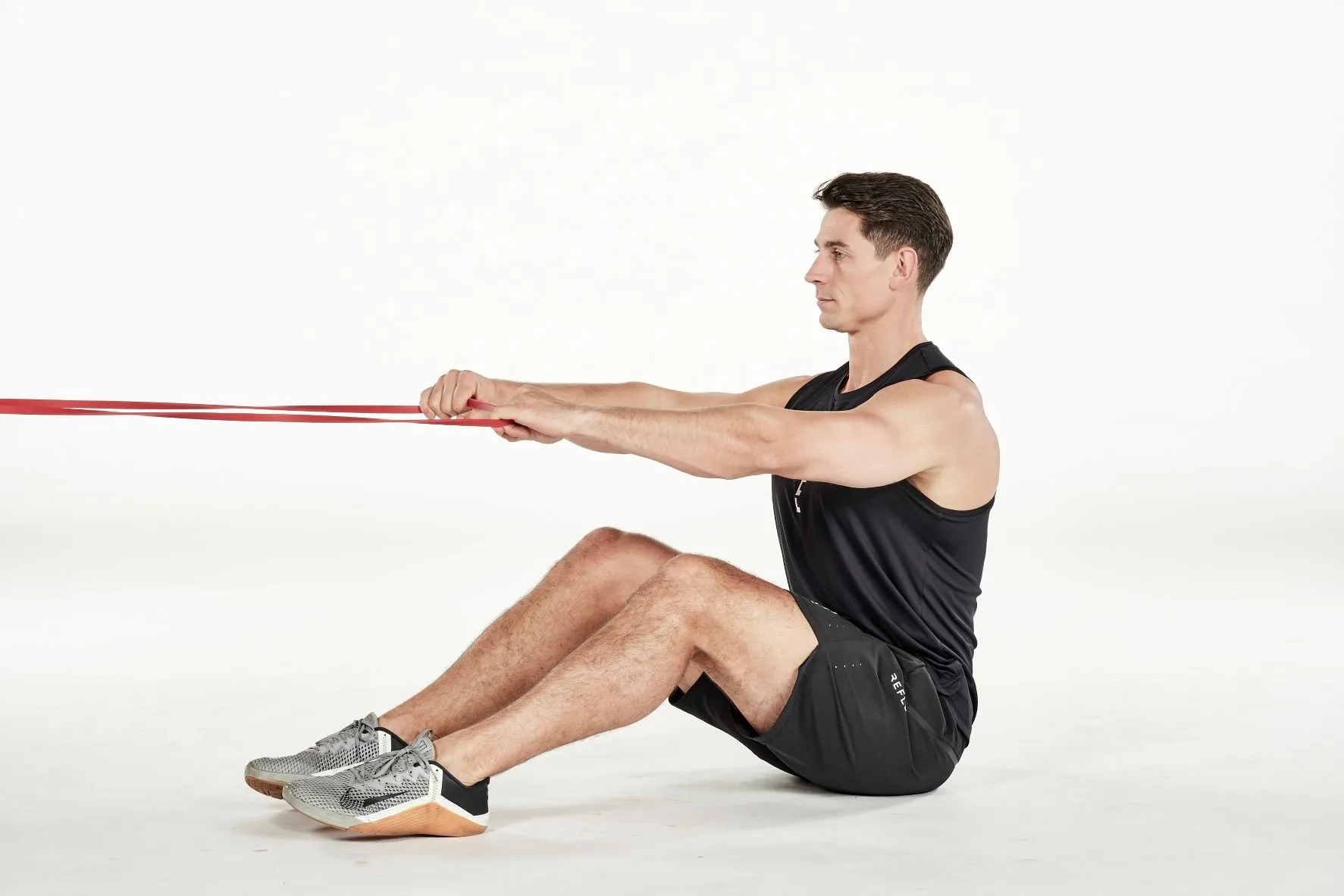
Why have these bands become such a staple in wrestling training? It boils down to a few key advantages:
- Functional Strength: They help you build strength that directly translates to wrestling actions – pulling, pushing, sprawling, and shooting.
- Portability: You can literally pack them in your gym bag and train anywhere, anytime. No more excuses for missing a workout, even on the road!
- Joint-Friendly: They offer a lower impact alternative to weights, reducing stress on your joints while still providing intense muscle engagement.
- Versatility: From warm-ups to full-blown conditioning, there’s a band exercise for nearly every aspect of your wrestling game.
Choosing Your Weapon: Types of Wrestling Resistance Bands
Stepping into the world of resistance bands can feel a bit like choosing a new pair of wrestling shoes – there are options! Understanding the different types helps you pick the right tools for your specific needs:
- Loop Bands (Power Bands): These are continuous, thick rubber loops. They’re incredibly popular for full-body exercises, pull-up assistance, and adding resistance to squats, deadlifts, and hip movements. You’ll often find them used for dynamic wrestling drills like stance work or shot acceleration.
- Tube Bands with Handles: These bands feature a rubber tube with a handle at each end, often coming with a door anchor. They are excellent for upper body exercises, simulating punches, rows, and rotational movements, providing a fantastic way to build explosive power.
- Mini Bands: Smaller, thinner loops often used for lower body activation, particularly around the knees and ankles. They’re fantastic for lateral movements, hip strength, and improving footwork.
- Figure-Eight Bands: Similar to tube bands but with a figure-eight shape, providing unique grip options for various exercises, especially for targeting specific arm and shoulder muscles.
When choosing, consider the resistance level. Bands typically come in various colors, each signifying a different tension – from light for warm-ups and speed drills to heavy for maximum strength building. Start with a lighter band to master the form, then gradually increase the resistance as you get stronger. Many wrestlers find a set of bands with varying resistance levels to be the most beneficial, allowing for progressive overload and diverse workouts.
Mastering the Mat: Effective Resistance Band Exercises for Wrestlers
Ready to put these stretchy powerhouses to work? Here’s a lineup of highly effective wrestling resistance band exercises, targeting key muscle groups and movements crucial for success.
Lower Body & Explosiveness
Explosive leg drive is non-negotiable in wrestling. These exercises will help you build that vital power:
- Band Squats: Stand on a loop band, holding the top at shoulder height. Perform squats, feeling the resistance build as you descend and explode upwards. This directly translates to powerful takedowns and defensive sprawls.
- Outside Step High Crotch: Loop a thick band around your waist and anchor it behind you. Practice your outside step high crotch drills, driving into the resistance. This trains your penetration step and the explosive finish.
- Running Down A Double: With a moderate band around your waist, anchored behind you, start on all fours. Practice your double leg penetration, driving forward into a standing finish, pushing against the band’s resistance. This refines your technique and builds endurance for repeated shots.
- Single Finisher: Kneel on one knee with a band around your waist, anchored to the side. Practice side shuffling and finishing a single leg takedown, driving through the resistance. This helps you maintain power and finish strong when deep on a shot.
Upper Body & Grappling Strength
A strong upper body is critical for controlling opponents, executing holds, and defending attacks.
- Banded Pummeling: Grip a resistance band in each hand and lean into them, as if engaged with an opponent. Practice pummeling, alternating arms or duel pummeling. This teaches you to maintain muscle tension throughout the grappling exchange and builds mat strength.
- Band Rows: Anchor a tube band to a sturdy point in front of you. Grab the handles and perform rows, focusing on squeezing your shoulder blades. Essential for pulling power in scrambles and maintaining control.
- Band Pull-Aparts: Hold a loop band with both hands, arms extended in front of you. Pull the band apart, engaging your upper back and rear shoulder muscles. Great for posture and resisting an opponent’s pull.
- Band Push-Ups: Loop a band around your upper back, holding the ends in your hands. Perform push-ups, pushing against the added resistance. Builds chest and tricep strength for powerful drives.
- Russian Curls (Banded): Tie bands around knee height, one in each hand. Pull and curl the band from your hand to the opposite shoulder in rhythm, alternating arms. This builds dynamic pulling power.
Core & Stability
A rock-solid core and unwavering stability are fundamental for balance, control, and absorbing impact.
- Stance In Motion (Banded): Loop a band around your waist, anchored. Move in your wrestling stance, changing levels and directions against the band’s resistance. This enhances your defensive and offensive footwork and balance.
- Banded Down Block: Grip a band in each hand, anchored in front of you. Alternate stepping one foot back while pulling the band down towards the ground. This improves your defensive down block and hip flexibility.
- Isometric Holds: Wrap a band around a sturdy object and hold it in a wrestling-specific position (e.g., a locked grip, a defensive stance). Hold the tension for 10-20 seconds to build static strength and endurance, critical for maintaining position.
Maximize Your Might: Tips for Optimal Training and Injury Prevention
Training with wrestling resistance bands can be incredibly effective, but a few smart practices will help you get the most out of your workouts and stay injury-free:
- Focus on Form First: Always prioritize proper technique over heavy resistance. A poorly executed exercise can lead to injury and won’t build effective strength. “Good form is your strongest defense against injury and your fastest path to progress,” advises Coach Leo ‘The Lion’ Johnson, a former collegiate wrestler and seasoned strength and conditioning coach.
- Progressive Overload is Key: Just like with weights, gradually increase the resistance or reps as you get stronger. When a band feels too easy, move to a thicker one or combine bands for more tension.
- Warm-Up and Cool-Down: Always start with a dynamic warm-up to prepare your muscles and finish with a cool-down stretch to improve flexibility and aid recovery. Bands can be excellent tools for dynamic stretching.
- Listen to Your Body: Don’t push through sharp pain. Rest when needed, and consult a professional if you experience persistent discomfort. Overtraining can be just as detrimental as undertraining.
- Visualize Success: As you perform wrestling-specific drills with bands, visualize yourself executing the moves perfectly on the mat. This mental rehearsal can significantly enhance your muscle memory and performance.
Beyond the Brawn: The Health and Fitness Benefits
The advantages of incorporating wrestling resistance bands extend far beyond immediate mat performance. They contribute significantly to your overall health and physical prowess:
- Enhanced Endurance: By challenging muscles throughout the full range of motion, bands boost both muscular and cardiovascular endurance, giving you the stamina to perform at high levels through every period of a match.
- Increased Agility and Quickness: The dynamic resistance helps develop hip and hip flexor strength, stability, and flexibility, allowing for quicker changes in direction and body position – vital for gaining an advantage.
- Improved Joint Stability and Injury Prevention: Bands engage smaller stabilizer muscles around your joints, promoting stability and reducing the risk of injuries during intense wrestling maneuvers and explosive movements.
- Better Mat Speed: The combination of quickness, power, and explosion honed with bands translates directly to faster reactions and movements on the mat, leading to more takedowns, escapes, and stronger defenses.
- Holistic Athletic Development: Integrating wrestling resistance bands into a well-rounded regimen contributes to overall body strength, agility, and a robust wrestling physique.
Weaving Bands into Your Daily Routine
One of the greatest strengths of wrestling resistance bands is their adaptability. They can seamlessly fit into almost any part of your training day:
- Dynamic Warm-ups: Use lighter bands to activate muscles and improve blood flow before practice or a match.
- Technique Drills: Incorporate bands into your drilling to add resistance and reinforce proper movement patterns for shots, sprawls, and transitions.
- Conditioning Workouts: Create high-intensity interval training (HIIT) circuits using various band exercises for a challenging full-body workout.
- Recovery and Mobility: Use bands for assisted stretching to improve flexibility and aid in muscle recovery.
- Travel Training: Because they’re so portable, bands are your perfect training partner when you’re away from the gym, ensuring you maintain strength and conditioning wherever you are. They even allow for full “match simulation” training, sharpening your technique, strength, and explosiveness.
Frequently Asked Questions About Wrestling Resistance Bands
Are wrestling resistance bands suitable for all skill levels?
Absolutely! Resistance bands come in various tension levels, making them perfect for everyone from beginners learning basic movements to advanced wrestlers looking to add intensity to their specific drills and conditioning.
How often should I train with resistance bands?
You can integrate resistance band workouts 2-4 times per week, depending on your overall training schedule and recovery needs. They can be used daily for warm-ups or specific skill work, and less frequently for heavier strength sessions.
Can resistance bands replace weight training for wrestling?
While resistance bands are incredibly effective and offer unique benefits, they are generally best used as a supplement to a comprehensive wrestling strength and conditioning program. They excel at functional strength, speed, and endurance, but combining them with traditional weight training often yields the most balanced results.
What’s the best type of resistance band for wrestling?
For wrestling, a combination of loop bands (for lower body and dynamic movements) and tube bands with handles (for upper body pulling/pushing and rotational power) is often ideal. Mini bands are also excellent for hip and ankle activation.
How do I avoid injury when using resistance bands?
Focus on proper form, choose an appropriate resistance level, perform controlled movements, and ensure your bands are in good condition (check for tears or damage). Always warm up adequately and listen to your body.
Can kids use wrestling resistance bands?
Yes, resistance bands can be safe and beneficial for children when used under proper supervision and with appropriate, light resistance levels. They are excellent for developing body awareness, coordination, and fundamental movement skills without heavy impact.
Take Your Wrestling to the Next Level
There you have it. Wrestling resistance bands are more than just elastic strips; they are a dynamic, portable, and incredibly effective tool that can transform your training and elevate your performance on the mat. By understanding their benefits, choosing the right types, and incorporating targeted exercises, you can build explosive power, enhance your agility, strengthen your core, and boost your endurance – all crucial elements for a dominant wrestler. So, grab a band, commit to the work, and get ready to feel the difference. Your opponents won’t know what hit them! Now, go unleash your full potential and make “Sức Mạnh Bền Bỉ” proud!